
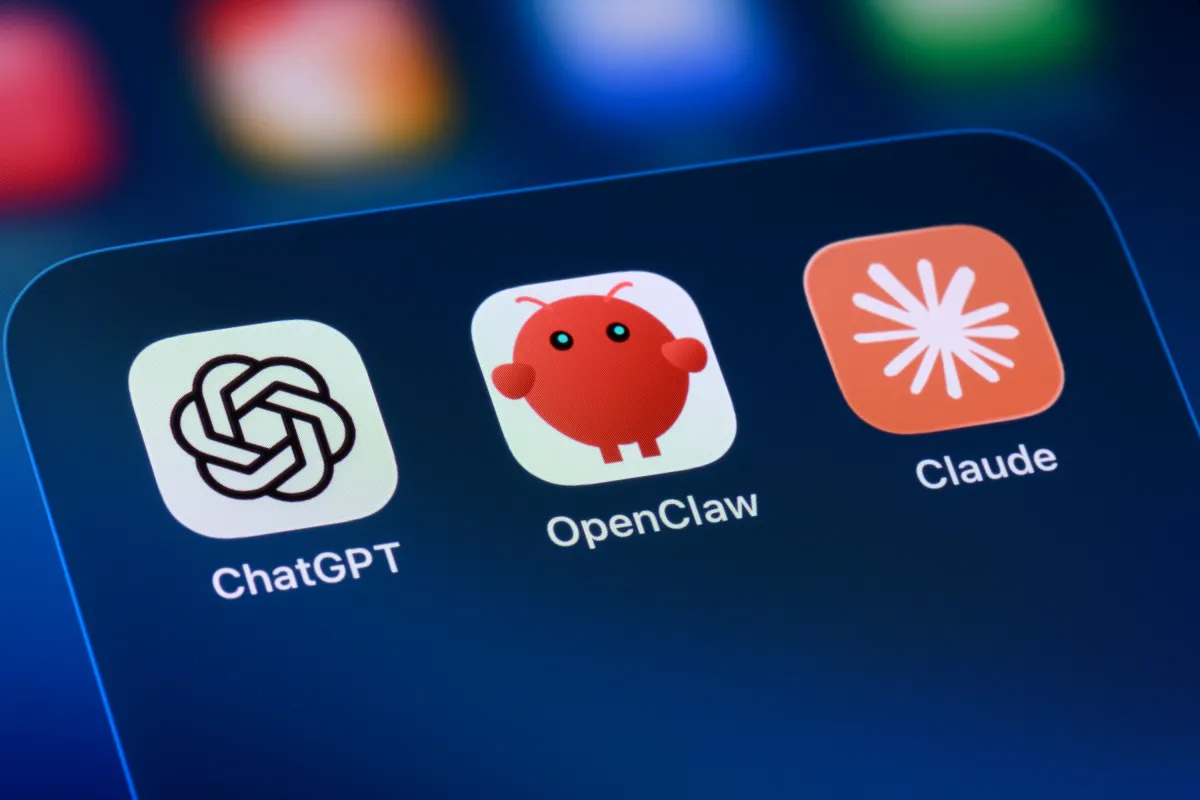
A dramatic Friday morning unfolded for Peter Steinberger, creator of the OpenClaw open-source AI harness, when his Anthropic account was abruptly suspended. The ban, swiftly reversed after a viral X post and intervention from an Anthropic engineer, highlights escalating tensions between AI model providers and third-party tooling. This incident follows Anthropic’s recent policy change, effectively imposing a “claw tax” on OpenClaw users, sparking debate about open-source integration, competitive practices, and the future of AI development.
Key Takeaways
- Account Suspension & Swift Reversal:OpenClaw creator Peter Steinberger’s Anthropic account was suspended for “suspicious activity,” then quickly reinstated after his post went viral and an Anthropic engineer offered assistance, raising questions about the initial cause and resolution.
- The “Claw Tax” Controversy:Anthropic recently changed its pricing model, requiring OpenClaw users to pay separately via API for consumption, effectively ending subscription coverage for third-party harnesses. Steinberger views this as a move against open source, coinciding with Anthropic’s own agent advancements.
- Deepening Industry Rivalries:The incident underscores the intense competition between AI giants like Anthropic and OpenAI (Steinberger’s employer), with Steinberger’s past comments about “legal threats” from Anthropic adding a layer of historical friction to the ongoing debate over open vs. closed ecosystems.
The OpenClaw Saga: A Developer’s Frustration Amidst AI Ecosystem Tensions
The rapidly evolving world of artificial intelligence is often a battleground not just for technological supremacy, but also for developer loyalty and ecosystem control. This tension erupted into public view early Friday morning when Peter Steinberger, the highly respected creator of the open-source AI agent harness OpenClaw, found his Anthropic account suspended. His candid post on X (formerly Twitter), detailing a message from Anthropic citing “suspicious activity,” quickly went viral, igniting a firestorm of discussion across the tech community.
The immediate drama, however, was short-lived. Just hours after his initial alarm, Steinberger confirmed that his account had been reinstated. Amidst a flurry of comments – many venturing into speculative territory, especially given Steinberger’s current employment with OpenAI, a direct competitor to Anthropic – an Anthropic engineer personally reached out. The engineer assured Steinberger that Anthropic had no policy against OpenClaw usage and offered direct assistance. While it remains unclear if this direct intervention was the sole catalyst for the reinstatement, the entire exchange offered a revealing glimpse into the complex dynamics at play in the AI landscape.
The Precursor: Anthropic’s “Claw Tax” and Developer Discontent
This Friday’s suspension drama was not an isolated event but rather the latest installment in a burgeoning conflict. Just a week prior, Anthropic announced a significant policy shift: subscriptions to its Claude AI model would no longer cover usage through “third-party harnesses, including OpenClaw.” Instead, users of such tools would now be required to pay for their consumption separately, directly through Claude’s API.
This change, effectively a “claw tax,” sparked considerable developer frustration. Anthropic justified the move by stating that its subscription model was not designed to accommodate the unique “usage patterns” of agent harnesses. These tools, often more sophisticated than simple prompts or scripts, can be significantly more compute-intensive. They might involve continuous reasoning loops, automatically retry failed tasks, and integrate with a multitude of other third-party services, leading to higher, less predictable resource consumption.
However, Steinberger was quick to challenge Anthropic’s explanation. He publicly accused the company of a strategic maneuver, posting, “Funny how timings match up, first they copy some popular features into their closed harness, then they lock out open source.” While he didn’t explicitly name features, the implication was clear: Anthropic, which offers its own proprietary agent, Cowork, had recently rolled out capabilities like Claude Dispatch. This feature, enabling remote control and task assignment for agents, appeared just weeks before Anthropic revised its OpenClaw pricing policy, fueling Steinberger’s suspicion that the “claw tax” was less about technical necessity and more about competitive strategy, potentially stifling open-source alternatives while promoting its own.
A History of Friction: OpenAI, Anthropic, and the Developer’s Dilemma
The recent incident also brought long-simmering tensions between major AI players to the forefront. Peter Steinberger’s current role as an employee of OpenAI, a direct and fierce competitor to Anthropic, added a layer of intrigue to the suspension. When a commenter on X implied his choice to join OpenAI was a misstep, Steinberger’s terse reply spoke volumes: “One welcomed me, one sent legal threats.” This stark revelation underscored a history of friction between Steinberger and Anthropic, painting a picture of a relationship that has been anything but smooth.
The question naturally arose: why would an OpenAI employee still be actively using and testing a rival model like Claude? Steinberger clarified his dual commitments. He explained that his work with the OpenClaw Foundation is distinct from his role at OpenAI. The foundation’s mission is to ensure OpenClaw functions seamlessly across *any* model provider, necessitating continuous testing with various LLMs, including Claude. His job at OpenAI, conversely, focuses on contributing to their “future product strategy,” suggesting a role in shaping how OpenAI’s own models and tools evolve.
The continued need to test with Claude also highlights a crucial point: despite the rise of ChatGPT and other models, Claude remains a popular choice among OpenClaw users. This user preference creates a compelling reason for Steinberger to maintain compatibility, even as Anthropic introduces new barriers. His cryptic response “Working on that” to comments about Claude’s popularity after the pricing changes offers a subtle clue about his potential work at OpenAI – perhaps developing or enhancing alternatives that could eventually draw OpenClaw users to OpenAI’s ecosystem.
Navigating the Open-Source vs. Proprietary Divide
This entire saga illuminates a critical challenge facing the AI industry: the delicate balance between fostering an open-source developer ecosystem and protecting proprietary business models. Developers like Steinberger, who build foundational, open-source tools, are often at the mercy of the underlying model providers. When those providers, in pursuit of their own strategic goals, alter access, pricing, or even integrate similar features into their own closed offerings, it can significantly impact the viability and growth of independent projects.
The “claw tax” and the suspension incident serve as a stark reminder of the potential vulnerabilities of building on top of closed platforms. While model providers have legitimate reasons to manage resource consumption and monetize advanced usage, the perception of anti-competitive practices or sudden policy shifts can erode developer trust and push the community towards more open, transparent, or even self-hosted alternatives. The future of AI innovation will heavily depend on how these tensions are managed, and whether platform providers can foster a symbiotic relationship with the open-source community rather than viewing it as a competitive threat.
The Unanswered Questions
Despite the swift resolution of the account suspension, several questions linger. Anthropic has yet to offer a public, comprehensive explanation for the initial “suspicious activity” flag, leaving room for speculation about whether it was a genuine technical error, an automated system misfire, or something else entirely. Furthermore, the long-term implications of the “claw tax” on OpenClaw’s user base and Steinberger’s ongoing commitment to Claude compatibility remain to be seen. As the AI arms race continues, incidents like these will likely become more common, testing the resilience of the developer community and the strategic acumen of the industry’s leading players.
The Bottom Line
Peter Steinberger’s brief Anthropic account suspension, followed by a quick reinstatement and an engineer’s intervention, underscored the volatile intersection of open-source development, fierce AI competition, and evolving monetization strategies. Anthropic’s “claw tax” and Steinberger’s pointed comments about past “legal threats” reveal deep-seated industry rivalries, while his dual role at OpenAI and commitment to OpenClaw highlight the complex loyalties of developers navigating a rapidly consolidating AI landscape. This saga serves as a potent reminder that the future of AI innovation will be shaped not just by technological breakthroughs, but also by the policies, partnerships, and power dynamics between foundational model providers and the critical open-source tooling built upon them.
{content}
Source:{feed_title}