
Adaptation to Conflict: Life and Innovation in Ukraine
In Kyiv, daily life has integrated the reality of ongoing conflict, with residents accustomed to the frequent sound of air raid alarms. Observations from the capital last month highlighted a routine where sirens could sound multiple times a day. In response to this persistent threat, some businesses, including restaurants, have adapted by establishing operations underground, allowing patrons to continue activities without the immediate need to seek shelter during alerts. This adaptation represents a significant shift from typical civilian life, reflecting a ‘new normal’ for many Ukrainians.
Closer to the front lines, the pace and nature of this adaptation become even more pronounced. Analysis of operations near combat zones reveals a dynamic environment characterized by rapid technological innovation. For instance, visits to drone manufacturing facilities indicate that design cycles, traditionally measured in years for defense systems, are now compressed into mere days. Engineers work in direct collaboration with military personnel, enabling real-time adjustments and improvements to designs. This close feedback loop means that issues identified early in a week are often resolved before the week concludes, and production lines can swiftly reconfigure to accommodate new models. This accelerated development and deployment cycle is increasingly recognized as a core operational advantage.
This approach to innovation diverges significantly from conventional defense sector models, particularly those prevalent in many Western nations. It moves away from a linear process of extensive planning followed by lengthy delivery schedules. Instead, it is defined by continuous cycles of testing, learning from failures, incorporating immediate feedback, and iterative improvement. In this model, relatively inexpensive drones are rapidly produced, deployed, potentially lost in action, and then quickly refined and rebuilt based on battlefield experience. The use of technologies such as 3D printing facilitates rapid component changes, and software updates are deployed with high frequency. While individual advancements may appear minor, their cumulative effect over short periods contributes to substantial overall progress.
The principle that speed confers a decisive advantage is evident in various fields, including warfare. In the context of the current conflict, success increasingly favors the side that can design, manufacture, deploy, and refine its capabilities with greater agility. The pursuit of theoretical perfection is often secondary to the practical effectiveness gained through rapid iteration. Each new tool or system introduced on the battlefield frequently triggers a counter-development from the opposing side, creating a continuous cycle of action and reaction. The tempo of this cycle often determines which side gains and maintains the initiative. Historically, Europe itself demonstrated a similar rapid pace of military innovation during periods like the Middle Ages and Renaissance, where numerous small workshops constantly iterated on designs – from armor countering swords to crossbows piercing armor, and eventually firearms displacing both. Change during these eras emerged from many decentralized actors competing and adapting.
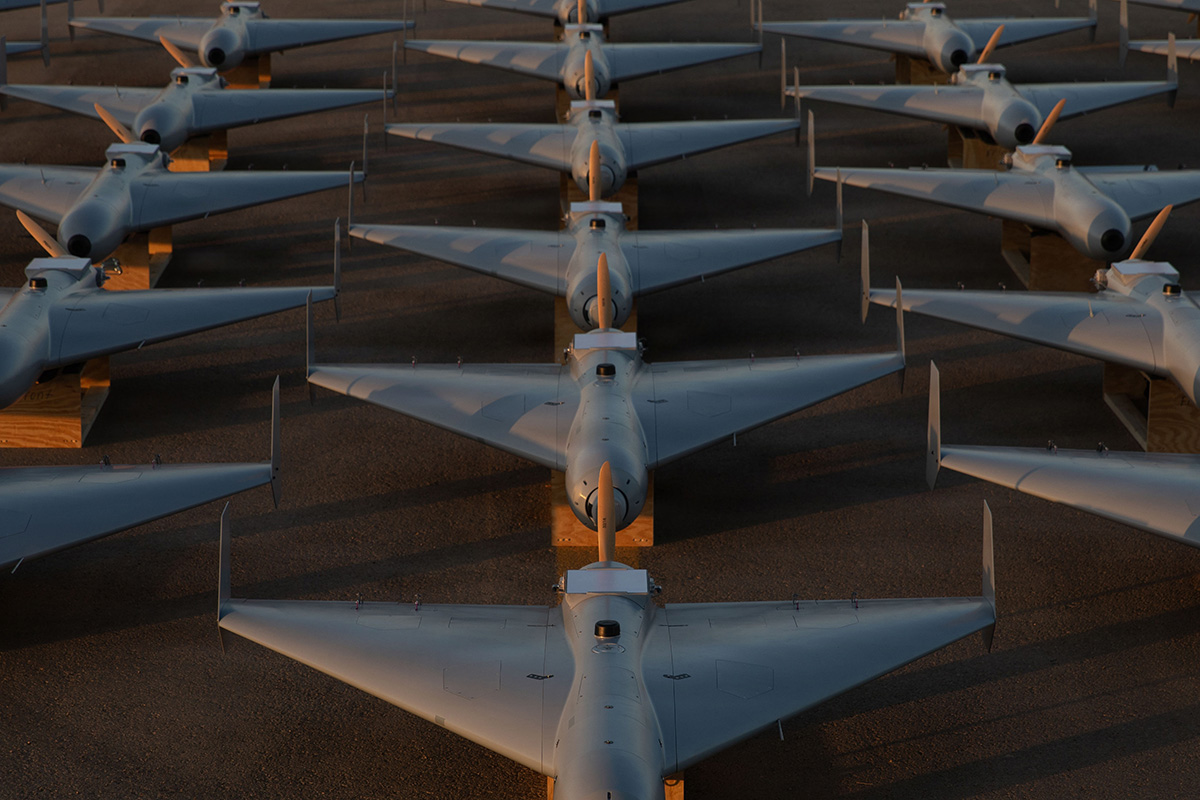
However, contemporary Western European defense procurement systems have, by many accounts, shifted away from this agile model. The current structure often favors large, established contractors capable of delivering at scale, but frequently at the expense of speed and adaptability. This mismatch is becoming increasingly apparent in modern conflict scenarios. Low-cost, iteratively developed drones, for instance, have demonstrated a significant capacity to neutralize large, expensive traditional platforms. While Russia has reportedly learned this lesson through direct experience, the adaptation within Western European defense structures has been slower. The prevailing system, while having a role for large firms, is not inherently designed for rapid, iterative innovation. Drones, now central to contemporary warfare, pose a substantial threat to the very types of large, costly military assets that many European nations continue to prioritize. The destruction of an expensive tank by a comparatively low-cost drone serves as a stark illustration of this paradigm shift.
Some observers may view this characterization of European defense culture as an oversimplification, and indeed, there are emerging indications of change within the sector. Nevertheless, it is not uncommon to hear senior figures within major defense contracting firms express skepticism or even dismiss Ukrainian war efforts as unsophisticated or crude. For example, Armin Papperger, CEO of Rheinmetall, reportedly characterized Ukrainian drone production as ‘housewives with 3-D printers in the kitchen.’ Such statements, as some critics argue, implicitly suggest that complexity and technical sophistication are inherently superior to simpler, more adaptable solutions. This perspective is challenged by the observed effectiveness of simple, adaptable, and cost-effectively produced systems, which have played a crucial role in Ukraine’s defense. Rather than adopting a condescending view, the argument is made that there are valuable lessons to be learned from Ukraine’s experiences, lessons that have been acquired at significant human cost.
The economic dimension of this evolving warfare is also critical. The deployment of a large number of low-cost drones can place immense strain on an adversary’s supplies of expensive interceptor missiles. The long-term financial sustainability of trading high-cost interceptors for cheap unmanned aerial vehicles (UAVs) is questionable, particularly for Western European countries facing existing fiscal challenges. This dynamic underscores the urgent need for a new strategic and economic approach to defense procurement, one that acknowledges public desire for efficient use of financial resources.
Returning to the Ukrainian example, the nation has effectively demonstrated a modern model for defense innovation and procurement. This model is characterized by a close integration of governmental entities, technology startups, and frontline military units. Engineers receive direct, real-time feedback from soldiers operating in the field, allowing for rapid design improvements. The system prioritizes and rewards practical effectiveness over theoretical constructs or adherence to past practices. Ultimately, only what works in combat is deemed relevant.
This pragmatic approach offers significant lessons for Europe. While the expertise of existing defense companies remains essential and there is no call to replace them, the broader procurement system must become more open and agile. New and smaller firms require more direct access to funding, contracts, and opportunities to collaborate with military forces. Procurement processes must be streamlined to become faster and more flexible. A key priority is to facilitate collaboration between European companies and Ukraine’s defense system now, enabling the testing of new systems under real-world conditions, fostering rapid iteration, and embedding a culture of continuous improvement within European defense industries.
Ukraine’s rapid adaptation was born out of necessity, leading to the establishment of an efficient feedback loop between the front lines and manufacturing capabilities. This level of systemic agility has not yet been fully replicated within Europe and NATO. Bridging this gap is seen as crucial. By enabling companies to integrate into Ukraine’s innovative defense ecosystem, Europe can accelerate its own learning curve while simultaneously strengthening Ukraine’s defensive posture. This collaborative and adaptive strategy is presented as the most effective path to developing military forces capable of responding to evolving threats and deterring potential aggression against NATO.
Why This Matters
The operational shifts observed in Ukraine carry profound implications for global security, defense strategies, and economic stability. Firstly, the rapid, iterative model of defense innovation demonstrated by Ukraine challenges conventional wisdom and established practices within major military powers. This real-world crucible of conflict is showcasing how agile development, integrating technologies like 3D printing and real-time software updates, can significantly impact battlefield outcomes. For Western nations, often characterized by lengthy and complex procurement cycles, understanding and adapting to this speed is critical for maintaining a competitive edge and ensuring the relevance of their defense capabilities in future conflicts.
Secondly, the economic consequences of this evolving warfare are substantial. The observed phenomenon of low-cost drones effectively targeting expensive military hardware highlights a potential imbalance that could strain defense budgets globally. Nations currently investing heavily in high-value, traditional platforms may find their assets vulnerable to less sophisticated, mass-produced threats. This necessitates a reevaluation of defense spending priorities, procurement strategies, and the cost-effectiveness of various military assets. For taxpayers in Western European countries already grappling with economic challenges, the demand for efficient and effective use of defense funds will become increasingly vocal.
Thirdly, the lessons from Ukraine directly impact the readiness and deterrence posture of NATO and its allies. An alliance built on collective security must ensure its members possess the most effective and adaptable forces to respond to emerging threats. If NATO members fail to integrate lessons on rapid innovation and flexible procurement, they risk developing a capability gap against potential adversaries who may embrace these agile methods. Learning from Ukraine’s experience now, through direct collaboration and integration, offers a unique opportunity for NATO to strengthen its collective defense, enhance its responsiveness, and reinforce its deterrent capabilities against any form of aggression. This is not merely about equipping for the current conflict, but about shaping the future of defense for decades to come, ensuring peace and stability through robust and adaptive security.