
Key Takeaways
- The M4 Mac mini, particularly the base model, is experiencing unprecedented shortages on Apple’s official channels, leading to significant markups on secondary markets like eBay.
- Surging demand is primarily driven by the Mac mini’s recognized efficiency and reliability for running powerful on-device AI models, including OpenClaw and its successors.
- This supply crunch, exacerbated by an industry-wide memory shortage and rumored product refreshes, has also begun to impact the availability and pricing of related Apple hardware like the Mac Studio.
The AI Effect: Mac Mini Shortages Fueling eBay Price Hikes
A perfect storm of burgeoning AI enthusiasm, supply chain pressures, and an industry-wide memory crunch has created an unexpected phenomenon: Apple’s M4 Mac mini, particularly the entry-level configurations, is virtually impossible to buy directly from the company. The resulting scarcity has transformed eBay into a bustling, often overpriced, secondary market, as consumers and developers clamor for the diminutive powerhouse now celebrated as an ideal platform for local artificial intelligence.
The Scramble for Silicon: Apple’s Inventory Dries Up
What began as a whisper has escalated into a full-blown shortage. This week, reports confirmed that the highly sought-after $599 M4 Mac mini base model, equipped with 16GB RAM and 256GB of storage, is completely sold out on Apple’s retail website. Options for direct delivery or in-store pickup have vanished, leaving prospective buyers with no immediate recourse. This isn’t just an isolated incident; the scarcity has rapidly spread to encompass other configurations of the base model, irrespective of the memory selection. For many long-time Apple watchers, this marks a rare and significant instance of the base model being entirely unavailable.
Furthermore, for those eyeing higher storage capacities—512GB and above—the news isn’t much better. Even these premium configurations are now only slated to ship starting in June, indicating a systemic challenge within Apple’s supply chain or an overwhelming surge in demand that the company simply didn’t anticipate. The swift disappearance of these machines from official channels has set the stage for a frantic search elsewhere, with predictable consequences for pricing.
eBay’s AI Gold Rush: Skyrocketing Prices and Desperate Bids
As Apple’s digital storefronts display “unavailable” notices, eBay has become the de facto marketplace for the M4 Mac mini, albeit one where patience and budget are quickly tested. The demand-supply imbalance has predictably led to substantial price inflation. Various configurations of the M4 Mac mini are now readily available on the auction and resale platform, but at prices significantly higher than Apple’s official, now inaccessible, retail figures.
As of Friday morning, a snapshot of the market revealed startling markups. The base M4 model with 16GB RAM and 256GB SSD, originally priced at $599, was routinely selling for $715-$795 for new, “open box” units. Even more astonishingly, “excellent” refurbished versions fetched prices as high as $979. “Lightly used, pre-owned” Mac minis of the same configuration were listed around $700—a premium of over $100 compared to the original price of a brand-new base model. One particularly telling listing showcased a brand-new M4 Mac mini (16GB RAM/256GB storage) for $925, adorned with a bold red warning:“Last one.”This illustrates the desperation driving buyers and the opportunistic pricing strategies of sellers.

The AI Catalyst: Why the Mac Mini is a Local AI Powerhouse
The intense demand for the M4 Mac mini isn’t merely a testament to Apple’s brand loyalty; it’s deeply rooted in the device’s newfound utility within the burgeoning field of local AI. Apple’s power-efficient Mac minis have rapidly emerged as favored tools for developers and enthusiasts keen on testing and running sophisticated, on-device AI models. This trend kicked off with the sensational “OpenClaw craze,” where users discovered the mini’s prowess in handling complex neural networks locally, bypassing the need for expensive cloud-based services.
Since OpenClaw, the Mac mini’s role has only expanded. It’s now a go-to platform for running OpenClaw alternatives like ZeroClaw, other cutting-edge AI tools from industry giants like Anthropic and OpenAI (when configured for local execution), Perplexity Computer, and a host of other specialized local models designed for specific tasks. The advantages of the Mac mini for this purpose are manifold: unlike many traditional PCs, Mac minis operate remarkably quietly, a crucial factor for 24/7 operation in home or office environments. They also boast superior reliability and longevity compared to laptop computers, making them ideal for continuous, resource-intensive AI workloads. Their optimized M4 silicon offers exceptional performance per watt, allowing users to run complex AI computations without excessive power consumption or heat generation.
A Perfect Storm of Supply Chain Stress and Speculation
The current Mac mini drought is not solely attributable to the AI boom. It’s compounded by a confluence of industry-wide factors. The tech sector is grappling with a significant memory crunch, impacting the availability and pricing of RAM components essential for machines like the Mac mini. Simultaneously, Bloomberg has reported on plans for an impending Mac mini refresh. While product refreshes are routine for Apple, they have historically not resulted in such acute and widespread shortages of existing models. This suggests that the current situation is more complex than a simple product cycle transition, perhaps indicating a miscalculation in supply forecasting or an unforeseen component bottleneck. Adding to the mystery, Apple has not yet responded to requests for comment, leaving consumers and analysts to speculate on the true extent and duration of the supply issues.
Ripple Effects and the Search for Alternatives
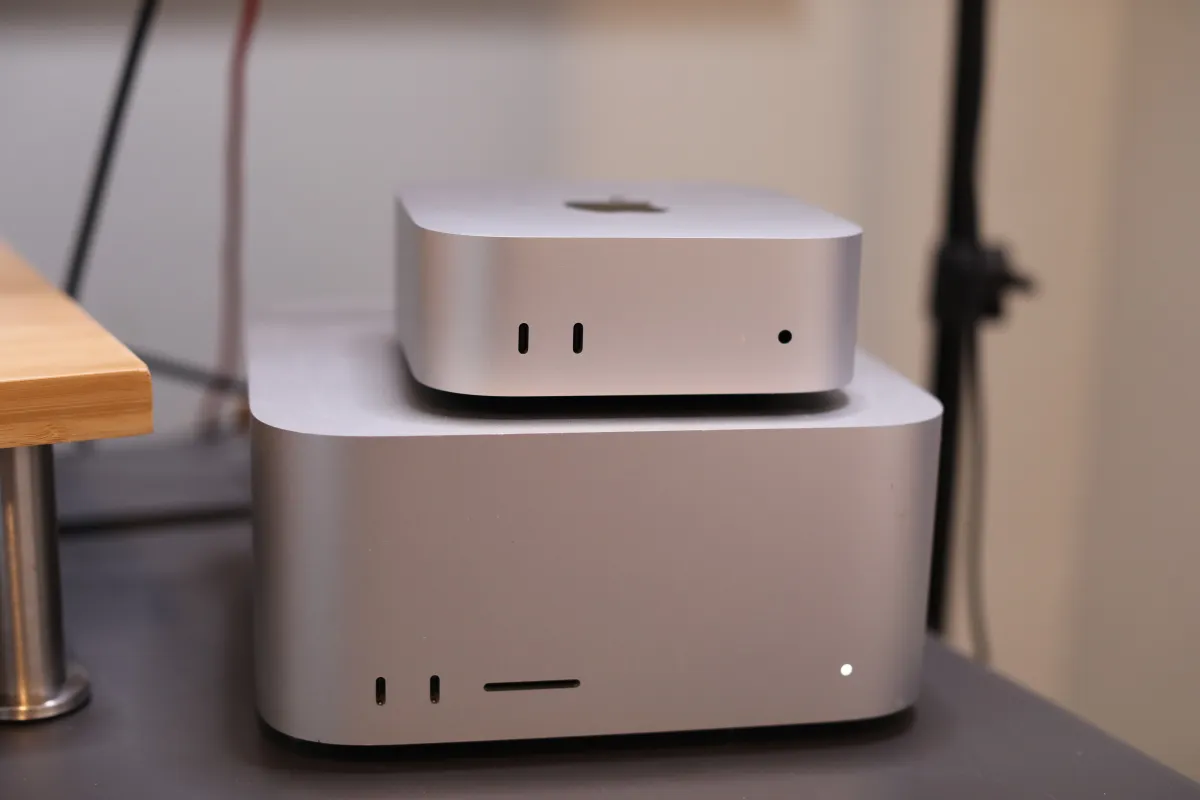
The Mac mini shortage has inevitably created ripple effects across Apple’s product ecosystem. With the mini now largely unobtainable, demand has surged for its more powerful sibling, the Mac Studio. Consequently, several configurations of the Mac Studio are also now sold out, indicating that buyers are willing to upgrade their budget significantly to secure a capable local AI machine. However, the scarcity doesn’t extend to all of Apple’s lineup. As Ars Technica shrewdly observed, users can still acquire a MacBook Pro with ample 128GB RAM and larger SSDs within a few weeks. Even the popular new MacBook Neo is shipping relatively quickly, typically within 2-3 weeks. This stark contrast strongly suggests that the core of the issue lies in a highly specific and intense consumer demand for the unique combination of power, form factor, and value offered by the Mac mini itself.
For now, securing a reasonably priced Mac mini might require diligent monitoring of refurbished marketplaces or trying one’s luck with eBay auctions that start at lower price points. However, until Apple’s supply chain can adequately refresh its inventory and meet the soaring, AI-driven demand, consumers should anticipate continued elevated prices and limited availability.
The Bottom Line
The M4 Mac mini shortage is a stark illustration of how emerging tech trends, particularly in AI, can rapidly reshape hardware demand and market dynamics. With its ideal blend of power efficiency and performance for local AI, the Mac mini has become an unexpected bottleneck, creating a seller’s market on secondary platforms and highlighting the challenges of anticipating the next big tech wave. As the AI revolution accelerates, expect similar pressures on hardware that can seamlessly bridge the gap between powerful computing and accessible, on-device intelligence.
When you purchase through links in our articles, we may earn a small commission. This doesn’t affect our editorial independence.
{content}
Source:{feed_title}