
Key Takeaways:
- **Fiscal Reclamation & Investor Confidence:** The U.S. Small Business Administration’s referral of 562,000 suspected fraudulent loans, totaling over $22.2 billion, to the Treasury for collections signals a significant federal push to reclaim taxpayer funds. This move, while politically charged, aims to restore fiscal integrity and could positively influence investor confidence in the robust oversight of future government stimulus programs.
- **Regulatory Scrutiny & Program Integrity:** The crackdown on pandemic-era Paycheck Protection Program (PPP) and COVID Economic Injury Disaster Loan (EIDL) fraud underscores a broader enhancement of regulatory scrutiny. For markets, this suggests increased due diligence for businesses interacting with federal programs and a commitment to fortifying safeguards against financial malfeasance, potentially setting a precedent for tighter controls on future government aid.
- **Economic Data & Small Business Trust:** The estimated $200 billion in total pandemic loan fraud highlights past vulnerabilities in rapid deployment of economic relief and raises questions about the integrity of economic data tied to these programs. The aggressive pursuit of accountability, spearheaded by the White House Task Force to Eliminate Fraud, is crucial for rebuilding trust among legitimate small businesses and ensuring equitable access to vital financial lifelines.
Unleash Prosperity co-founder Stephen Moore and Heritage Foundation senior economist Peter St. Onge discuss the Trump administration’s push to crack down on fraud on ‘The Bottom Line.’
FIRST ON FOX:In a move poised to reverberate through the federal government’s fiscal landscape and potentially influence market perceptions of government program integrity, the U.S. Small Business Administration (SBA) has initiated the referral of 562,000 suspected fraudulent loans, amounting to a staggering $22.2 billion, to the U.S. Department of Treasury for collections. This decisive action targets a significant portion of the pandemic-era relief funds, primarily from the Paycheck Protection Program (PPP) and the COVID Economic Injury Disaster Loan (EIDL) program, underscoring a renewed federal commitment to clawing back misallocated taxpayer dollars.
“From Day One, the Trump SBA has worked tirelessly to crack down on billions in pandemic-era fraud that the Biden Administration forgave or ignored,” SBA Administrator Kelly Loeffler told Fox News Digital in a statement. Her remarks frame the initiative within a broader political narrative, but the financial implications extend far beyond partisan lines, touching upon fiscal responsibility, investor confidence, and the future design of economic stimulus.
“After extensive review, and with the strong support of the White House Anti-Fraud Task Force, we are taking our most decisive action yet to end a Biden-era scheme that protected over 560,000 borrowers tied to more than $22 billion in suspected pandemic-era fraud,” Loeffler added. The accusation of the previous administration “shielding” borrowers adds a political dimension, but for markets, the focus remains on the tangible recovery of funds and the precedent it sets for accountability in government spending.
These loans, originally disbursed during the height of the COVID-19 pandemic to support businesses and mitigate economic fallout, were reportedly flagged for suspected fraud during the former President Joe Biden’s administration but, according to the SBA, were never sent to the Treasury for collection. The PPP and EIDL programs were critical lifelines for millions of small businesses, but the scale of the alleged fraud now casts a long shadow over their execution and highlights the inherent challenges of deploying vast sums of capital rapidly during a crisis.
FEDS MISTAKENLY GAVE AWAY $692M IN DUPLICATE PPP LOANS
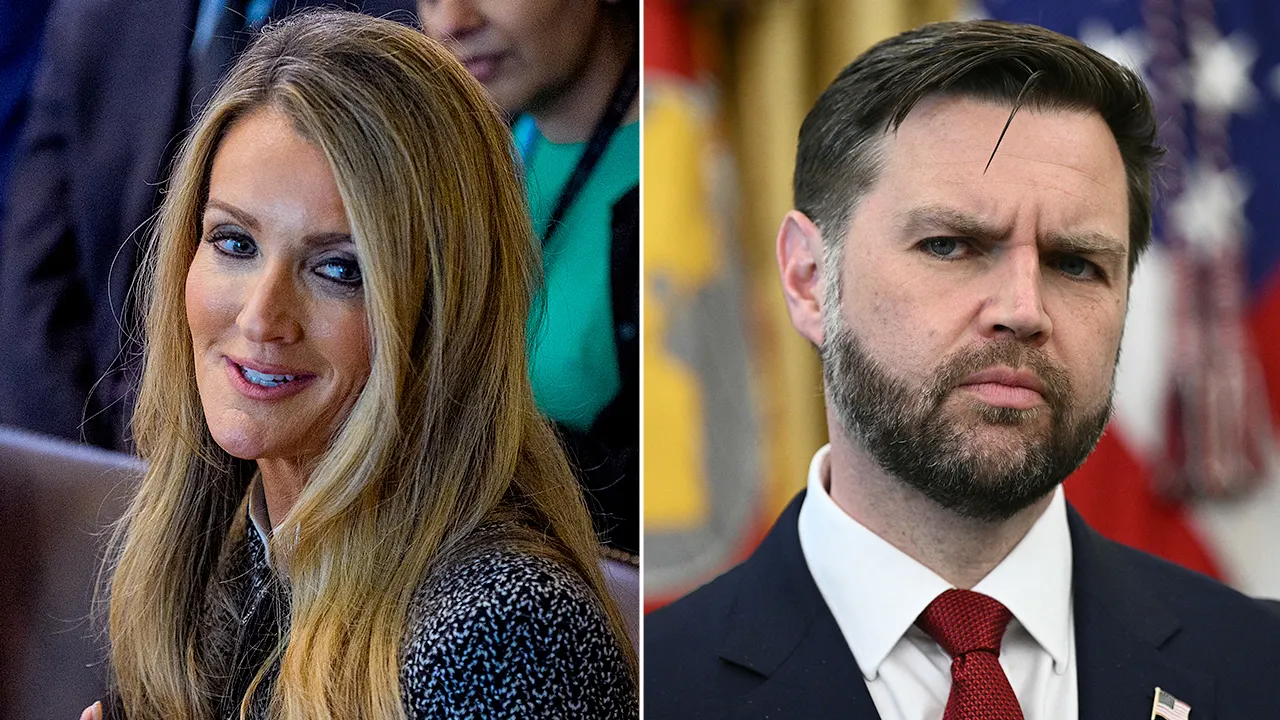
SBA Administrator Kelly Loeffler and Treasury Secretary Scott Bessent during a news conference in the James S. Brady Press Briefing Room of the White House in Washington, D.C., on Wednesday, April 15, 2026.(Shawn Thew/EPA/Bloomberg via Getty Images / Getty Images)
The SBA’s strong accusation that the former administration “deliberately protected suspected fraudsters by refusing to refer them to the Treasury” signals a significant shift in enforcement posture. From a market perspective, this change in administrative approach could signal a more stringent regulatory environment for businesses engaging with federal programs. Investors and financial institutions, particularly those involved in lending or processing government-backed loans, will likely pay closer attention to compliance and fraud prevention measures moving forward.
“For years, the Biden Administration shielded these borrowers from debt collectors as part of a de facto amnesty scheme — but today, they will finally face accountability. The SBA is deeply grateful to the U.S. Department of the Treasury for its partnership in this historic action, and we look forward to continued collaboration as we work to claw back stolen taxpayer dollars and hold fraudsters accountable,” Loeffler said. The involvement of the Treasury Department adds significant weight to the collection efforts, signaling a coordinated “whole-of-government” approach to asset recovery and legal enforcement. This collaboration could expedite the recovery process and reinforce the deterrent effect on potential future fraudsters.
In addition to referring the loans to Treasury, the SBA has also referred the borrowers to the U.S. Department of Justice. This dual referral process amplifies the severity of the action, indicating that civil debt collection will be complemented by potential criminal investigations. Such actions are critical for maintaining the integrity of the financial system and ensuring that misuse of public funds carries serious consequences, thereby bolstering public trust and potentially attracting investment by signaling a commitment to rule of law.
The SBA is legally required to refer delinquent debts to the Treasury, yet, according to the SBA announcement, none of the more than 560,000 borrowers had been compelled to repay the $22.2 billion they owed, and fewer than 1,000 were facing investigations from the SBA’s Office of Inspector General. This stark disparity underscores a perceived lapse in oversight that the current administration is now aggressively addressing. The market implications here relate to the opportunity cost of these funds – $22.2 billion could have been directed towards other critical infrastructure projects, deficit reduction, or further economic stimulus, rather than remaining uncollected due to alleged fraud.
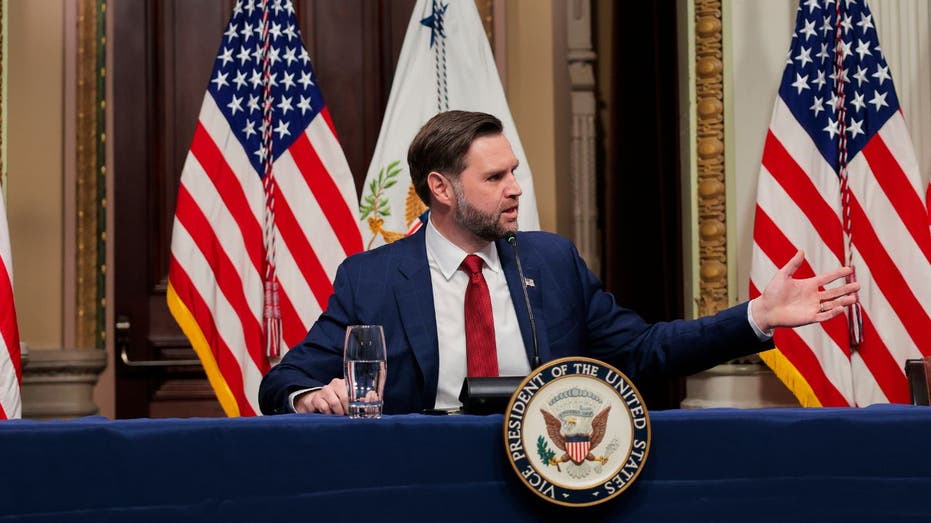
U.S. Vice President JD Vance (C) speaks during a Fraud Task Force meeting in the Indian Treaty Room at the White House on March 27, 2026, in Washington, DC. Vice President JD Vance held the Fraud Task Force Meeting with aims to reduce federal spendin(Heather Diehl/Getty Images / Getty Images)
“Over $22 billion. We mean business. If you commit fraud, we will find you,” a senior White House official told Fox News Digital. This direct warning is not just for potential fraudsters but also a message to the broader market about the government’s resolve. Enhanced enforcement could lead to a more conservative lending environment for government-backed loans in the future, as financial institutions might face greater pressure to vet applicants thoroughly.
The effort to refer the loans and seek repayment from the borrowers is being led by the White House Task Force to Eliminate Fraud, which is led by Vice President JD Vance and Federal Trade Commission Chair Andrew Ferguson. The establishment and active leadership of such a task force signals a high-level strategic priority within the administration to combat financial malfeasance, a factor that can positively influence investor sentiment by demonstrating a commitment to fiscal prudence and efficient government operations.
“Finding and going after these billions of dollars was only possible with the task force’s whole of government effort. The Vice President is proud of the several milestones the task force has already achieved, and it’s only the beginning,” a spokesperson for Vance told Fox News Digital. This “whole-of-government” approach is a significant development, indicating that various federal agencies will be pooling resources and intelligence to identify and prosecute fraud, potentially streamlining recovery efforts and increasing their effectiveness.
The sweeping fraud referrals are part of a broader anti-graft push overseen by Vance and his task force. In conjunction with the task force, the SBA is now pinpointing a wide swath of potential pandemic loan fraud. This proactive stance, moving beyond reactive investigations, suggests a more robust and institutionalized framework for fraud detection and prevention. For businesses, this translates into a heightened need for transparent and accurate reporting when engaging with government programs.
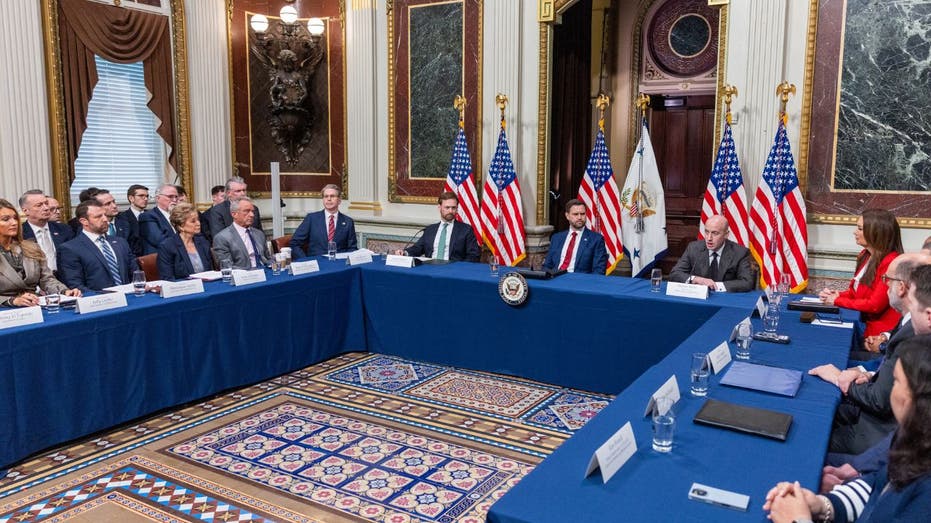
SBA Administrator Kelly Loeffler, DHS Secretary Markwayne Mullin, Education Secretary Linda McMahon, HHS Secretary Robert F. Kennedy Jr., Treasury Secretary Scott Bessent and others meet during the first meeting of Vice President JD Vance’s Task Forc(Shawn Thew/EPA/Bloomberg via Getty Images / Getty Images)
LOEFFLER TARGETS $50B SBA PROGRAM THAT HAS ‘NEVER BEEN LOOKED AT,’ BANS 112K-PLUS COVID LOAN FRAUDSTERS
“Research findings show over 1,000,000 suspicious Paycheck Protection Program (PPP) loans,” Vance wrote in a memo on the first day of his task force. The sheer volume of suspicious activity revealed here raises critical questions about the initial design and oversight of these emergency programs. For economists and policymakers, these findings necessitate a thorough review of how future large-scale government interventions are structured to balance rapid deployment with robust fraud prevention.
The administration estimates that of the $1.2 trillion in PPP and EIDL loans the SBA approved between 2020-2021, at least $200 billion is fraudulent, the agency wrote in a Friday memo. This colossal figure—nearly 17% of the total disbursed—represents a significant drain on federal resources and a profound misallocation of capital intended to support the economy during an unprecedented crisis. The recovery of even a fraction of this amount would have a material impact on the national debt and future fiscal capacity.
The SBA has launched new measures to crack down on fraud, including citizenship and birth date verification and a state-by-state investigation into fraudsters, according toan early April memo. These enhanced verification protocols are crucial for improving the integrity of federal programs and reducing future fraud risks. For businesses, this means more rigorous application processes but ultimately greater confidence in the fairness and effectiveness of government support.
The agency hasalready suspendednearly 112,000 borrowers suspected of obtaining fraudulent loans in California and Minnesota. These regional actions demonstrate the granular level at which the task force is operating, suggesting a comprehensive and data-driven approach to identifying and penalizing illicit activities.
GET FOX BUSINESS ON THE GO BY CLICKING HERE
Fox News Digital contacted the Department of the Treasury and the Federal Trade Commission for comment but did not immediately receive a response. The lack of immediate response underscores the ongoing nature and potentially sensitive coordination required for such a large-scale federal enforcement effort.
Market Impact:
The SBA’s aggressive pursuit of $22.2 billion in alleged pandemic loan fraud carries several key market implications. Firstly, it sends a strong signal to investors and businesses about the current administration’s commitment to fiscal discipline and accountability for federal spending. While the recovered sum is a fraction of the national debt, it sets a precedent for enhanced oversight, potentially boosting confidence in the long-term solvency and integrity of government programs. This could subtly influence the perception of U.S. government bond risk, albeit marginally. Secondly, the crackdown will likely lead to increased scrutiny for future government-backed lending initiatives, potentially tightening application processes and requiring more robust compliance frameworks for financial institutions involved in their administration. This could translate into higher operational costs for lenders but also reduce systemic risk from fraud. Thirdly, for the small business sector, while legitimate businesses were the intended beneficiaries of PPP and EIDL, the discovery of widespread fraud could temporarily dampen trust in such programs. However, the enforcement action aims to restore that trust by demonstrating that fraudsters will be held accountable, ensuring that future aid reaches its intended recipients more effectively. Finally, the estimated $200 billion in total fraud identified raises questions about the accuracy of economic data compiled during the pandemic, particularly concerning small business activity and employment figures tied to these programs. Correcting these historical distortions through ongoing investigations and recovery efforts will be vital for future economic analysis and policy formulation.