
Welcome back to TechCrunch Mobility — your central hub for news and insights on the future of transportation. To get this in your inbox, sign up here for free — just click TechCrunch Mobility!
Key Takeaways
- Tesla’s FSD Hardware Hurdle:CEO Elon Musk revealed that millions of existing Hardware 3 vehicles will require physical upgrades – potentially via “microfactories” – to support a future, fully autonomous version of Full Self-Driving software, raising significant financial and logistical questions for the EV giant.
- Strategic Realignments Across the Board:Redwood Materials, founded by ex-Tesla CTO JB Straubel, underwent a 10% workforce reduction and executive restructuring to sharpen its focus on the growing energy storage sector. Concurrently, Lyft is aggressively expanding its European footprint through key acquisitions, signaling a strategic departure from its historical North America-centric approach.
- Autonomous Vehicle Renaissance:A new cabless autonomous hauler startup, Humble Robotics, emerged with $24 million in seed funding and a team of Silicon Valley AV veterans, marking a potential resurgence in investor confidence and innovation within the autonomous vehicle space.
The world of mobility tech is rarely static, and this past week served as a vibrant testament to its dynamic nature. From an unexpected admission regarding Tesla’s Full Self-Driving ambitions to strategic reconfigurations at key industry players and the emergence of new, well-funded startups, the landscape continues to evolve at breakneck speed. Let’s dive into the most compelling developments shaping our future on the move.
The Tesla Conundrum: FSD’s Hardware Hurdle and the ‘Microfactory’ Vision
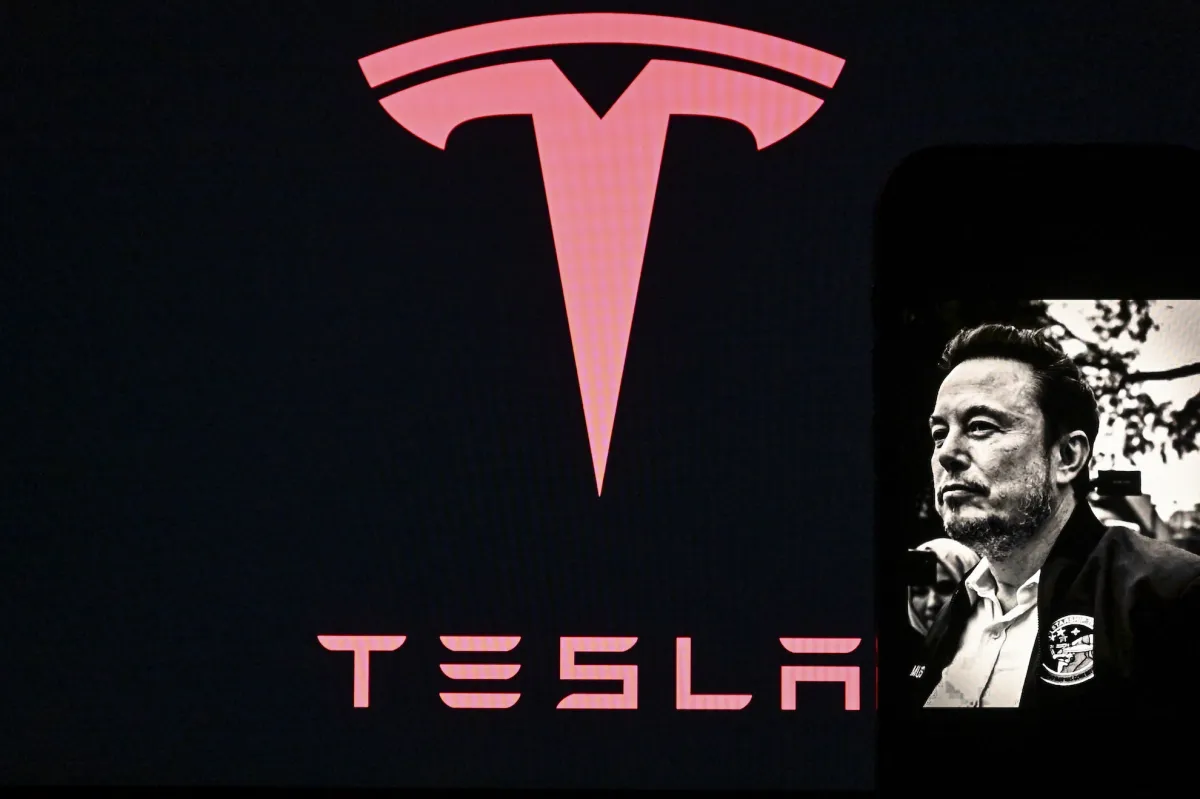
Tesla’s latest earnings call largely delivered what analysts expected, with revenue meeting or slightly exceeding forecasts and a surprising $1.4 billion in free cash flow providing a brief uplift to shares. However, it was an admission from CEO Elon Musk that truly captured attention, sending ripples of both concern and schadenfreude through the industry.
Musk confirmed that millions of Tesla owners, specifically those with Hardware 3 vehicles sold between 2019 and 2023, will eventually require physical hardware upgrades to run a future, more advanced version of its Full Self-Driving (FSD) software – a version that promises to operate without human supervision. This revelation comes after years of customer inquiries and speculation, with senior reporter Sean O’Kane having extensively covered the ongoing questions surrounding the compatibility of Hardware 3 with Tesla’s long-promised FSD capabilities.
The implications of this announcement are vast, touching upon financial, logistical, and even legal aspects for the electric vehicle giant. For years, customers invested in FSD, often paying thousands of dollars upfront, with the understanding that their vehicles were “future-proofed” for autonomous driving. The need for a physical upgrade now challenges that perception, potentially impacting customer trust and raising questions about the value proposition of previous FSD purchases and Tesla’s communication transparency.
But perhaps the most eyebrow-raising detail was Musk’s proposed solution: Tesla would need to establish “microfactories” in several major cities to service and upgrade potentially millions of vehicles. This is no small undertaking. Such a massive retrofit operation would be incredibly expensive and complex, requiring significant capital expenditure, a substantial workforce, and intricate logistical planning. Indeed, this initiative could easily become a major line item within Tesla’s recently expanded capital expenditures budget, which now stands at a whopping $25 billion for the year. The vision of fleets of Teslas awaiting hardware transplants in urban microfactories paints a vivid picture of the operational challenges ahead, highlighting the inherent complexities of rolling out advanced autonomous technology at scale. This situation underscores a critical lesson for the industry: the integration of cutting-edge software with existing hardware infrastructure remains a formidable challenge, especially when long-term promises are on the line.
Industry Shifts & Strategic Realignments
Redwood Materials Navigates Growth Pains with Restructuring
In another significant development signaling the evolving landscape of clean energy and mobility, an internal memo obtained and verified by senior reporter Sean O’Kane revealed that Redwood Materials, the battery recycling startup founded by former Tesla CTO JB Straubel, is undergoing a substantial restructuring. The memo announced layoffs affecting approximately 135 employees, or about 10% of its workforce, as the company realigns its focus towards its rapidly expanding energy storage business.
Techcrunch event
San Francisco, CA
|
October 13-15, 2026
Further investigation by O’Kane uncovered a broader pattern of executive departures, including the retirement of Chief Operating Officer Chris Lister and the recent exits of at least three other VPs. The company stated that these changes are part of an effort to reduce layers of management, streamlining operations as it matures from a startup phase into a more established player in the crucial battery supply chain. This strategic pivot underscores the intense pressures and evolving demands within the clean energy sector, where efficiency, strategic focus, and streamlined operations are paramount for long-term success and scaling critical infrastructure like battery recycling and energy storage solutions.
The Resurgence of Autonomous Hauling: Humble Robotics Emerges with Veteran Talent
Last week, a “little bird” whispered news of an impending launch for a new autonomous hauler startup – one focused on cabless big rigs and backed by the prominent VC firm Eclipse. True to the tip, just days later, San Francisco-based Humble Robotics officially broke cover, announcing a substantial $24 million seed round. This significant capital injection signals renewed investor confidence in certain segments of the autonomous vehicle market, particularly in the logistics and hauling sectors.
Eclipse indeed led the funding, with additional backing from Energy Impact Partners and RedBlue Capital, an early-stage VC firm noted for its surprising activity in the space. The funding round itself is impressive, but what truly distinguishes Humble Robotics is the pedigree of its founding team, which reads like a “who’s who” of Silicon Valley’s autonomous vehicle elite.
Founder Eyal Cohen boasts an extensive background, having contributed to Apple’s special projects, Uber ATG, and Pronto, and also founded Spark AI, which was acquired by John Deere in 2023. He’s joined by Drew Gray, whose résumé is equally steeped in AV expertise, including early stints at Cruise, the self-driving trucks startup Otto (acquired by Uber), and eventually serving as CTO at Voyage (later acquired by Cruise). This lineage creates a fascinating full-circle moment, made all the more poetic by the fact that Humble Robotics operates out of the very same building Cruise occupied after moving out of founder Kyle Vogt’s garage – a nostalgic nod to the early days of autonomous innovation in 2016.
While the industry has seen its share of ups and downs since those nascent days, Cohen and Gray are confident that the timing is now right for a new AV startup. They recently discussed with me the significant advancements in AI, sensor technology, and regulatory clarity, as well as crucial lessons learned from past ventures, that collectively position Humble Robotics for success in the evolving landscape of autonomous transportation. Readers should stay tuned for that deeper dive into their vision next week, as their entry could mark a pivotal moment for the autonomous trucking segment.
Got a tip for us? Email Kirsten Korosec atkirsten.korosec@techcrunch.comor my Signal at kkorosec.07, or email Sean O’Kane atsean.okane@techcrunch.com.
Mobility Market Dynamics: Acquisitions & Investments

Lyft’s European Expansion Play: A Bold Shift in Strategy
In a notable strategic shift, Lyft is increasingly looking beyond its traditional North American stronghold. For much of its history, Lyft maintained a concentrated focus on the domestic market, contrasting sharply with Uber’s aggressive global expansion strategy. However, this appears to be changing, with the company demonstrating a clear intent to build out its international footprint and diversify its service offerings.
This pivot began last year with the acquisition of the German multi-mobility app Freenow from BMW and Mercedes-Benz Mobility for approximately $197 million in cash. Now, Lyft is further solidifying its European presence by acquiring Gett’s U.K. business. While the specific terms of this latest deal were not disclosed, reports from Calcalist place the acquisition value at $55 million. This move is particularly significant as Lyft states it will gain the majority of registered black cab drivers across Greater London on its platform, a crucial component for market penetration and establishing a strong competitive presence in the highly competitive U.K. capital.
Lyft’s European strategy extends beyond traditional ride-hailing. The company is actively diversifying its transport offerings in the region, including its recently renewed partnership with Serco to provide bikes and stations for Europe’s Santander Cycles bike-share system. Furthermore, Lyft plans to commence testing autonomous rides in London with Baidu later this year, indicating a comprehensive and multi-modal approach to capturing a significant share of the evolving urban mobility market in Europe. This aggressive international push marks a new chapter for Lyft, one focused on global growth and diversified services.
Funding Rounds Across the Spectrum: Investing in the Future of Movement
Beyond the major corporate moves, venture capital continues to flow into innovative mobility startups across various niches, reflecting a robust belief in the sector’s long-term potential. This week saw several notable funding announcements:
- A&K Robotics:The Vancouver, Canada-based developer of autonomous vehicles tailored for airport operations, successfully raised an $8 million CAD Series A round. This investment was led by BDC’s Industrial Innovation Venture Fund and Vantage Futures, signaling growing interest in automating complex logistical environments and improving efficiency within critical infrastructure like airports.
- Decade Energy:Specializing in providing crucial power infrastructure at logistics depots, Decade Energy secured €22 million in funding. The round was led by Eiffel Investment Group and SET Ventures, with continued support from existing investors. This investment highlights the increasing need for robust, scalable, and efficient charging solutions to support the rapid electrification of commercial fleets and logistics operations, a critical bottleneck in the transition to sustainable transport.
- Reliable Robotics:A Silicon Valley startup dedicated to developing autonomous systems for aircraft, Reliable Robotics closed a substantial $160 million funding round. The round was led by Nimble Partners, with strong participation from existing backers such as Eclipse, Lightspeed, Coatue, and Pathbreaker Ventures. New investors included Island Green Capital, Socium Ventures, AE Ventures (a strategic partner of the Boeing Company), RTX Ventures, Presidio Ventures (Sumitomo Corporation), and UP.Partners. This significant capital injection underscores the growing confidence and substantial investment in the future of autonomous aviation, an area with immense potential for transforming air travel, cargo logistics, and defense applications.
The Bottom Line
This past week in mobility tech has painted a picture of an industry in constant flux, marked by both formidable challenges and bold innovations. Tesla’s FSD hardware dilemma serves as a stark reminder of the complexities inherent in delivering cutting-edge autonomous technology, illustrating that even with software advancements, foundational physical infrastructure can present significant hurdles. Meanwhile, strategic restructurings at companies like Redwood Materials and calculated international expansions by players like Lyft demonstrate a maturing market where efficiency, focused strategic execution, and global reach are becoming increasingly vital for competitive advantage. Simultaneously, the significant funding rounds for Humble Robotics and other specialized startups across autonomous systems and clean energy infrastructure affirm that venture capital remains keen on backing the next wave of disruptive solutions, particularly in the autonomous, electrified, and sustainable transportation sectors. As the industry navigates these dynamic shifts, one thing remains clear: the journey towards a more autonomous, electrified, and interconnected future of mobility is far from a straight road, but it’s undoubtedly accelerating, driven by both unforeseen challenges and relentless innovation.
Welcome back to a week packed with shifts in the automotive and autonomous tech landscape. From significant funding rounds to strategic divestments and crucial production milestones, the industry continues to accelerate, facing both innovative breakthroughs and market-driven recalibrations.
Key Takeaways
- Ghost Autonomy Secures Significant Funding:A $50 million raise signals investor confidence in autonomous driving software, led by an experienced former Tesla Autopilot director.
- Strategic Market Recalibrations:Porsche divests from Bugatti Rimac and PlusAI terminates its SPAC, reflecting a dynamic and sometimes challenging investment environment.
- EV Momentum Continues Unabated:Despite market turbulence, major players like Einride, Porsche, and Rivian are pushing forward with new electric vehicle deployments and models.
Autonomous Ambitions: Funding, Exits, and Evolution
The autonomous driving sector remains a hotbed of innovation and investment, though not without its strategic adjustments. This week saw a notable funding round that underscores continued belief in the future of self-driving technology, alongside a significant SPAC termination that highlights prevailing market conditions.
Leading the charge in new investment,Ghost Autonomysuccessfully closed a substantial $50 million funding round. This Series D infusion comes from a diverse group of investors including Coatue, Sutter Hill Ventures, Founders Fund, and VCs like Lightspeed Venture Partners, What If Ventures, Calm Ventures, Gaingels, and Mana Ventures. The capital is earmarked for advancing its software-defined autonomous driving technology, a critical component for the future of mobility. Adding significant weight to this venture is co-founder and CEORobert Rose, whose brief but impactful stint at Tesla as senior director of Autopilot saw him instrumental in shipping the initial iteration of the system in 2015. Such a pedigree often provides a strong signal of technical capability and execution potential to investors.
On the flip side of the funding coin, the planned SPAC merger between autonomous driving technology firmPlusAIand blank-check companyChurchill Capital Corp IXwas mutually terminated. Citing “market conditions,” this decision reflects a broader trend of increased scrutiny and cooled enthusiasm in the Special Purpose Acquisition Company (SPAC) market, particularly for nascent tech companies that rely heavily on future projections. It’s a stark reminder that even promising technologies face significant hurdles in navigating volatile financial landscapes.
Adding another layer to strategic shifts,Porscheis making moves to streamline its portfolio. The German luxury automaker announced its decision to sell its stake in the Bugatti Rimac joint venture, which it helped form in 2021, as well as its holdings in the electric-vehicle maker Rimac Group. Porsche, which previously held a 20.6% stake in Rimac and a 45% stake in the joint venture, is divesting these shares to HOF Capital. While financial terms were not disclosed, this move could signal Porsche’s sharpened focus on its internal electrification strategy, prioritizing its own rapidly expanding EV lineup and potentially reallocating resources to enhance its proprietary electric vehicle development.

The Electrified Road Ahead: Production, Partnerships, and Persistent Progress
The electric vehicle revolution continues to gather pace, marked by new model announcements, significant commercial partnerships, and the sheer resilience of manufacturers in the face of unexpected challenges. The industry is navigating a complex web of supply chains, market demands, and geopolitical dynamics.
In the realm of commercial electric transport, Swedish startupEinrideis making significant inroads, adding 75 of its electric heavy-duty trucks toAmazon’s Relay freight network. This deal represents a strategic toehold for Einride within the e-commerce giant’s vast logistical operations, signaling Amazon’s deepening commitment to electrifying its supply chain. Such partnerships are crucial for scaling EV adoption in the demanding heavy-duty segment, demonstrating the operational viability and environmental benefits of electric freight.
Meanwhile, the global automotive chessboard saw potential cross-continental plays.Fordand Chinese automakerGeelyreportedly engaged in talks about extending a European tie-up into the U.S. market, as reported by the Wall Street Journal. The implications of such a deal would be profound, potentially paving the way for Chinese-made vehicles to enter the highly competitive U.S. market on a larger scale. However, these consequential talks appear to have stalled, leaving the prospect in limbo, with Bloomberg also reporting Ford’s denial of such claims. This episode highlights the sensitive nature of international automotive partnerships, particularly concerning market access and regulatory complexities.
Luxury EV offerings are also expanding, withPorscheadding another electrifying model to its lineup. The Cayenne electric coupe is slated to hit the market in late summer. This addition underscores Porsche’s aggressive push into the EV space, leveraging the success of its popular SUV platform. As I’ve explored in a previous article, there’s compelling data suggesting why this particular model might be a significant winner for Porsche, appealing to a broad segment of luxury consumers ready for an electrified performance SUV.
Demonstrating remarkable resilience, the first customer-readyRivianR2 SUVs have rolled off the production line at its factory in Normal, Illinois. This significant milestone occurred just days after the facility was struck by an EF-1 tornado that caused damage, including tearing off part of the roof. Founder and CEORJ Scaringeconfirmed that Rivian does not anticipate any delays to the R2, which are still expected to reach customers in June. This swift recovery and continued progress are vital for Rivian as it aims to scale production and meet the high demand for its next-generation electric vehicles.

One More Thing: The Future of In-Car Tech, Tested
As diligent readers of this newsletter know, I regularly test-drive a variety of vehicles, and sometimes these aren’t always electric. Take, for instance, the opportunity to get behind the wheel of anAston Martin Vantage Roadster. I was particularly eager to experience this $205,000 chiltern-green machine, not just for its sleek design, powerful engine, and convertible luxury, but specifically to testApple CarPlay Ultra. This next-generation infotainment system promises to project iPhone content seamlessly to a vehicle’s screens, including the instrument cluster, while also integrating vehicle controls such like the radio, performance settings, and climate controls directly. CarPlay Ultra made its debut in Aston Martin models, which aren’t exactly common to get my hands on, making this a prime opportunity for evaluation.
My initial experience with Apple Ultra CarPlay last summer was, admittedly, mixed. While the functionality was impressive when it worked, it often suffered from glitches. The problem seemed to be linked to a persistent bug that displayed two versions of the vehicle in the Bluetooth settings, leading to connectivity issues and frustrating interruptions in the user experience.
However, this time around, the difference was night and day. The setup was instant, flawlessly connecting without a hitch, and it never glitched throughout my entire test drive. Hooray, indeed! The system always worked as intended, offering a truly integrated and intuitive experience. This improvement is incredibly significant for Aston Martin, a brand that, for years, was tied to Mercedes-Benz’s older COMAND system. (Mercedes itself had moved on from COMAND in 2018, adopting its new MBUX system). The successful implementation of CarPlay Ultra brings Aston Martin’s in-car technology firmly into the modern era, providing a user experience that finally matches the luxury and performance of its vehicles.
Bottom Line
This week highlights a dynamic and sometimes contradictory period in the automotive and tech sectors. While autonomous driving continues to attract substantial investment, the broader market demands prudence, as seen with SPAC cancellations and strategic divestments. Yet, the core mission of electrification pushes forward, with both established players and agile startups delivering new products and expanding infrastructure. The steady progress in in-car technology, exemplified by the perfected Apple CarPlay Ultra, underscores a relentless drive to enhance the user experience, proving that innovation in mobility extends beyond just powertrain and autonomy into every touchpoint of the driving journey.
When you purchase through links in our articles, we may earn a small commission. This doesn’t affect our editorial independence.
{content}
Source:{feed_title}