
**Key Takeaways:**
- **Wordle Goes Primetime:** The New York Times and NBC are adapting the wildly popular mobile word puzzle, Wordle, into a fast-paced televised game show, set to air next year.
- **Strategic Brand Extension:** This collaboration marks the NYT’s first entertainment-focused TV partnership, deepening its commitment to digital subscription growth and leveraging its successful games division’s intellectual property.
- **Adapting a Cultural Phenomenon:** The show, hosted by Savannah Guthrie and co-produced by Jimmy Fallon, faces the challenge of translating Wordle’s thoughtful, solitary gameplay into an engaging, family-friendly competitive format.
Wordle’s Next Chapter: From Mobile Craze to Primetime Game Show
The digital sensation that captured millions with its daily five-letter challenge is set to make the leap to broadcast television. The New York Times, owner of the global phenomenon Wordle, announced a groundbreaking partnership with NBC to transform the hit word puzzle into a televised game show. This move signals a significant evolution for the beloved game and a strategic expansion for The Times’ burgeoning digital content empire.
The news broke on Monday’s 8:00 AM broadcast of the “Today” show, where anchors Savannah Guthrie and Jimmy Fallon, who will serve as a production partner alongside The Times, revealed details of the upcoming series. Guthrie will host the new show, which has reportedly been in development for the past two-and-a-half years, indicating a thoughtful, long-term vision behind this ambitious adaptation. NBC is slated to begin shooting episodes this summer, with the show expected to hit the airwaves sometime next year.
Translating the Puzzle: A Fast-Paced Family Affair
The announcement described the upcoming Wordle game show as “fast-paced” and a “great family game.” This characterization immediately sparks curiosity, as it suggests a departure from the deliberate, often contemplative nature of the mobile game. The original Wordle invites players into a solitary intellectual exercise, where success hinges on deduction, vocabulary, and a bit of luck, often requiring moments of quiet reflection to sift through potential letter combinations.
Adapting this experience for a live, competitive television format presents unique creative challenges. How will the core mechanics of guessing a five-letter word in six attempts translate to a visually engaging, audience-friendly spectacle? Will there be teams, individual contestants, or a combination? The “fast-paced” descriptor hints at timed rounds, perhaps rapid-fire letter reveals, or even a twist on the classic “hot or cold” feedback system. The key will be to maintain the addictive problem-solving essence of Wordle while injecting the high-stakes drama and entertainment value essential for a successful game show. This balance will be crucial in captivating both long-time Wordle enthusiasts and new viewers alike.
The New York Times’ Digital Imperative: Beyond the Byline
For The New York Times, this televised venture is more than just another entertainment project; it’s a pivotal moment in its ongoing strategic pivot towards a robust, sustainable digital subscription business. As traditional print revenue continues its inexorable decline, media giants like the NYT are aggressively diversifying their offerings to retain and attract subscribers. Their games division, alongside cooking and audio content, has become an increasingly vital pillar in this strategy.
The acquisition of Wordle in January 2022, from its original creator Josh Wardle (who first released the game in October 2021), was a masterstroke. The NYT revealed that the game almost immediately brought “tens of millions” of new users into its ecosystem, significantly boosting engagement across its wider suite of puzzles, including the iconic Crossword and Spelling Bee. The numbers speak volumes: NYT Games reported that users played over 11 billion puzzles across all its titles last year, a substantial increase from 8 billion in 2023. This growth underscores the immense value of popular digital intellectual property.
This collaboration with NBC marks the very first time The Times has entered into a major TV broadcasting partnership specifically for an entertainment-based program. It represents a bold step in leveraging its acquired digital assets not just for direct subscriptions, but also as a brand extension that can introduce The Times’ “games” identity to an even broader, mainstream audience. The visibility on a national network like NBC offers unparalleled marketing reach, potentially funneling new users back to the NYT Games app and, by extension, its core news subscriptions.
The Wordle Phenomenon: A Brief History of a Viral Hit
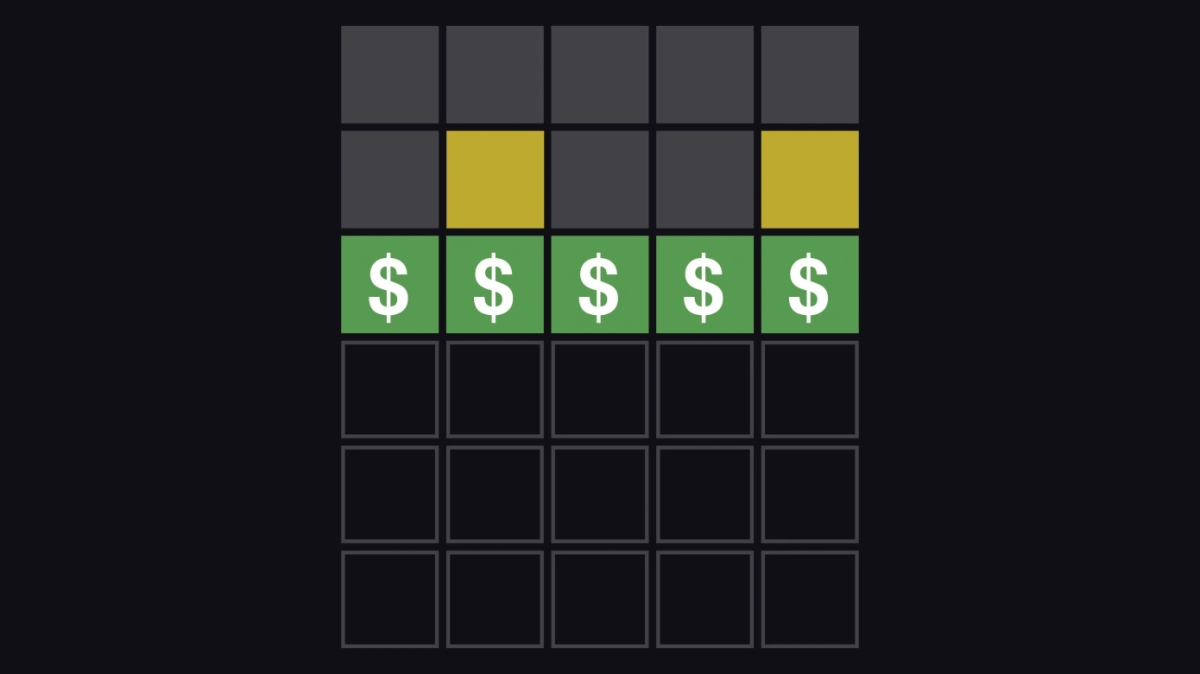
Wordle’s meteoric rise from a personal project to a global sensation is a testament to simple, elegant game design and the power of social sharing. Launched quietly in October 2021, its daily challenge, intuitive interface, and satisfying “share” feature (with its distinctive green, yellow, and grey squares) quickly went viral. It became a daily ritual for millions, a shared experience that transcended demographics and geographical boundaries. Its success demonstrated a clear appetite for accessible, brain-teasing puzzles in a world often saturated with complex, high-production-value games. The NYT recognized this inherent appeal and wisely brought it under its wing, integrating it seamlessly into its existing portfolio of quality word games.
Casting Call: Your Shot at Wordle Glory
For those who fancy themselves Wordle masters, NBC is already on the hunt for contestants. The opportunity to test one’s linguistic prowess under the bright lights of a television studio offers an exciting prospect for fans eager to take their daily puzzle-solving skills to the next level. This call for contestants further cements the show’s imminent reality and the network’s commitment to bringing this digital darling to life.
{content}
**Bottom Line:** The transformation of Wordle into an NBC game show is a shrewd strategic play by The New York Times, cementing its position as a multi-platform content provider and showcasing the immense value of digital intellectual property in an evolving media landscape. While the adaptation poses creative challenges, the immense popularity of the game combined with the broad reach of network television creates a compelling new chapter for both the beloved puzzle and the venerable news organization, marking a significant step in the convergence of digital gaming and traditional entertainment. This move isn’t just about a game show; it’s about the future of media companies building diversified, sustainable digital ecosystems.
Source:{feed_title}