
NATO Reaffirms Nuclear Deterrence Amid Evolving Global Security Landscape
Brussels, Belgium – For the first time since 2007, the North Atlantic Treaty Organization’s (NATO) Nuclear Planning Group (NPG) has issued a comprehensive ministerial statement on the alliance’s nuclear deterrence mission. The statement commits NATO to modernizing its nuclear capabilities and strengthening its nuclear planning capacity, underscoring a renewed focus on its foundational defense posture.
Meeting at a ministerial level in Brussels, the NPG, which serves as NATO’s senior body for nuclear deterrence matters, unanimously endorsed a declaration asserting that the alliance’s strategic nuclear forces remain “the supreme guarantee of Allied security.” These forces, the statement emphasized, are integral to NATO’s extended deterrence architecture, which aims to protect all member states through a credible threat of nuclear retaliation.
Ministers agreed on several key pillars to enhance the nuclear deterrence mission. These include the continuous modernization of capabilities, a robust strengthening of planning capacity, and a commitment to adapting its posture to effectively “achieve its security interests.” The alliance explicitly vowed to maintain what it described as “a safe, secure, effective, and credible nuclear posture” with the overarching goals of preserving peace, preventing coercion by potential adversaries, and deterring aggression. Furthermore, allies reaffirmed their commitment to sharing the responsibilities, risks, and burdens inherent in collective defense, pledging to invest the necessary resources and forces required to execute the nuclear mission effectively.
A senior NATO official, speaking on background, highlighted the significance of the brief yet impactful statement. The official noted its rarity, being the first of its kind in 16 years, and stressed that NATO remains fundamentally “a nuclear alliance” while simultaneously upholding its non-proliferation obligations. This statement, the official elaborated, aligns with a broader strategic reorientation within NATO, often termed “NATO 3.0.” This strategic shift marks a deliberate pivot away from the expeditionary warfare focus of the post-Cold War era towards a renewed emphasis on the deterrence and defense of the Euro-Atlantic area. In this context, the official argued, the nuclear dimension inevitably returns to the core of allied strategic thinking, given that any potential conflict with a nuclear-armed adversary inherently carries nuclear implications from its outset.
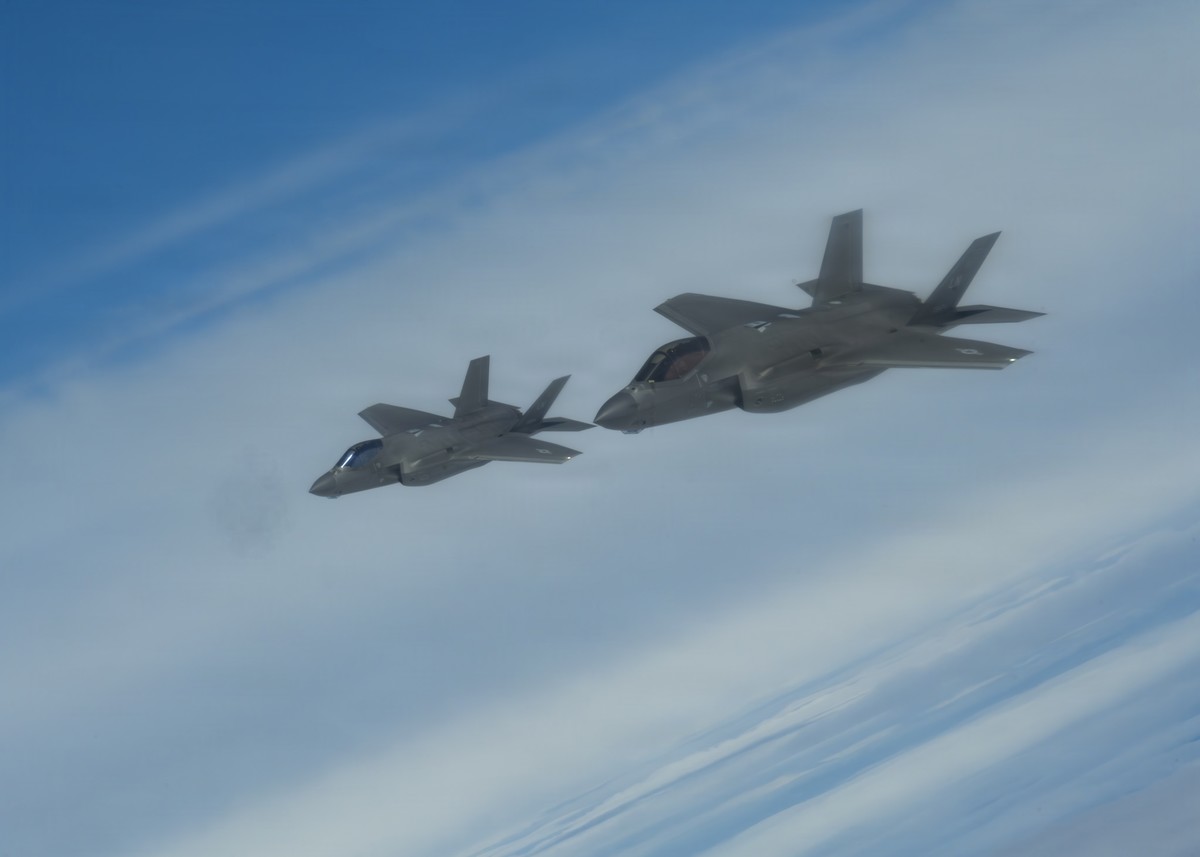
Addressing suggestions that U.S. Secretary of Defense Pete Hegseth had merely delivered opening remarks before departing the meetings, the official firmly countered, clarifying that Secretary Hegseth’s initial engagement of the day, in a plenary format, was his full attendance at the Nuclear Planning Group session itself. This, the official underscored, demonstrated that the United States was “fully leaning in” to NATO’s nuclear sharing mission, which is primarily built around dual-capable aircraft. The official further confirmed that the United States, the United Kingdom, and France were visibly modernizing their respective nuclear forces. Washington, the official added, has repeatedly reaffirmed its unwavering nuclear guarantee to allies, irrespective of separate adjustments to its conventional military posture, including reported changes to its B-52 bomber fleet, which the official asserted had no bearing on the U.S. nuclear commitment.
When questioned by the UK Defence Journal regarding the practical implications of “strengthening nuclear planning capacity,” the NATO official explained that it involves ensuring NATO’s nuclear capability remains entirely fit for purpose. This encompasses maintaining the flexibility and credibility necessary to deliver effective deterrence. Achieving this, the official clarified, hinges on having robust planning frameworks and seamless communication channels in place, enabling allies to make critical decisions “at the speed of relevance.” Pressed on whether this might necessitate an increase in NATO’s tactical nuclear warheads, particularly in light of Russia’s development of lower-yield weapons, the official refrained from offering specific details. Instead, the official reiterated that the overarching goal is to maintain a credible and flexible nuclear posture capable of compelling Moscow to “think again” before any escalation to tactical nuclear use, and to restore deterrence should it ever be required.
Regarding France’s independent nuclear forces, the official acknowledged that Paris’s offer of cooperation differs in nature from the arrangements under which the United States and the United Kingdom collaborate with allies. Nevertheless, French nuclear forces, the official noted, provide “another center of decision making” that significantly augments overall deterrence. This development, the official stated, has been broadly welcomed across the alliance, with a number of allies expressing interest in exploring the practical implications of working more closely with France on this front. Pertaining to the American nuclear umbrella itself, the official confirmed there had been no discussion of any alterations, dismissing any suggestions that the talks had touched upon the United States transferring nuclear weapons to allies. The official described the extended guarantee as having been reconfirmed “beyond doubt.”
Asked directly if the statement was intended as a message to Moscow, the official confirmed that it was, first and foremost, a public declaration that Russia would undoubtedly scrutinize alongside the rest of the world. The official characterized it as a clear signal of allied resolve, extending comprehensively to the nuclear dimension, and reflective of the current United States administration’s emphasis on the enduring importance of NATO as a nuclear alliance. Regarding Russia’s nuclear capabilities in the Arctic, the official declined to single out the region, stating that the alliance’s response is directed at extended-range Russian capabilities generally, rather than any specific theater of operation.
Pressed on the precise timing of the statement and the underlying report agreed upon by ministers, the official avoided linking it to any single event, such as the collapse of the Intermediate-Range Nuclear Forces (INF) treaty, the reduction of U.S. conventional forces in Europe, or Europe’s deep-strike capability gap. Instead, the official attributed the timing to years of accumulated work that gained fresh impetus over the past year. This renewed drive, the official explained, is part of the wider reorientation of the alliance towards deterrence and defense, coupled with an urgent need to manage escalation risk following repeated Russian nuclear rhetoric concerning Ukraine.
Concluding the session, the official underscored that the core message intended for Moscow was unequivocally simple: NATO remains a nuclear alliance, and it is taking deliberate and robust steps to ensure that this capability remains credible, survivable, and adaptable in the face of evolving threats.
Why This Matters
The issuance of NATO’s Nuclear Planning Group’s first ministerial statement in over a decade marks a significant strategic inflection point for the alliance and global security. It signals a definitive return to the foundational principles of deterrence in an increasingly volatile international environment.
Firstly, this statement underscores the alliance’s acknowledgment of a renewed era of great power competition, particularly with Russia. For years following the Cold War, NATO’s focus shifted towards expeditionary operations and crisis management. The “NATO 3.0” concept, as outlined by the official, represents a strategic pivot back to collective defense and deterrence against a peer or near-peer adversary. In this context, nuclear weapons are not merely an afterthought but a central pillar of security, reflecting a sobering recognition that conventional superiority alone may not suffice to deter aggression from a nuclear-armed power.
Secondly, the commitment to modernize capabilities and strengthen nuclear planning capacity is not just about maintaining the status quo; it’s about adapting to contemporary threats. Russia’s development of new classes of weapons, including lower-yield tactical nuclear weapons, and its frequent nuclear rhetoric related to the conflict in Ukraine, have heightened concerns about escalation. NATO’s emphasis on a “credible, flexible nuclear posture” and the ability to make decisions “at the speed of relevance” suggests an effort to counter these specific challenges and ensure that deterrence remains effective across the full spectrum of potential conflict scenarios. This is crucial for preventing miscalculation and maintaining strategic stability.
Thirdly, the statement reinforces alliance cohesion and burden-sharing. The explicit commitment by allies to invest in the resources and forces needed for the nuclear mission, alongside the welcome of France’s independent nuclear forces as “another center of decision making,” highlights a collective responsibility for deterrence. This shared burden reinforces the credibility of NATO’s extended deterrence, ensuring that the security of all members is guaranteed, not just those possessing their own nuclear arsenals.
Finally, this declaration sends a powerful message to both allies and adversaries. For NATO members, it reassures them of the alliance’s unwavering commitment to their security through its ultimate guarantee. For potential adversaries, particularly Russia, it serves as a clear warning that NATO views its nuclear deterrent as sacrosanct and is prepared to ensure its efficacy. In an era marked by the erosion of arms control treaties and persistent geopolitical tensions, a clear, unified, and modernized nuclear posture from NATO is designed to restore a sense of predictability and deter aggression, thereby contributing to broader international stability, even if through the stark reality of nuclear deterrence.