
Not everyone is buying Elon Musk’s vision for orbital data centers.
**Key Takeaways:**
* **Terrestrial vs. Orbital AI Compute:** SoftBank CEO Masayoshi Son’s vocal skepticism about orbital data centers highlights a critical industry debate over immediate AI compute needs versus the long-term, high-cost, and time-intensive solutions proposed for space.
* **The “Neo-Cloud” Gold Rush:** Facing severe compute constraints, a diverse range of companies—from established chipmakers like Groq to SpaceX itself—are aggressively pivoting to lease out AI compute resources, signaling a frantic and competitive race to become infrastructure providers.
* **Strategic Self-Interest:** The visions and predictions of tech leaders regarding future AI infrastructure, whether promoting space-based solutions or terrestrial expansion, are deeply intertwined with their own business models and financial stakes, making objective assessment challenging.
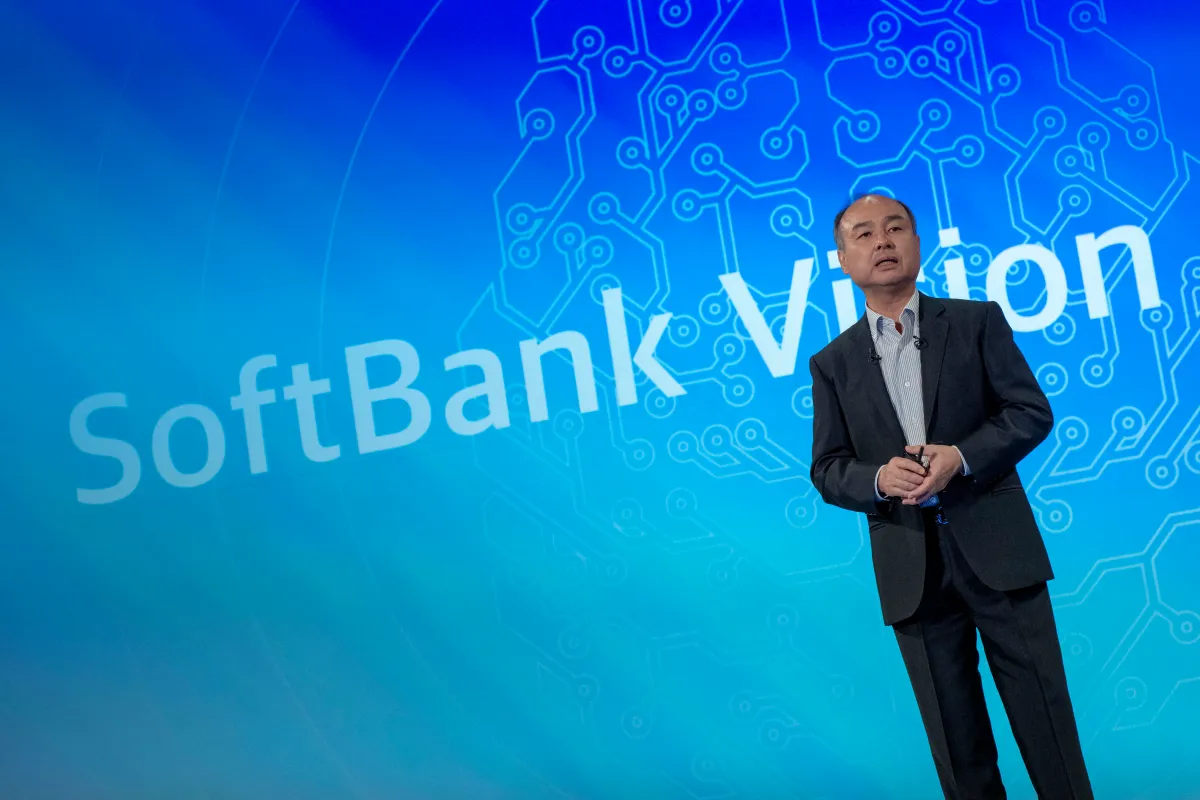
The race for AI dominance is escalating, and with it, the demand for computational power has reached unprecedented levels. While Elon Musk has floated ambitious plans for orbital data centers, a formidable voice of dissent has emerged from an unlikely quarter: Masayoshi Son, the founder and CEO of SoftBank. Son recently argued at a shareholder meeting that building data centers in space offers little in the way of cost reduction and, more critically, would take far too long to materialize, missing the crucial “next few years” that will define the AI battleground.
This clash of titans—Musk’s futuristic vision against Son’s grounded skepticism—formed a central pillar of discussion on a recent episode of TechCrunch’s Equity podcast. Kirsten Korosec, Sean O’Kane, and I delved into Son’s remarks, juxtaposing them against broader industry trends like OpenAI’s custom chip initiatives and chipmaker Groq’s substantial new $650 million funding round. As Kirsten aptly noted, the irony of Son, a man known for SoftBank’s “long history of wild bets,” playing the skeptic is palpable. Sean, meanwhile, pointed to a more cynical motivation, suggesting Musk’s orbital data center concept is essentially “guaranteeing that much more business” for SpaceX.
The following is a preview of our conversation, edited for length and clarity, exploring the immediate crunch for compute, the rise of “neo-clouds,” and the strategic motivations behind the tech industry’s grand prophecies.
The Orbital Data Center Debate: Vision vs. Reality
Masayoshi Son’s recent comments struck a chord, questioning the very premise of data centers in space. While the idea of escaping terrestrial limitations like land availability, energy costs, and local regulations (NIMBYs, as Sean would put it) holds a certain appeal, Son’s objections are rooted in immediate practicality. He sees the “next few years” as pivotal for AI, a timeframe incompatible with the monumental engineering and economic challenges of establishing and maintaining an orbital compute infrastructure. Such an undertaking would not only incur “very, very serious” costs but also require “years and years and years” of development, failing to address any current compute shortages.
Kirsten Korosec highlighted the profound irony of Son’s position. SoftBank, under Son’s leadership, has historically been a major backer of audacious, often speculative ventures—a track record that includes significant investments in companies like WeWork. Yet, here he stands, a voice of caution amidst a growing chorus of VCs and founders who have seemingly embraced the concept of orbital data centers with surprising enthusiasm. Her observation underscores that when a known risk-taker like Son raises such fundamental questions, it signals a potentially significant disconnect between hype and tangible feasibility.
Sean O’Kane offered a more pointed critique, suggesting that for Elon Musk and SpaceX, the orbital data center concept serves a dual purpose. Beyond the vision of a limitless compute platform, it inherently guarantees a massive, ongoing revenue stream for SpaceX’s core launch business. “When you talk about making a constellation of satellites — satellites that need to be replaced every few years as well — to make up an ‘orbital data center,’ quote unquote, you’re just guaranteeing that much more business for your launch business,” Sean explained. He stressed that SpaceX’s overwhelming dominance in the global launch market is heavily reliant on Starlink, and an orbital data center constellation would simply amplify this internal demand, making it a highly strategic, self-sustaining venture.
The “Neo-Cloud” Gold Rush: Compute as the New Oil
“Listen, neo-clouds are the new oil, and everybody who wants to make money is pivoting to a neo-cloud,” Sean O’Kane declared, capturing the essence of the current scramble for AI compute. The industry is experiencing unprecedented compute constraints, making anyone with the capacity to lease out processing power a potential kingmaker. This phenomenon extends far beyond traditional cloud providers.
We see chipmakers like Groq, which recently secured $650 million in funding, positioning themselves not just as hardware creators but as compute lessors. Even more illustrative is SpaceX’s foray into renting out its compute resources. While not on the scale of their deals with Google or Anthropic, SpaceX has continued to ink agreements, including a recent post-IPO deal to lease compute to a smaller player. This move underscores a broader trend: companies that once had different primary objectives are now strategically diversifying into compute provision, recognizing the immense value of this new digital commodity. The overarching question for all these new players, however, remains the durability of this business model in the long term, once the initial gold rush subsides or infrastructure becomes more democratized.
“Talking Your Own Book”: The Self-Serving Prophecies of Tech Leaders
A pervasive theme running through the discussions about AI’s future, and particularly its infrastructure, is the concept of “talking your own book.” As I pointed out on the podcast, it’s not a new phenomenon for executives to predict a future that conveniently aligns with and benefits their own business interests. However, in this moment of incredible uncertainty surrounding AI’s impact on everything from the job market to the environment, these predictions carry immense weight and deserve scrutiny.
Consider the players: Elon Musk’s advocacy for orbital data centers, as Sean highlighted, would directly funnel massive business to SpaceX’s launch operations. Conversely, SoftBank, with its substantial investments in terrestrial data center projects, naturally views space-based alternatives with skepticism, as they could potentially dilute or compete with their existing portfolio. Even figures like Sam Altman, CEO of OpenAI, who has reportedly rolled his eyes at the orbital data center concept, operates within a complex web of relationships and historical rivalries, particularly with Musk, that influence his public stance.
The takeaway is clear: there are “no objective, impartial observers here.” Every pronouncement from these influential figures is filtered through their own “baggage and tremendous amounts of money at stake.” Understanding the inherent biases behind these visions is crucial for anyone trying to navigate the rapidly evolving landscape of AI infrastructure and the future of technology itself.
Bottom Line
The AI compute race has ignited a fierce competition for infrastructure, pushing industry leaders to propose both audacious, long-term visions like orbital data centers and immediate, pragmatic shifts towards compute leasing. However, as the debate between Elon Musk’s space-bound ambition and Masayoshi Son’s grounded skepticism reveals, these competing narratives are often deeply informed by strategic self-interest. With billions at stake and the “next few years” deemed critical for AI development, the tech world must critically evaluate these grand prophecies, recognizing that behind every prediction lies a business model eager to capitalize on the insatiable demand for processing power.
When you purchase through links in our articles, we may earn a small commission. This doesn’t affect our editorial independence.
{content}
Source:{feed_title}