
Key Takeaways:
- San Francisco Mayor Daniel Lurie has demanded stricter state regulations for autonomous vehicles (AVs) following multiple incidents, including a significant July 4th traffic jam caused by Waymo robotaxis.
- The proposed regulations call for AV companies to demonstrate four core capabilities: immediate incident response, real-time operational adaptability, transparent data sharing with local agencies, and proven resilience during large-scale events.
- This move signals a critical shift in how major urban centers view AV deployment, emphasizing operational reliability and integration with city services over mere driving safety, especially as fleets scale significantly.
San Francisco’s AV Reckoning: Mayor Demands Stricter Robotaxi Rules After Gridlock Chaos
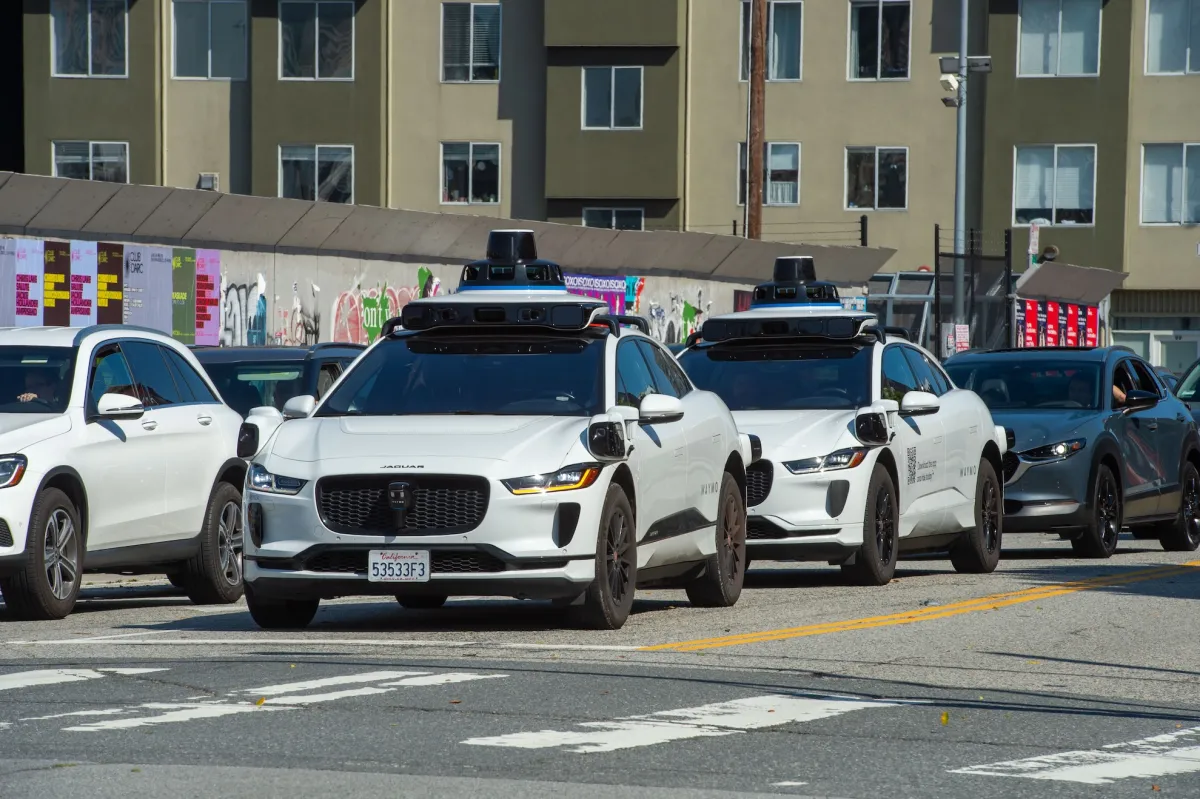
San Francisco, long heralded as a beacon of technological innovation, is now grappling with the growing pains of integrating autonomous vehicles into its dense urban fabric. The city’s mayor, Daniel Lurie, once an advocate for making the city a testbed for emerging tech, has reached a critical limit. His call for bolstered state regulations for autonomous vehicles comes nearly two weeks after a particularly jarring incident: Waymo robotaxis became immobilized in heavy July 4th traffic, ran out of power, and blocked key streets, exacerbating an already monumental gridlock that left thousands at a standstill.
This wasn’t an isolated incident, but rather the latest in a series of operational failures that have pushed the city to demand more from the burgeoning robotaxi industry. The traffic jam, which ensnared municipal shuttles and critical transportation arteries, quickly escalated into a citywide problem, impacting residents and emergency services alike.
The Incidents That Sparked Action: A Pattern of Paralysis
Mayor Lurie’s frustration is rooted in specific, high-impact events that have highlighted the vulnerabilities of the current autonomous vehicle deployment model. In a letter addressed to the state Department of Transportation, which was obtained by TechCrunch, Lurie cited two primary examples that underscored his concerns. The first was a widespread power outage in December, where numerous Waymo vehicles became stranded, contributing to traffic paralysis across several districts. The second, and more recent catalyst, was the July 4th Golden Gate Bridge fireworks show, an event that drew an estimated 100,000 spectators to the waterfront, overwhelming the city’s infrastructure and leading to the infamous robotaxi gridlock.
“These events,” Lurie wrote in his letter, “demonstrated that California’s current regulatory framework does not adequately address how autonomous vehicles operate during major incidents, planned or not. California’s challenge now is not just whether autonomous vehicles can operate safely under normal conditions, but also whether they can perform reliably during extraordinary ones.” This statement marks a significant shift in focus, moving beyond the fundamental safety of AVs to their operational resilience and integration within complex urban environments.
Mayor Lurie’s Blueprint for Operational Resilience
To prevent future disruptions, Mayor Lurie has put forth a vision for enhanced oversight, outlining four “core operational capabilities” that autonomous vehicle manufacturers should be compelled to demonstrate. He urged the California Department of Transportation to establish these as statewide standards, thereby creating a more robust framework for AV deployment:
- Immediate Incident Response:Companies must be able to instantly remove or relocate stranded robotaxis from active travel lanes. This capability is crucial for maintaining traffic flow and ensuring emergency access, particularly during critical incidents.
- Real-Time Adaptability:AV services should possess the ability to adapt their operations in real time. This includes dynamically adjusting routes, service areas, and pickup/drop-off locations in response to unforeseen events, traffic congestion, or public safety directives.
- Transparent Data Sharing:A vital component of urban integration is the sharing of real-time operational data with local agencies. This data should encompass service disruptions, the precise locations of immobile robotaxis, and details of recovery efforts, enabling better coordination and rapid response from city officials.
- Proven Resilience in High-Demand Scenarios:Through rigorous testing and demonstration, companies must prove their AV fleets can effectively handle large influxes of people and traffic, such as those seen during major public events or emergencies, without compromising urban mobility.
These proposed requirements underscore a growing demand from city leaders for AV companies to mature beyond pilot programs and assume full responsibility for their operational impact on public infrastructure and services.
California’s Unique Regulatory Landscape: A Double-Edged Sword
California’s existing regulatory framework for autonomous vehicles is already among the strictest in the nation. Any company aspiring to operate a robotaxi service in the state must successfully navigate a two-tiered permit process, involving both the Department of Motor Vehicles (DMV) and the Public Utilities Commission (CPUC). While stringent, this hasn’t deterred companies; rather, the robust regulatory environment and the promise of a lucrative market in the tech-savvy state continue to attract leading AV developers.
San Francisco and the broader Silicon Valley area have historically served as a prime testbed for autonomous vehicle technology. Currently, six companies, including industry giants like Waymo, Amazon-owned Zoox, and Nuro, hold driverless testing permits, allowing their vehicles to operate without a human safety operator behind the wheel. Beyond testing, the region has also become a critical launch point for commercial services, which necessitate additional permits from the DMV and CPUC, signifying a transition from experimental technology to public utility.
Waymo’s Dominance and the Challenges of Scale
Among the various players, Waymo stands out due to its sheer scale. With an estimated 1,000 robotaxis currently operating in the Bay Area, it is by far the largest commercial operator. The company boasts a significant footprint, operating in 11 cities and completing over 500,000 paid rides every week. This scale, while a testament to Waymo’s technological advancements, has also made it the primary focal point for regulators in San Francisco and beyond.
Other companies are also making inroads: Amazon-owned Zoox is either testing or poised to launch commercial operations, and Uber is planning a premium robotaxi service. Even Tesla has a branded “robotaxi” service, though it operates under a charter transportation permit, utilizing human drivers in vehicles equipped with its advanced driver-assistance system (ADAS) rather than fully autonomous software, and thus doesn’t hold the permits for true driverless operation.
Mayor Lurie acknowledged that Waymo had taken voluntary steps on July 4th, agreeing to restrict its service near the waterfront and assigning a representative to the city’s emergency center. However, these measures proved insufficient to prevent the widespread disruptions, indicating that the scale of Waymo’s fleet now demands more than voluntary cooperation. Lurie emphasized that these proposed requirements “will not undermine autonomous vehicles; they will strengthen them,” signaling a belief that robust regulation is essential for the long-term viability and public acceptance of AV technology in urban centers.
The Broader Implications: Navigating the Future of Urban Mobility
San Francisco’s standoff with autonomous vehicle operators carries significant implications beyond city limits. It represents a crucial inflection point in the global conversation about how autonomous technology can and should be integrated into complex urban environments. The city’s demands highlight a critical tension: the rapid pace of technological innovation versus the inherent need for public safety, robust infrastructure, and seamless urban functionality.
As AV fleets continue to grow and expand into more cities, the issues raised by Mayor Lurie—operational resilience during emergencies, real-time data sharing with municipal authorities, and the ability to adapt to dynamic urban conditions—will become universal concerns. This isn’t merely about preventing traffic jams; it’s about ensuring that a new transportation paradigm enhances, rather than detracts from, the quality of urban life and the efficacy of emergency services. The challenge for both regulators and AV companies is to foster innovation while simultaneously ensuring accountability and public trust in these transformative technologies.
The outcome of San Francisco’s push for stricter rules could set a precedent for how other major cities approach AV regulation, shaping the future development and deployment strategies for the entire autonomous vehicle industry.
Bottom Line
San Francisco’s bold move to demand more rigorous accountability from autonomous vehicle operators marks a pivotal moment in the industry’s evolution. It underscores that as AV fleets scale and become integral to urban mobility, their operational capabilities must extend far beyond mere driving safety to encompass comprehensive incident response, real-time adaptability, and seamless integration with city infrastructure and emergency services. For autonomous vehicle companies, the message is clear: the era of “testbed” leniency is fading, replaced by a mandate for proven operational resilience and a collaborative approach to urban coexistence, ensuring that innovation truly serves the public good under all conditions.
When you purchase through links in our articles, we may earn a small commission. This doesn’t affect our editorial independence.
{content}
Source:{feed_title}