
Check out what’s clicking on FoxBusiness.com.
**Key Takeaways:**
1. **Regulatory Scrutiny Intensifies:** The recall underscores heightened vigilance by the U.S. Food Safety and Inspection Service (FSIS) on imported food products, signaling potential for increased oversight and compliance costs for global food suppliers and U.S. importers.
2. **Supply Chain Vulnerabilities Exposed:** This incident highlights critical control points within the international food supply chain, demonstrating how a single procedural failure, even without immediate health consequences, can lead to significant market disruptions and financial penalties.
3. **Consumer Confidence and Market Dynamics:** While no illnesses have been reported, the recall risks eroding consumer trust in imported beef, potentially shifting demand towards domestic alternatives and impacting pricing strategies for both retailers and distributors in affected regions.
A significant recall of nearly 30,000 pounds of imported raw beef from South America has sent ripples through the U.S. meat market, not due to contamination, but due to a critical lapse in regulatory compliance. The U.S. Department of Agriculture’s Food Safety and Inspection Service (FSIS) announced the recall by Florida-based Corte Argentino USA LLC, citing the failure to conduct a mandatory reinspection of the product after its arrival in the United States. This procedural oversight, while not immediately linked to consumer illness, carries substantial market implications, spotlighting the intricate challenges of global food supply chains and the unwavering importance of regulatory adherence.
The recall affects approximately 29,628 pounds of raw beef products, primarily boneless cuts, which originated from Argentina. According to FSIS, these shipments bypassed the crucial import reinspection process, a standard safeguard that involves a meticulous check of documentation, labeling, packaging, the product’s general condition, and sometimes sampling for potential contaminants. This step is a non-negotiable requirement for all incoming meat products, coming after U.S. Customs and Border Protection (CBP) and Animal and Plant Health Inspection Service (APHIS) requirements have been met, acting as a final federal assurance of safety and quality before products enter the distribution network.
MORE THAN 3,200 POUNDS OF PASTRAMI, CORNED BEEF RECALLED OVER POSSIBLE LISTERIA CONTAMINATION
Florida-based Corte Argentino USA LLC is recalling about 29,628 pounds of raw beef products that were imported from Argentina.(U.S. Department of Agriculture’s Food Safety and Inspection Service)
The recalled products, produced between May 15 and May 20, carried use or freeze-by dates between September 15 and September 20, indicating they were still well within their shelf life and potentially in consumer freezers. Distribution channels saw these products reach distributors and retailers in two key U.S. markets: Florida and Texas. These states represent significant consumption hubs for beef, and any disruption, even localized, can affect regional supply-demand dynamics and consumer sentiment.
The recall encompasses a variety of popular boneless beef cuts, including “FrigorIfico Gorina SAIC” boneless beef “Top Sirloin Butt” (“Cuadril Sin Tapa”), “FrigorIfico Gorina SAIC” boneless beef “Eye Round” (“Peceto”), “FrigorIfico Gorina SAIC” boneless beef “Topside Cap Off” (“Nalga AD S/Tapa”), “FrigorIfico Gorina SAIC” boneless beef “Flat” (“Carnaza Cuadrada”), and “FrigorIfico Gorina SAIC” boneless beef “Knuckle” (“Bola de Lomo”). These cuts are staples in both retail grocery stores and foodservice operations, meaning the recall’s reach extends across various segments of the beef market.
The affected products are identifiable by the Argentinian establishment number “EST. N° OF. 2025” and shipping mark “26644-AA.” The discovery of this oversight during routine FSIS inspection activities highlights the proactive measures taken by regulatory bodies to maintain market integrity and consumer safety, even in the absence of an immediate hazard. This vigilance reinforces the robust, multi-layered inspection system designed to prevent potentially harmful products from reaching consumers, thereby bolstering confidence in the overall food supply.
There have been no confirmed reports of illness or injury in connection with the consumption of the recalled products.(J. David Ake/Getty Images / Getty Images)
While FSIS has confirmed no reports of illness or injury linked to the consumption of these products, the breach of protocol itself is a significant concern for market participants. For Corte Argentino USA LLC, the immediate financial impact includes the costs associated with the recall process – retrieval, disposal, and potential legal fees. Beyond that, the company faces considerable reputational damage, which could affect future sales, supplier relationships, and its standing within the competitive import market. The Argentinian supplier, Frigorífico Gorina SAIC, may also see its export approvals and market access scrutinized, potentially affecting its global trade operations.
From a broader market perspective, this recall could subtly influence consumer purchasing behaviors. In an era where food safety and supply chain transparency are paramount, even a technical non-compliance can make consumers wary of imported products, particularly from specific regions or brands. This sentiment could translate into a marginal shift towards domestically sourced beef, potentially impacting demand and pricing for both imported and local products in the short to medium term. For retailers, managing such recalls requires significant logistical effort and can disrupt supply agreements, potentially leading to temporary shortages of specific beef cuts or brand substitutions on shelves.
The incident also serves as a stark reminder to all importers and distributors of food products about the absolute necessity of rigorous internal compliance systems. The penalties for such oversights, even if unintentional, can be severe, extending beyond financial costs to include operational disruptions and a loss of market trust. In a globalized food economy characterized by complex logistics and diverse regulatory frameworks, maintaining strict adherence to import procedures is not merely a bureaucratic hurdle but a fundamental pillar of market stability and consumer protection. The ongoing inflationary environment, where food prices are already a sensitive topic, means that any disruption, however small, can have amplified effects on consumer perception and buying power.
CLIMBING ROPES RECALLED OVER RISK OF DEATH FROM FALLING, REGULATORS SAY
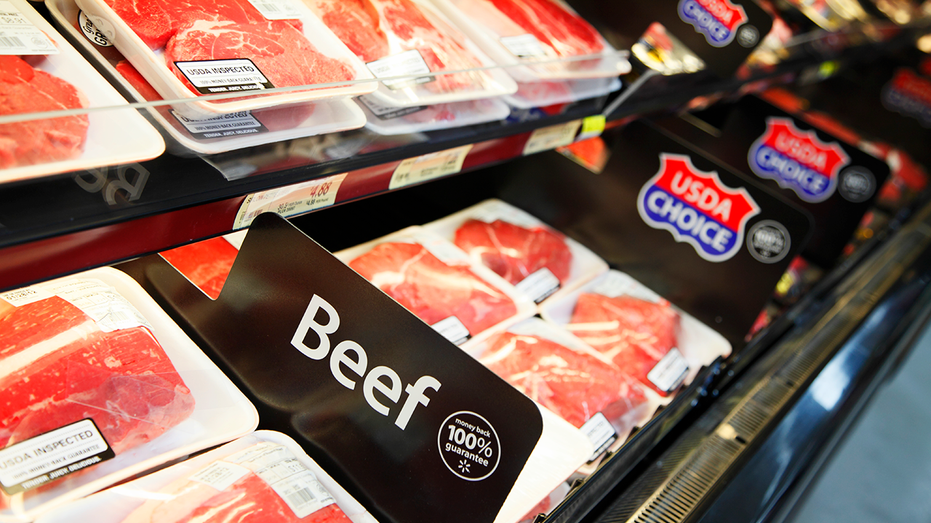
The products were distributed to distributors and retailers in Florida and Texas.(John Gress/Corbis / Getty Images)
FSIS expressed concern that some affected products might still reside in consumers’ refrigerators and freezers, underscoring the long tail of recall events. Consumers who have purchased these particular beef products are strongly advised not to consume them, but rather to dispose of them safely or return them to the place of purchase for a refund. This advisory is critical not only for individual safety but also for maintaining the integrity of the market, ensuring that non-compliant products are effectively removed from circulation.
CLICK HERE TO GET FOX BUSINESS ON THE GO
**Market Impact:**
This recall, stemming from a procedural lapse rather than direct contamination, will likely prompt heightened due diligence across the imported food sector, potentially increasing compliance costs for importers. While localized, it could foster a slight, immediate shift in consumer preferences towards domestic beef in Florida and Texas, impacting pricing power for imported cuts. The incident also reinforces the U.S.’s stringent food safety framework, serving as a cautionary tale that underscores regulatory authority and the critical importance of robust supply chain management for maintaining market access and consumer confidence in a globalized food economy.