
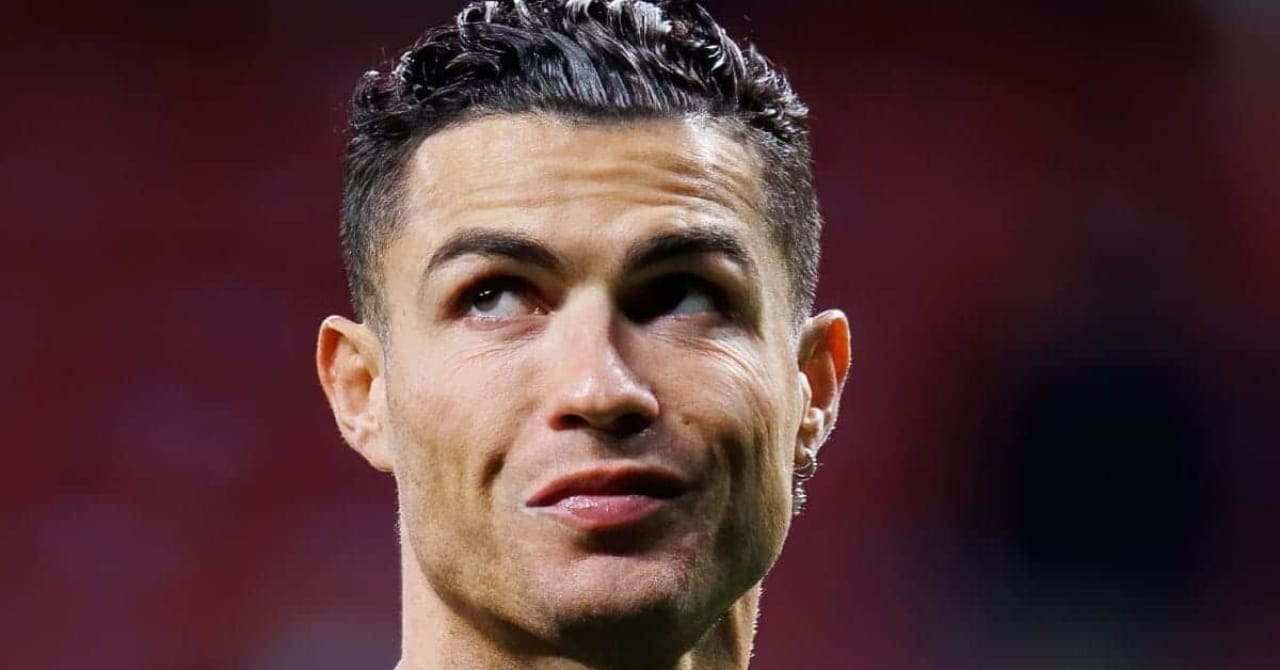
The roar of the crowd, the anticipation of greatness, the promise of a new era! Al-Nassr faithful, mark your calendars and ready your scarves, because the Saudi Pro League has dropped its opening bombshell: the full fixture list for the electrifying 2026/27 season is here, and it promises a campaign bristling with ambition, challenge, and the unyielding pursuit of glory.
After a 2025/26 season that saw Al-Nassr finish a respectable, yet ultimately disappointing, third – 13 points adrift of the champions Al-Ittihad – the Riyadh giants are not just looking to compete; they’re looking to dominate. This isn’t merely about challenging; it’s about reclaiming their rightful place at the summit of Saudi football, under the shrewd guidance of their new tactical mastermind, Ange Postecoglou.
The journey begins with a home opener against Al-Fateh, a side that knows all too well the devastating potency of Cristiano Ronaldo. The five-time Ballon d’Or winner, a living legend still defying Father Time, netted a stunning hat-trick across two league encounters against them last season. It’s a baptism by fire for the opposition, and a declaration of intent for Al-Nassr.
Ange Postecoglou: The Architect of Al-Nassr’s New Dawn
The arrival of Ange Postecoglou is arguably the most significant development ahead of this new campaign. The Australian tactician, with his captivating brand of high-octane, attacking football, is a proven winner. His brief but impactful stint at Nottingham Forest last season, following two transformative years at Spurs culminating in a Europa League triumph, speaks volumes of his pedigree. Postecoglou brings not just a philosophy, but a winning mentality – a crucial ingredient for a club with Al-Nassr’s lofty aspirations.
His “Angeball” system demands relentless pressing, fluid movement, and an unwavering commitment to offensive play. For a squad boasting the likes of Cristiano Ronaldo, such an approach could unlock unprecedented levels of goal-scoring prowess. The challenge for Postecoglou will be to integrate his demanding style with the existing star power, ensuring the collective thrives without stifling individual brilliance. This isn’t just a coaching change; it’s a strategic shift, designed to forge a cohesive, dominant unit capable of outmaneuvering any opponent.
Cristiano Ronaldo: The Unrelenting Goal Machine
Despite Al-Nassr’s third-place finish, Cristiano Ronaldo’s individual brilliance shone brighter than ever. He bagged a phenomenal 28 goals across just 30 league appearances last season, showcasing an unparalleled consistency and hunger. While he finished behind Julian Quinones (33 goals for Al-Qadsiah) and Ivan Toney (32 for Al-Ahli), Ronaldo’s impact extends far beyond mere statistics. His presence elevates the entire league, attracts global attention, and inspires his teammates.
Questions arose about his future earlier this year, with hints of dissatisfaction over perceived transfer inactivity. However, his swift contract extension, inked just a month after the 2025/26 season concluded – and significantly, after captaining Portugal to a Nations League triumph – solidifies his commitment. This isn’t a player winding down; this is a legend recharged, ready to lead the line with the same ferocious determination that has defined his illustrious career. For Al-Nassr to succeed, Ronaldo’s goal-scoring exploits will remain paramount, and under Postecoglou, he could find himself in even more potent positions.
Cristiano Ronaldo: Al Nassr Saudi Pro League Fixtures – The Road Ahead
The journey to potential glory is meticulously laid out. With kick-off times beyond Matchweek 6 still awaiting confirmation, the initial stretch of the season will be crucial for Al-Nassr to lay down a marker:
| Date | Opponents | Venue | BST start time | ET | PT |
|---|---|---|---|---|---|
| Sat, Aug 15 | Al Fateh | Home | 19:00 | 14:00 | 11:00 |
| Fri, Aug 21 | Al Riyadh | Away | 17:00 | 12:00 | 09:00 |
| Tues, Aug 25 | Al Ettifaq | Away | 19:00 | 14:00 | 11:00 |
| Fri, Aug 28 | Al Taawoun | Home | 19:00 | 14:00 | 11:00 |
| Sat, Sept 5 | Al Ittihad | Away | 19:00 | 14:00 | 11:00 |
| Weds, Sept 9 | Abha | Home | 19:00 | 14:00 | 11:00 |
| MW7 | Al Khaleej | Away | |||
| MW8 | Diriyah | Home | |||
| MW9 | Al-Ahli | Away | |||
| MW10 | Neom | Home | |||
| MW11 | Al Faysalyai | Away | |||
| MW12 | Al Kholood | Home | |||
| MW13 | Al Hazem | Away | |||
| MW14 | Al Qadsiyah | Home | |||
| MW15 | Al Shabab | Home | |||
| MW16 | Al Fayha | Away | |||
| MW17 | Al Hilal | Home | |||
| MW18 | Al Fateh | Away | |||
| MW19 | Al Riyadh | Home | |||
| MW20 | Al Ettifaq | Home | |||
| MW21 | Al Taawoun | Away | |||
| MW22 | Al Ittihad | Home | |||
| MW23 | Abha | Away | |||
| MW24 | Al Khaleej | Home | |||
| MW25 | Diriyah | Away | |||
| MW26 | Al Ahli | Home | |||
| MW27 | Neom | Away | |||
| MW28 | Al Faysaly | Home | |||
| MW29 | Al Kholood | Away | |||
| MW30 | Al Hazem | Home | |||
| MW31 | Al Qadsiyah | Away | |||
| MW32 | Al Shabab | Away | |||
| MW33 | Al Fayha | Home | |||
| MW34 | Al Hilal | Away |
Beyond the league, Al-Nassr also face Diriyah in the King Cup on August 18th at 18:00 BST (13:00 ET / 10:00 PT), an early opportunity to test their mettle in knockout football.
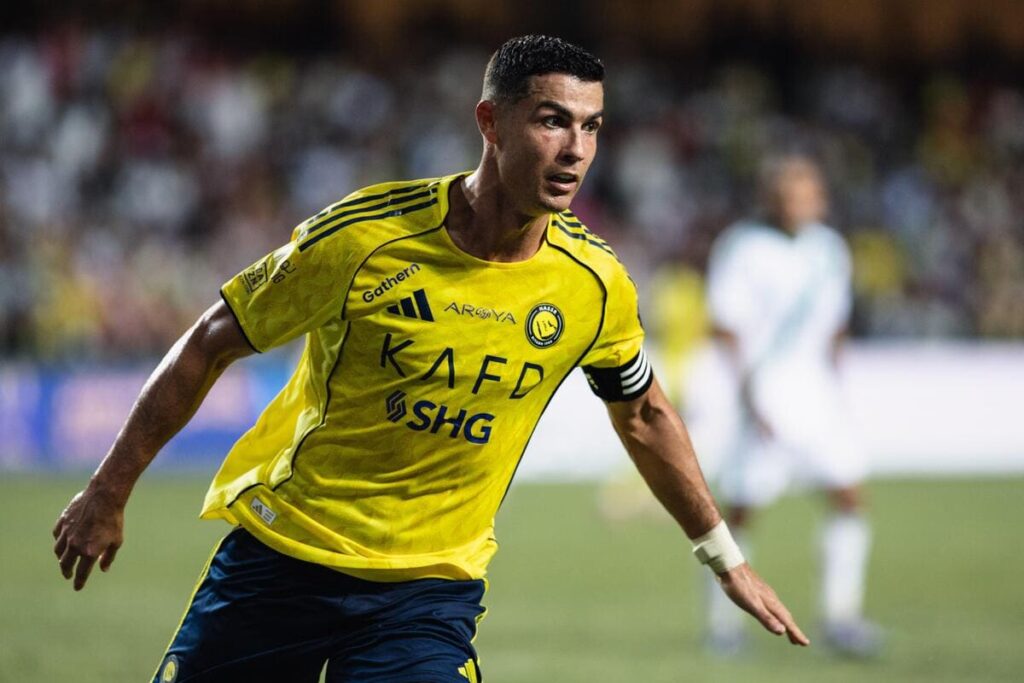
Game Highlights: Ronaldo’s Memorable Moments from 2025/26
While the full story of 2025/26 ended in third, Cristiano Ronaldo delivered moments of pure, unadulterated brilliance. Here are just a few glimpses of the magic he conjured:
- Al-Fateh Blitz (Matchweek 3):In a thrilling 4-2 victory, Ronaldo showcased his predatory instincts with a stunning hat-trick. His first was a powerful header, followed by a clinical penalty. The third, a moment of individual genius, saw him ghost past two defenders before unleashing an unstoppable shot into the top corner, sending the home crowd into raptures.
- Derby Day Drama (vs. Al-Hilal, Matchweek 17):With Al-Nassr trailing 1-0 in the Riyadh Derby, Ronaldo stepped up in the 88th minute. Receiving the ball on the edge of the box, he executed a lightning-fast one-two, broke through the defense, and slotted home the equalizer, rescuing a vital point and igniting the rivalry further.
- The Unbelievable Volley (vs. Al-Taawoun, Matchweek 25):Demonstrating his incredible athleticism, Ronaldo scored a goal that defied gravity. Meeting a cross from the left flank, he adjusted his body mid-air to connect with a bicycle kick that left the goalkeeper rooted to the spot. It was a goal that instantly went viral, reminding everyone of his enduring acrobatic prowess.
- Leadership Under Pressure (King Cup Quarter-Final):In a tense King Cup quarter-final against Al-Ahli, Ronaldo converted the decisive penalty in a shootout after a grueling 120 minutes. His composure and leadership in that high-stakes moment were pivotal in securing Al-Nassr’s progression.
Saudi Pro League Fixtures 2026/27: Navigating the Tier System
The Saudi Pro League’s innovative tier system, designed to “avoid prolonged sequences against the strongest opposition,” adds an intriguing layer of strategic complexity. Al-Nassr finds itself squarely in Level A, alongside fierce rivals Al Hilal, Al Ahli, Al Qadsiah, and Al Ittihad. This means no back-to-back clashes with fellow top-tier contenders, which could help manage player fatigue and tactical preparation over a demanding season.
Level A:Al Nassr, Al Hilal, Al Ahli, Al Qadsiah, Al Ittihad
Level B:Al Taawoun, Al Ettifaq, Al Fateh, Al Khaleej, Al Shabab
Level C:NEOM, Al Hazem, Al Fayha, Al Kholood
Level D:Al Riyadh, Abha, Al Faisal, Diriyah
While this system aims for balance, it also means Al-Nassr will constantly be challenged, facing a rotating cast of formidable opponents followed by those from lower tiers. Consistency against all levels will be paramount for any title contender.
Where to Watch the Saudi Pro League: Global Access to the Spectacle
The global phenomenon that is the Saudi Pro League continues to expand its reach. Fans in the UK can catch all the thrilling action live on DAZN, available for £15.99 a month, with live streaming conveniently accessible via the DAZN app. For those who prefer a broader view, the official Saudi Pro League YouTube channel also provides coverage of select matches and comprehensive highlights. Across the Atlantic, FOX Sports remains the dedicated live broadcaster for the Saudi Pro League in the US, ensuring fans don’t miss a single moment of the high-stakes drama. For international viewers, a comprehensive list of broadcasters can be found on the Saudi Pro League’s official broadcaster page.
Season Kick-off and Grand Finale
The 2026/27 Saudi Pro League season kicks off on August 13, 2026, promising nine months of exhilarating football before culminating on May 29, 2027. It’s a marathon, not a sprint, and every point will count in the relentless pursuit of silverware.
Cristiano Ronaldo: A Global Icon’s Enduring Value
Ronaldo’s financial stature remains as monumental as his on-field achievements. Consistently ranked among the highest-earning athletes globally, his reported £177 million annual salary at Al-Nassr, a blend of football earnings and lucrative commercial endorsements, underscores his colossal market value. With deals ranging from Whoop to UFL and Binance, Ronaldo is not just a player; he’s a brand, a global ambassador whose presence transcends the pitch, bringing unprecedented visibility and commercial opportunities to the Saudi Pro League.
Cristiano Ronaldo: Commitment Renewed, Ambitions Reignited
Despite finishing third last season, Ronaldo’s commitment to Al-Nassr was reaffirmed with a new contract, silencing any whispers of a premature departure. This fresh agreement signals his unwavering dedication to the club’s vision and his personal quest for more trophies. Having won the Nations League with Portugal shortly after, Ronaldo’s competitive fire burns as brightly as ever. His three-match absence earlier this year, reportedly due to discontent over transfer activity, highlights his desire for a strong, winning team. With Postecoglou at the helm and a renewed focus, this season presents the perfect platform for Ronaldo to lead Al-Nassr back to the pinnacle of Saudi football.
Prediction: A Season of Triumph for Al-Nassr
The pieces are in place. With Ange Postecoglou’s dynamic tactical approach, Cristiano Ronaldo’s undiminished goal-scoring prowess, and a clear hunger within the squad to overcome last season’s third-place finish, Al-Nassr are poised for a phenomenal campaign. The early fixtures are challenging, but the tier system ensures a strategic balance. While Al Hilal and Al Ittihad will remain formidable rivals, the blend of an elite manager and a motivated superstar will prove irresistible. I predict Al-Nassr will not only challenge fiercely for the Saudi Pro League title but will ultimately emerge as champions of the 2026/27 season, potentially adding a domestic cup to their trophy cabinet. The King Cup is also a very real possibility, making it a double-winning season for the Riyadh giants. The era of ‘Angeball’ with Ronaldo leading the charge is set to be a spectacle of success.