
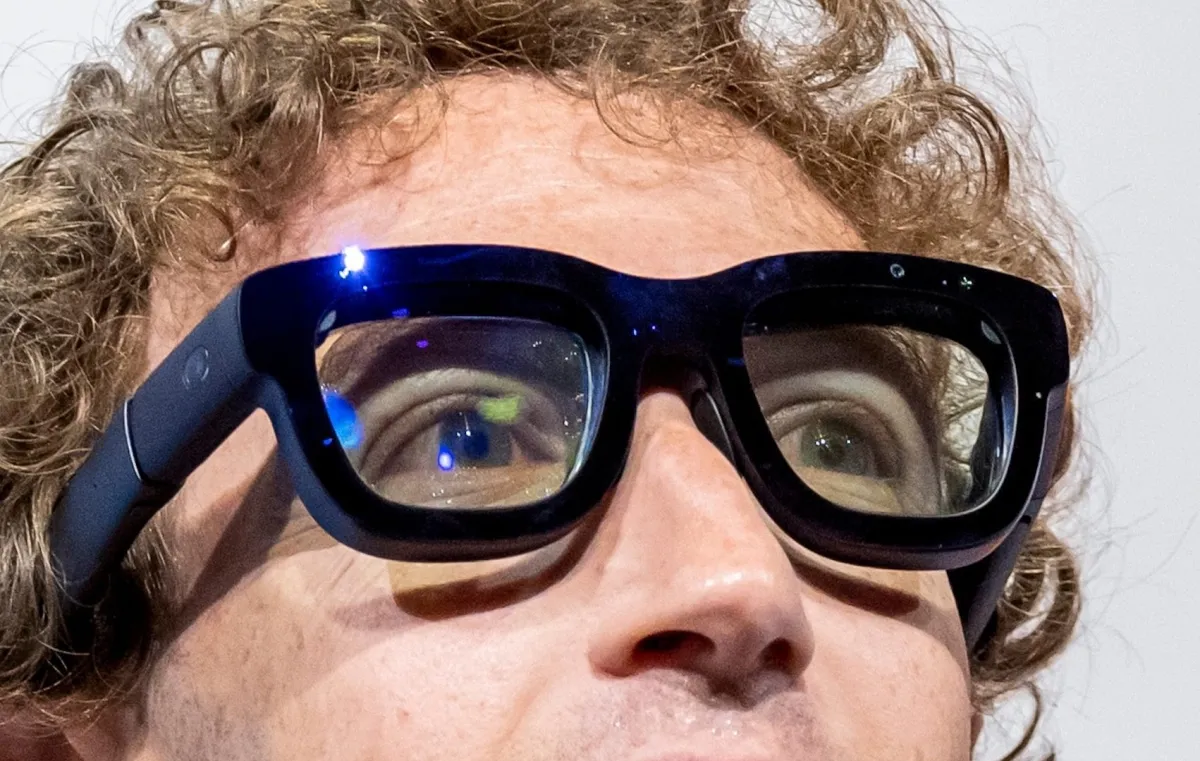
Norway is considering a ban on smart glasses and other camera-enabled wearable headsets as it seeks to regulate the controversial technology amid privacy concerns.
Key Takeaways
- Norway Eyes Wearable Tech Ban:The Nordic nation is seriously considering prohibiting camera-enabled smart glasses and similar devices in public, driven by escalating privacy fears over ubiquitous recording and potential facial recognition.
- Proactive Regulation of AI & Cameras:Digital Minister Karianne Tung emphasizes the urgent need to preemptively regulate the convergence of AI, cameras, and microphones in everyday wearables to prevent widespread public monitoring and protect fundamental privacy rights.
- Global Precedent in Privacy:Norway’s bold move highlights a growing international debate on how to balance technological innovation with ethical considerations and personal privacy, potentially setting a significant precedent for how other countries might approach future-forward surveillance challenges.
In an increasingly connected world where technology continually blurs the lines between personal and public, Norway is stepping onto the global stage with a bold declaration: the era of “always-on” wearable surveillance might be facing its first significant legislative roadblock. The Scandinavian nation is currently weighing a potential ban on smart glasses and other camera-enabled wearable headsets, a move that signals a growing international urgency to regulate controversial technologies that threaten individual privacy. This deliberation, spearheaded by Norway’s digital minister, Karianne Tung, underscores a critical juncture in the evolution of wearable tech and the societal response to its pervasive capabilities. It asks fundamental questions about who controls our public image and what boundaries technology should respect.
The core of Norway’s concern revolves around the rapid advancement and seamless integration of technologies like those from Meta (Ray-Ban Meta Smart Glasses) and Snap (Spectacles). These devices, which effortlessly blend cameras, microphones, and internet connectivity into everyday items like glasses, headphones, and even hats, are on the cusp of incorporating advanced features such as real-time facial recognition and sophisticated AI-powered analysis. This technological convergence has ignited a firestorm of protest from civil liberties advocates worldwide, who warn of the profound implications for personal privacy, the erosion of public anonymity, and the potential for persistent, unwanted data collection. The devices have already earned the moniker “pervert glasses” among some consumers, a label reflecting significant public apprehension and backlash against their perceived intrusive nature.
Minister Tung articulated the Norwegian government’s apprehension with clarity and foresight, noting a “clear trend toward combining artificial intelligence with cameras and microphones built into glasses, headphones, hats and other objects we use in everyday life.” Her statement highlights a proactive stance, looking beyond current capabilities to the intelligent data collection and analysis, powered by AI, that these devices will soon enable. “We must prevent this equipment from being used to monitor other people in public places,” Tung asserted, emphasizing the preventative measure Norway intends to take. This could specifically target and ban the use of facial recognition technology on others in public spaces—a capability often touted by manufacturers as a future feature for enhanced user experience, but simultaneously viewed as a grave threat to privacy by critics who foresee a world where every face is an identifiable data point.
To navigate this complex ethical and technological landscape, Tung plans to establish a dedicated group of experts. This advisory body will be tasked with providing comprehensive recommendations to the government on how best to safeguard people’s privacy rights in an age of ubiquitous, camera-enabled wearables. Their work will undoubtedly inform future legislation, potentially setting a benchmark for how other nations might approach similar challenges. The outcome of these deliberations could significantly impact the design and deployment of future wearable technologies, forcing manufacturers to prioritize privacy-by-design principles over unfettered functionality and to consider the broader societal impact of their innovations.
The debate extends far beyond Norway’s borders. The European Union, with its robust General Data Protection Regulation (GDPR) and recent AI Act, has consistently championed data privacy and ethical technology, and Norway’s potential ban aligns closely with this broader regional philosophy. While smart glasses promise a future of enhanced accessibility, instant information recall, and seamless communication, their intrusive potential presents a formidable challenge to existing social norms and legal frameworks. The ability to covertly record, identify, and track individuals without their explicit knowledge or consent transforms public spaces from arenas of shared experience into potential surveillance zones. This raises fundamental questions about consent in public, the right to anonymity, and the inherent power dynamics between individuals and those equipped with such advanced recording tools. The very definition of what constitutes a ‘public space’ is being reshaped by these technologies.
Critics argue that the technology, even when used with good intentions, creates a chilling effect, where people become more guarded and self-conscious in public, fearing they might be unknowingly recorded, identified, and their data collected. The concern isn’t just about malicious actors; it’s about the erosion of trust and the fundamental shift in societal interaction when everyone could be a potential recorder or data collector. The “pervert glasses” moniker isn’t merely a sensationalist term; it encapsulates a deep-seated fear of misuse, voyeurism, and the potential for these devices to facilitate harassment, unwelcome scrutiny, or even the weaponization of personal data. This apprehension is compounded by the ease with which recorded content can be shared and disseminated across the internet, making any captured moment potentially permanent and irreversible.
For tech companies, a ban or strict regulation in a forward-thinking market like Norway could serve as a significant wake-up call. It forces a fundamental re-evaluation of product development strategies, potentially pushing innovators to design devices with clearer visual indicators of recording, or even geo-fencing capabilities that automatically disable recording in sensitive public areas. The tension lies in balancing rapid innovation with ethical responsibility. While Silicon Valley often champions agile deployment and iterative improvement, governments worldwide are increasingly asserting their role in defining the ethical boundaries of technological progress, particularly when it intersects with fundamental human rights like privacy and the collective right to un-monitored public life.
Norway’s initiative could well be a bellwether for future global regulatory trends. As augmented reality (AR) and mixed reality (MR) devices become more sophisticated, discreet, and ubiquitous, the questions raised by smart glasses will only intensify. The discussion around these wearables is not just about a specific product category; it’s a proxy for a larger societal conversation about digital ethics, the limits of corporate power in data collection, and the role of the state in protecting its citizens from technological overreach. The outcome of Norway’s expert group’s recommendations and subsequent legislative actions will be keenly watched by privacy advocates, tech giants, and governments alike, as the world grapples with defining the digital boundaries of our collective future and safeguarding the sanctity of personal space in an ever-connected world.
Bottom Line
Norway’s proactive consideration of a ban on camera-enabled smart wearables marks a pivotal moment in the global debate over technology, privacy, and public space. By seeking to regulate the convergence of AI and ubiquitous recording devices, the nation is asserting a fundamental right to anonymity and protection from pervasive surveillance. This move challenges tech developers to innovate responsibly and compels governments worldwide to establish clear ethical guardrails, ensuring that the promise of advanced technology does not come at the irreparable cost of individual liberty and the invaluable freedom of un-monitored public life.
Source:{feed_title}