
**Minneapolis, Minnesota** – Multiple individuals, including two police officers, sustained injuries in a shooting incident that occurred in downtown Minneapolis on Wednesday afternoon, according to official statements. The event prompted an immediate and substantial emergency response and calls for the public to avoid the affected area.
The shooting was initially reported at approximately [Insert Time if Known, e.g., 2:00 PM local time] near 15 East Grant Street. This location is situated within a densely populated urban segment of Minneapolis, specifically in the vicinity of an apartment building. The area is notable for its proximity, roughly a half-block, to the Minneapolis Convention Center, a major hub for conferences and events. Geographically, the incident unfolded within the Loring Park neighborhood, which is located on the southern edge of downtown Minneapolis, as detailed by various local news organizations following the developing situation.
Following the initial reports, city officials swiftly issued advisories urging residents and visitors to steer clear of the designated zone. This directive is a standard protocol in unfolding emergency situations, aimed at ensuring public safety, facilitating the operations of first responders, and containing any potential ongoing threats.
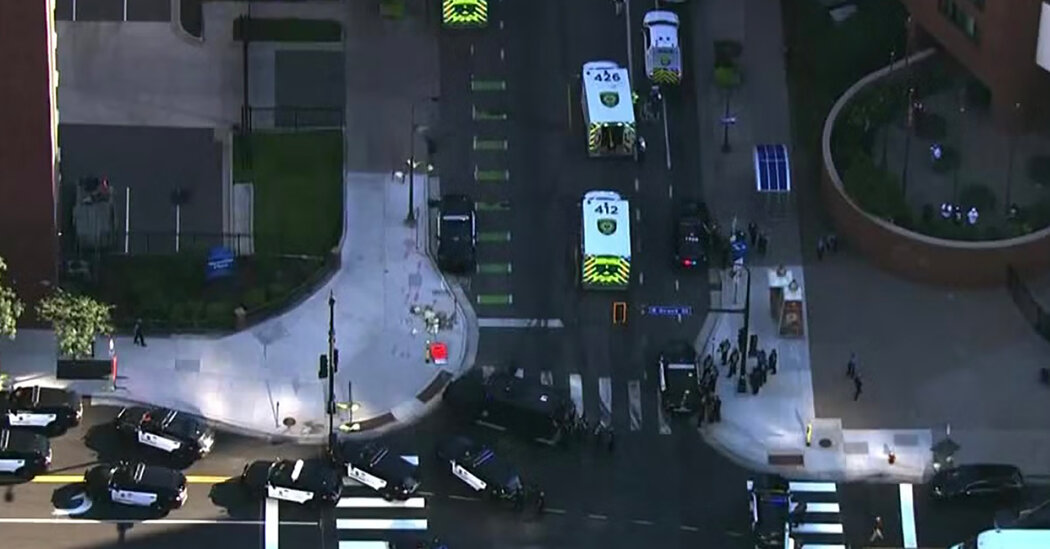
Visual information from the scene, including aerial footage broadcast by local media outlets such as KARE-TV, which serves Minneapolis and St. Paul, depicted a significant and visible law enforcement presence. The footage showed numerous police vehicles, emergency personnel, and a perimeter established around the intersection where the shooting took place. Such a large-scale deployment underscores the serious nature of the incident and the coordinated efforts to address the situation, secure the area, and attend to the injured.
Minnesota Governor Tim Walz acknowledged the incident publicly, utilizing the social media platform X (formerly Twitter) to inform the public of the state’s engagement. Governor Walz stated that his “public safety team is responding to a shooting that took place downtown Minneapolis this afternoon.” This indicates a rapid mobilization of state-level resources to augment local efforts.
Further clarifying the state’s involvement, the Governor added, “State officials are on the ground to support local law enforcement.” This commitment highlights the layered response mechanism typical in major incidents, where state agencies often provide supplementary resources, expertise, and coordination to municipal police departments. Governor Walz concluded his statement by assuring the public that “we will share more information as it becomes available,” emphasizing the dynamic nature of the event and the ongoing efforts to gather definitive facts.
As of the latest updates, details regarding the precise circumstances of the shooting, the condition of the injured officers and civilians, and any potential suspects or arrests remain limited. Authorities are expected to provide further briefings as their investigation progresses and more verified information becomes available to the public.
This report is based on initial official statements and local media coverage. It is a developing story, and further updates will be provided as facts are confirmed.
Why This Matters
The shooting incident in downtown Minneapolis carries significant implications across several dimensions, extending beyond the immediate tragedy of injuries. Such events resonate deeply within communities and often spark broader conversations about public safety, law enforcement, and societal challenges.
**Public Safety and Community Impact:** A shooting in a downtown urban area, particularly one near major landmarks like the Minneapolis Convention Center, can profoundly disrupt a community’s sense of security. Residents, workers, and visitors alike may experience increased anxiety and fear. Downtown areas are vital economic and social centers; incidents of violence can deter foot traffic, impact local businesses, and affect the overall vibrancy and livability of the city core. The immediate advisories for people to avoid the area underscore the disruption and the perceived threat to public safety, creating a ripple effect across daily routines.
**The Role and Safety of Law Enforcement:** The fact that two police officers were among the injured highlights the inherent dangers faced by those tasked with maintaining public order and responding to emergencies. It serves as a stark reminder of the risks law enforcement personnel undertake daily, often putting themselves in harm’s way to protect others. Such incidents can galvanize support for police while also intensifying discussions about officer training, equipment, and the resources allocated to protect those who serve.
**Urban Violence in a National Context:** This event occurs against a backdrop of ongoing concerns about gun violence in urban centers across the United States. While the specifics of this incident are still emerging, any confirmed act of gun violence contributes to the broader national discourse on firearms regulation, mental health support, crime prevention strategies, and socioeconomic factors that may contribute to such occurrences. Minneapolis, like many major U.S. cities, has grappled with fluctuations in crime rates, and incidents like this bring these issues to the forefront once more.
**Official Response and Governance:** The swift response from both city and state officials, including Governor Walz, demonstrates the importance of coordinated governance in crisis management. The state’s pledge to support local law enforcement is crucial for resource allocation, investigative capabilities, and reassuring the public that all levels of government are engaged. How authorities communicate information, manage the crisis, and ensure accountability will be closely watched and will influence public trust.
**Economic and Social Repercussions:** In the short term, cordoning off a downtown area can lead to significant economic disruption, affecting businesses, commuters, and planned events. In the longer term, recurring or high-profile incidents of violence could impact tourism, investment, and urban development initiatives. On a social level, such events can exacerbate divisions or, conversely, foster community solidarity and resilience as residents seek to understand and recover.
**Media and Information Dissemination:** In an era of rapid information flow, the role of clear, objective, and timely reporting becomes paramount. Local and national media play a critical role in informing the public, dispelling rumors, and holding officials accountable. As a developing story, the emphasis on factual verification and avoiding speculation is crucial to prevent misinformation and undue alarm.
Ultimately, this incident in Minneapolis is not just a localized crime but a reflection of complex challenges facing modern societies. Its resolution, the subsequent investigations, and the community’s response will provide important insights into the ongoing efforts to ensure safety and foster resilience in urban environments.