
The U.S. Space Force is actively exploring avenues to transfer its extensive experience in national security space launch to international partners, as allies increasingly seek to establish their own sovereign military space launch capabilities. This initiative aims to assist nations in developing self-sufficient access to space for defense and other strategic purposes.
In a recent notice to industry issued on September 3, the Space Force revealed its intent to utilize a specialized type of foreign military sales (FMS) agreement known as a technical service case. This mechanism facilitates the sharing of advanced U.S. expertise with foreign partners. While the specific country remains unnamed, the Space Force indicated that the nation is interested in acquiring comprehensive engineering, logistical, and technical assistance. This support would enable the establishment of a domestic space launch service, modeled on the U.S. National Security Space Launch (NSSL) program, utilizing a U.S. commercial launch vehicle and developing the necessary spaceport infrastructure.
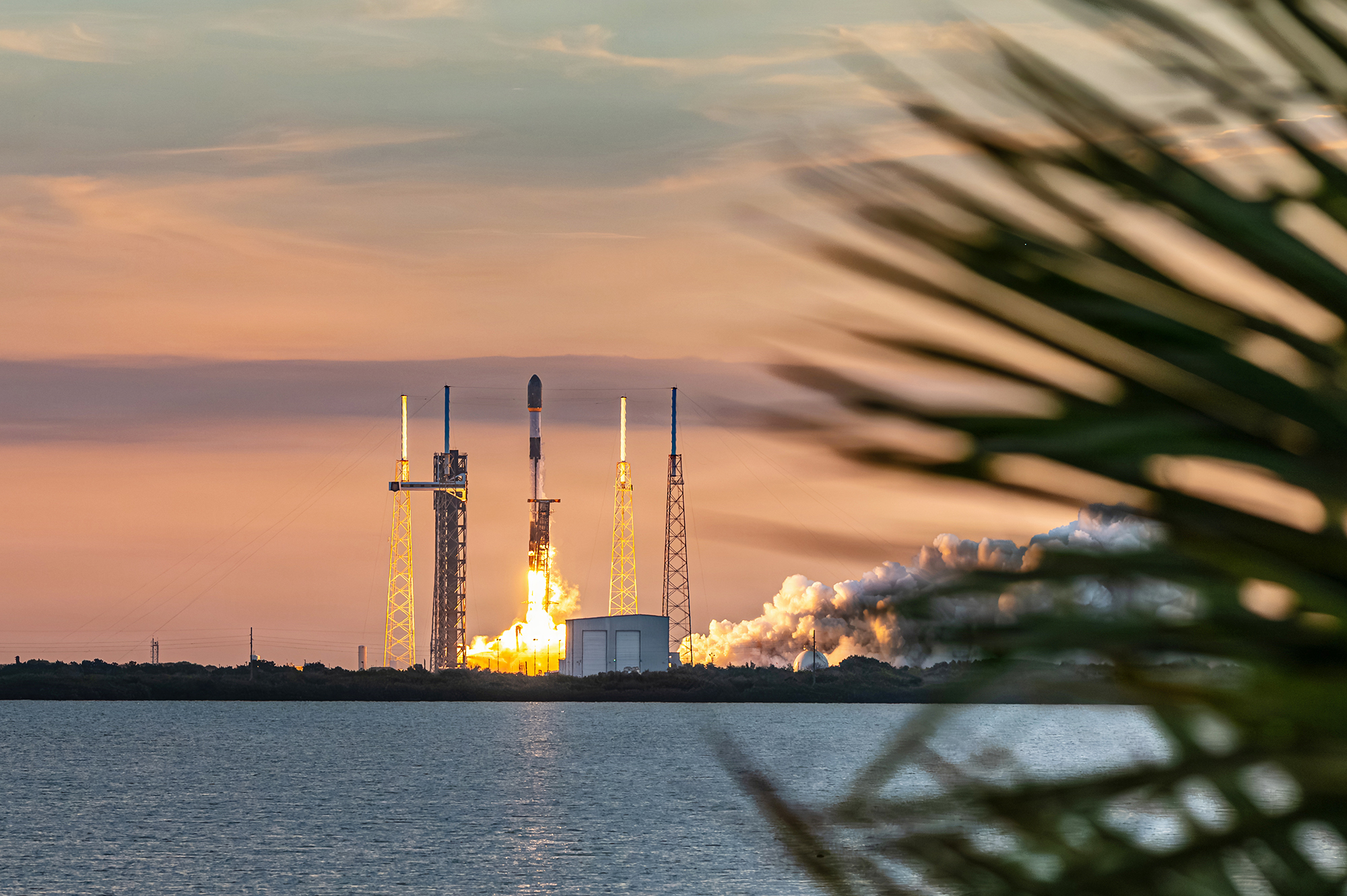
The United States stands as the dominant force in global space launch, with analytics and engineering firm BryceTech projecting that the U.S. will conduct nearly 60 percent of all launches worldwide in 2025. This leadership is underpinned by robust infrastructure, including the two busiest U.S. ranges operated by the Space Force: Cape Canaveral Space Force Station in Florida and Vandenberg Space Force Base in California. These two spaceports collectively supported 175 launches last year, and the White House has set an ambitious target of 1,000 U.S. launches annually by 2030, underscoring the nation’s unparalleled experience in space operations.
This U.S. initiative comes at a time when many allies are re-evaluating their defense expenditures and strategic capabilities. Following a push from the previous U.S. administration for partner nations to increase annual defense spending, several countries have announced significant increases in military space funding. These investments are directed not only towards space systems themselves but also towards developing indigenous launch capabilities. In Europe, nations such as Germany, Spain, the United Kingdom, and Italy have all committed funding to domestic rocket development programs, signaling a collective desire for greater autonomy in space access.
Across the Atlantic, Canadian lawmakers in April proposed a new regulatory framework to establish the country’s own space launch capabilities. For years, Canada has relied on the U.S. and other international partners to reach orbit. Canadian Transport Minister Steven MacKinnon, who introduced the Canadian Space Launch Act, articulated the strategic rationale behind this shift in an April 21 statement. “In a more uncertain and competitive world, Canada cannot rely on others to secure access to space for our economy, our defense, and our future,” MacKinnon stated. He further emphasized the potential benefits, asserting that “establishing Canadian sovereign space launch capabilities would drive billions in investments, create good paying jobs, increase Canada’s sovereignty, reduce our economy’s reliance on the United States, and support a commercial space launch and re-entry industry that could be worth $40 billion.”
To address the FMS request from its unnamed ally, the Space Force plans to select a contractor. This contractor will be tasked with tailoring U.S. best practices in launch and spaceport operations to meet the specific requirements of the partner country. Their role will also involve evaluating the suitability of various U.S. commercial launch vehicles and spaceport operators for the ally’s needs. Furthermore, the contractor will be responsible for recommending a comprehensive mission assurance approach, specifically adapted to the country’s operational context. This critical work will be conducted in collaboration with Space Systems Command’s portfolio acquisition executive for space access, culminating in a detailed report compiling all data and findings.
The Space Force anticipates awarding this contract by September 25, with the expectation that the final report will be compiled within 12 months. This timeline highlights the urgency and strategic importance placed on assisting allies in achieving space independence.
While the current effort focuses on helping partners develop their sovereign launch capabilities, the U.S. Space Force is also simultaneously considering options for launching its own payloads from foreign soil. Although this specific initiative does not directly address that reciprocal goal, Space Force officials have previously indicated potential opportunities for collaboration with nations like Australia, New Zealand, Japan, and several European countries. However, such reciprocal arrangements would necessitate addressing and overcoming existing U.S. policy hurdles before they could be fully implemented.
Why This Matters
The U.S. Space Force’s initiative to assist allies in establishing sovereign military space launch capabilities marks a significant evolution in global space policy and international defense cooperation. This shift has multifaceted implications for national security, economic development, and the geopolitical landscape of space.
For U.S. allies, achieving sovereign space launch capabilities offers profound benefits. Foremost among these is enhanced national security and resilience. By reducing reliance on other nations for critical space access, allies gain the ability to launch their own defense, intelligence, and communication satellites on demand, ensuring uninterrupted access to space in times of crisis or conflict. This independence fortifies their strategic autonomy, allowing them to pursue national interests more effectively and contribute more robustly to collective security efforts. Economically, the development of domestic space launch infrastructure can stimulate substantial growth, as highlighted by Canada’s projected $40 billion industry. It fosters job creation, drives technological innovation, attracts investment, and cultivates a highly skilled workforce, establishing new sectors of economic activity.
For the United States, this program serves several key strategic objectives. Firstly, it strengthens alliances by demonstrating a concrete commitment to shared security interests and burden-sharing. Equipping allies with self-sufficient space capabilities reduces the operational burden on the U.S. and promotes greater interoperability within coalition forces. Secondly, it can expand the market for U.S. commercial space companies, as the program specifies the use of U.S. commercial launch vehicles and expertise. This aligns with broader U.S. efforts to bolster its private space industry and maintain its competitive edge. Furthermore, the knowledge transfer fosters a deeper relationship and trust, potentially paving the way for reciprocal agreements where the U.S. might leverage allied launch sites, diversifying its own launch options and enhancing global launch flexibility, pending the resolution of policy challenges.
Globally, this initiative contributes to a more decentralized and resilient space ecosystem. As more nations gain independent access to space, the concentration of launch capabilities in a few countries diminishes, potentially reducing single points of failure and increasing the overall robustness of global space operations. However, it also raises questions about the proliferation of space technology and the need for clear international norms and regulations governing its use. The sharing of U.S. best practices, including mission assurance, is crucial in ensuring that this expansion of capabilities occurs responsibly and safely.
In essence, the Space Force’s program is not merely about launching rockets; it is about projecting influence, strengthening partnerships, diversifying global space capabilities, and adapting to a rapidly evolving geopolitical environment where access to space is increasingly recognized as a critical component of national power and economic prosperity.