
Key Takeaways:
- Conversational AI Editing Unveiled:YouTube is launching an AI-powered conversational editing tool, designed to streamline video production for both long-form content and Shorts.
- Drastic Time Savings Promised:The new feature aims to significantly reduce the hours spent on post-production, transforming editing into an interactive, natural language dialogue with an “infinitely patient helper.”
- Creator Control vs. Efficiency Debate:While promising unprecedented efficiency, the tool sparks discussion among creators regarding the balance between leveraging AI for speed and maintaining their unique artistic style and full creative control.
At its recent Made On YouTube event, the platform unveiled a suite of new creator tools, with a particular spotlight on a revolutionary conversational editing tool. This innovation, leveraging natural language processing, promises to redefine how creators approach both long- and short-form video production, shifting the paradigm from manual labor to AI-assisted collaboration.
The Burden of the Edit: A Problem Solved by AI?
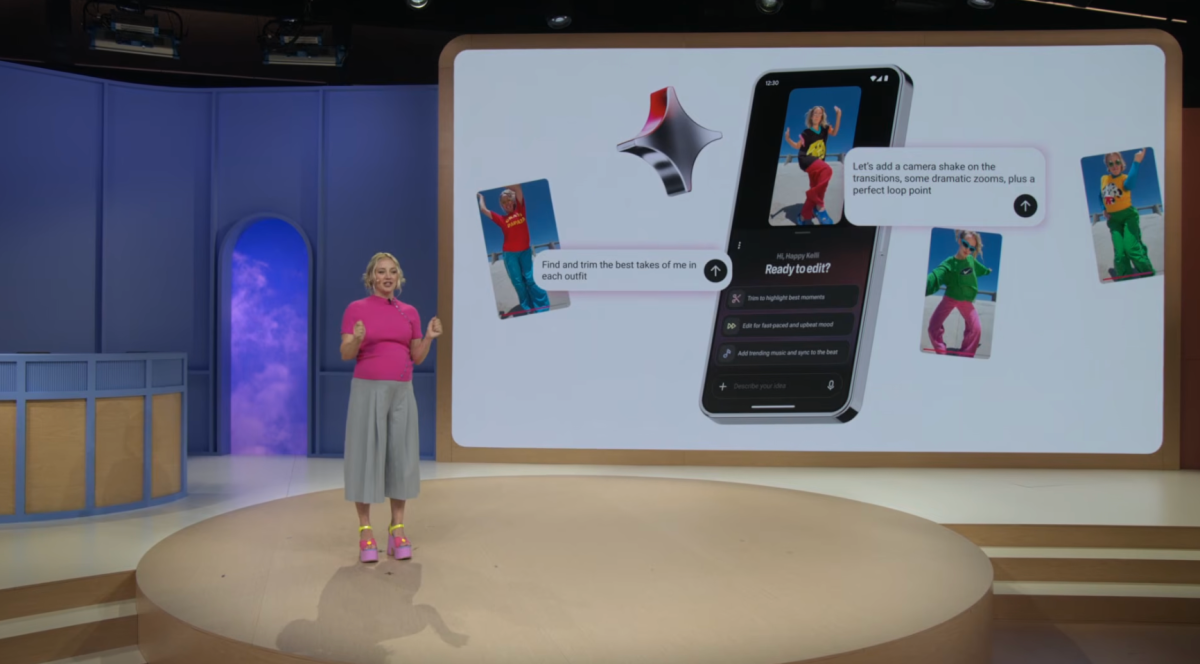
For many content creators, the glamour of filming quickly gives way to the grueling reality of post-production. As veteran YouTuber Happy Kelli eloquently put it on stage, “A one-hour shoot can be 10 hours or more in the edit. So, what if we could speed that process along without sacrificing any of our creative control?” This sentiment resonates deeply within the creator community, where hours are often lost to tedious tasks like scrubbing through footage, cutting out pauses, adding transitions, and fine-tuning every frame.
YouTube’s new conversational editing tool directly addresses this pain point. Imagine an editing suite where you don’t click, drag, or keyframe, but simply *talk* to your software. This is the core premise: a chat interface where creators can issue instructions in plain English, guiding an AI assistant through the editing process. It’s designed to be intuitive, accessible, and, most importantly, a massive time-saver.
How Conversational Editing Transforms Workflow
The demonstration by Happy Kelli offered a compelling glimpse into this future workflow. She showcased footage of herself dancing in various outfits, then engaged the AI with a simple command: “Select the best take for each outfit.” The AI, understanding the context and intent, swiftly presented curated selections. Building on this, Kelli then instructed the AI to “add music and transitions that go along with the dance,” turning raw footage into a polished sequence with remarkable ease.
The power of this tool lies in its ability to interpret nuanced instructions and execute complex editing tasks autonomously. It’s not just about simple cuts; the AI can perform a range of functions including adding text overlays, removing awkward pauses in speech, and even making proactive suggestions to the creator based on the ongoing conversation and the video’s context. This proactive assistance could guide creators toward more dynamic edits or suggest elements they might not have considered, acting as a true creative partner.
Crucially, YouTube emphasizes that this AI is a collaborator, not a dictator. Happy Kelli affirmed, “If at any point I want even more control, I can jump back into the editing timeline and manually adjust things myself.” This ensures that while the AI handles the heavy lifting, the creator retains the final say and the ability to inject their unique stylistic flair. It’s an “infinitely patient helper,” as Kelli described it, a partner that “edits with you, not for you.” This balance is key to its potential adoption, assuaging fears of complete automation overriding individual artistry.
The Creator Conundrum: Efficiency vs. Artistic Expression
The introduction of conversational editing presents a fascinating dichotomy for the creator community. On one hand, the promise of drastically reduced editing times is undeniably appealing. For busy creators, small businesses, or those just starting out, this tool could democratize video production, lowering the barrier to entry significantly. It frees up valuable time that can be reinvested into brainstorming new content ideas, engaging with audiences, or simply achieving a healthier work-life balance.
The ability to generate polished videos more quickly could also lead to an increase in content volume and consistency, both critical factors for growth on platforms like YouTube. New creators, intimidated by complex editing software, might find this conversational approach incredibly empowering, allowing them to focus on storytelling rather than mastering intricate technical skills.
However, the flip side of this efficiency coin raises valid questions about creative control and the homogenization of content. Many creators pride themselves on their distinctive editing style—the specific rhythm of their cuts, the unique transitions, their particular use of color grading or sound design. These elements are often what set their videos apart and contribute to their unique brand identity. The concern is that an AI, even a highly sophisticated one, might struggle to replicate or even understand these subtle artistic nuances, potentially leading to a more generic “AI-edited” look and feel across the platform.
There’s also the question of what happens when creators become overly reliant on AI. Could it stifle human ingenuity or lead to a decline in traditional editing skills? While the option to jump back into the manual timeline exists, the temptation to let the AI do most of the work will be strong. This isn’t just a technical shift; it’s a philosophical one, asking creators to reconsider their relationship with their craft.
YouTube’s Broader AI Vision
This conversational editing tool is not an isolated development but rather a significant piece of YouTube’s broader strategy to integrate artificial intelligence across its platform. YouTube, like many tech giants, is heavily investing in AI to enhance user experience, improve content moderation, and crucially, empower creators. By providing tools that make content creation faster and more accessible, YouTube aims to keep creators engaged and producing high-quality content, ultimately driving viewership and platform growth. This move signals a future where AI acts as a ubiquitous assistant throughout the content lifecycle, from ideation to distribution.
Availability and the Road Ahead
Creators eager to experience this new workflow will need to exercise some patience. The conversational editing feature is slated for availability in early 2027, launching for both YouTube Shorts and as part of the broader YouTube Create app. This timeline suggests YouTube is committed to rigorous testing and refinement, ensuring the tool is robust and intuitive upon release. Until then, creators can continue to hone their traditional editing skills or experiment with existing AI-assisted tools that offer a glimpse into the future of content production.
The intervening years will likely see continued discussions and debates within the creator community, as they grapple with the implications of such powerful AI tools. How will they adapt their workflows? How will they balance efficiency with the preservation of their unique artistic voice? The answers will shape the next era of online video.
The Bottom Line:
YouTube’s conversational AI editing tool represents a monumental leap forward in content creation, promising to drastically cut down on post-production time and open up video creation to a wider audience. While its potential for efficiency and accessibility is undeniable, it also ignites a critical conversation about the future of creative control, individual artistic expression, and the evolving partnership between human ingenuity and artificial intelligence. As creators prepare for its 2027 debut, the challenge will be to harness this powerful technology as an amplifier of creativity, rather than a homogenizer of art, ensuring that human vision remains at the heart of every story told on YouTube.
When you purchase through links in our articles, we may earn a small commission. This doesn’t affect our editorial independence.
{content}
Source:{feed_title}