
## A Stealthy Leviathan Surfaces: UK’s Bold Signal with Armed Submarine Disclosure
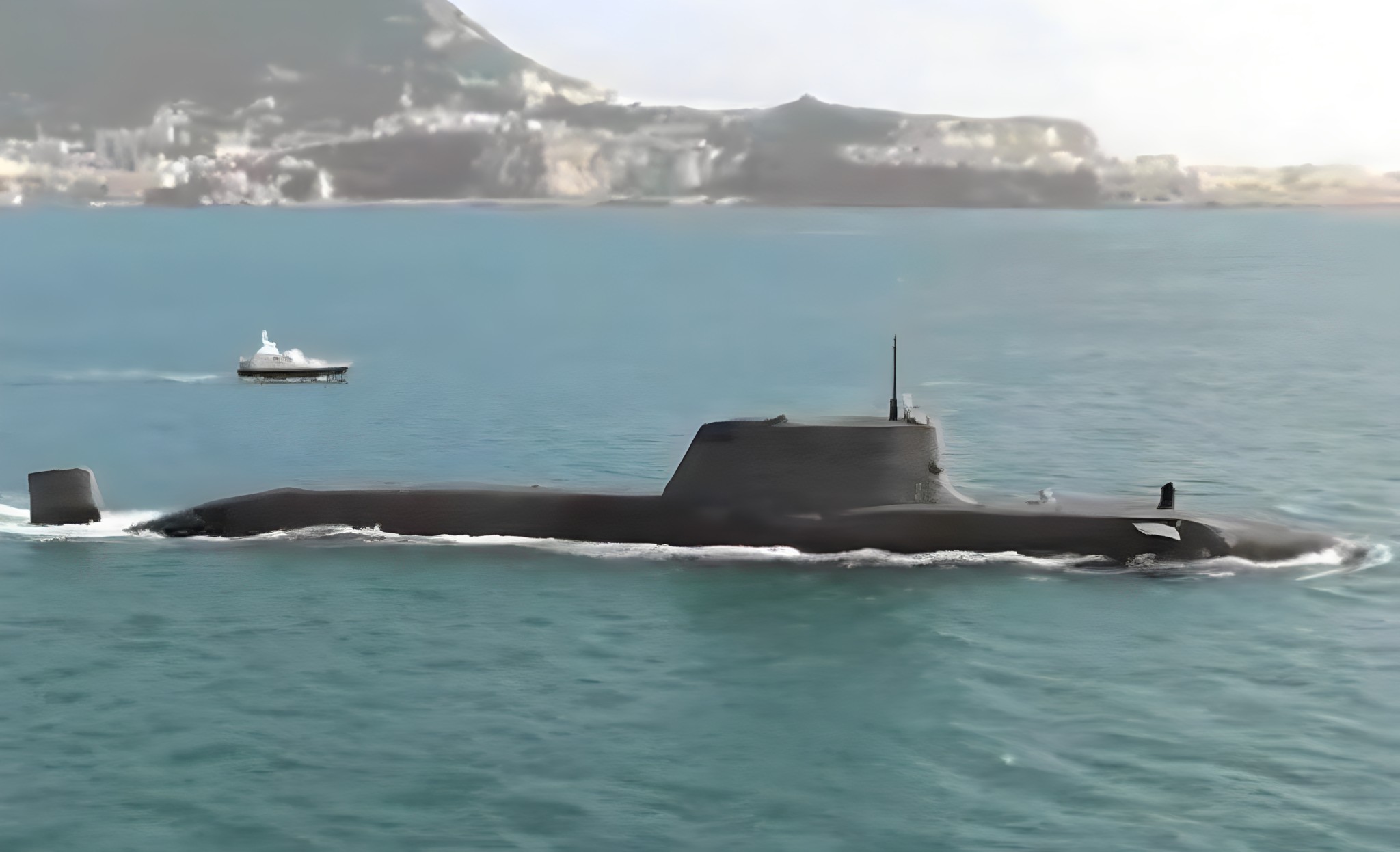
In an unprecedented move that has reverberated across geopolitical circles, the UK’s Ministry of Defence (MOD) has openly confirmed the active deployment of an armed Royal Navy hunter-killer submarine. This rare disclosure, accompanied by imagery of the vessel departing Gibraltar, is widely interpreted as a deliberate and potent act of strategic communication.
### Breaking the Silence: An Unusual Revelation
The MOD’s statement wasn’t just a simple announcement; it was a calculated departure from long-standing protocol. Confirming that the submarine was leaving the British Overseas Territory “armed,” the ministry underscored the Royal Navy’s unwavering commitment to maintaining a continuous maritime presence. This presence, they stated, serves a dual purpose: to deter potential adversaries and to safeguard both the United Kingdom and its NATO allies.
Traditionally, the operational movements and locations of the UK’s nuclear-powered attack submarines are shrouded in intense secrecy. Such strict operational silence is a cornerstone of naval strategy, ensuring tactical advantage and security. The decision to publicly acknowledge this specific deployment, therefore, stands out as exceptionally noteworthy in the current global security landscape, turning heads and prompting analysis worldwide. The announcement itself was disseminated via official channels, including a striking social media post from DefenceHQ, highlighting the submarine’s departure.
### Beneath the Waves: HMS Anson’s Strategic Journey
The powerful submarine at the heart of this revelation is understood to be HMS *Anson*. This state-of-the-art Astute-class attack vessel had recently concluded a stopover in Gibraltar, having sailed from HM Naval Base Clyde on January 10th. Gibraltar, with its strategic position at the confluence of the Atlantic and Mediterranean, has historically served as a critical logistical and support hub for Royal Navy submarines undertaking crucial passages between these vital waterways. Its role as a crucial waypoint underscores the significance of any submarine activity observed there.
### AUKUS and the Shifting Tides of Global Defence
The timing of this unprecedented public acknowledgment is particularly salient, aligning with crucial preparations for the UK’s inaugural deployment under the Submarine Rotational Force–West initiative. This ambitious program forms a core component of the landmark AUKUS security pact, forged between Australia, the United States, and the United Kingdom. Last year, it was officially confirmed that an Astute-class submarine from the Royal Navy would undertake a rotational deployment to HMAS Stirling, near Perth, Australia, during 2026.
This rotational presence is designed to provide invaluable support for Australia’s journey towards operating its own nuclear-powered submarines. By integrating alongside US Navy Virginia-class boats already assigned to the force, the initiative will facilitate the crucial transfer of expertise in areas such as maintenance, safety protocols, and complex operational procedures, fostering a robust and experienced trilateral submarine enterprise.
### Navigating Scrutiny and Affirming Strategic Imperatives
While the strategic implications of AUKUS are widely recognized, the commitment has not been without its challenges. The initiative has previously drawn parliamentary scrutiny, with Members of Parliament voicing concerns regarding the potential strain on the UK’s existing attack submarine fleet, especially amidst heightened Russian naval activity in the North Atlantic.
Despite these concerns, government ministers have consistently reaffirmed the centrality of the AUKUS deployment to the program’s long-term success. Defence Minister Luke Pollard, in December, described the deployment as “a core planning assumption for the Royal Navy under AUKUS,” asserting that the government considers the commitment both “realistic and manageable within existing force planning.” Ministers continue to insist that participation in AUKUS will yield substantial operational and training benefits, ultimately enriching and strengthening the UK’s own formidable submarine capabilities.