
Key Takeaways
- Strategic Talent Investment Amidst Tight Labor Markets:Bank of America’s expanded apprenticeship and skills-based hiring initiatives represent a proactive corporate strategy to cultivate a resilient, adaptable workforce, directly addressing the persistent skills gap and intense competition for talent in critical sectors like technology and consumer banking.
- ESG Alignment and Long-Term Value Creation:The significant $150 million investment in workforce development underscores BofA’s commitment to Environmental, Social, and Governance (ESG) principles, signaling a long-term human capital strategy that could enhance brand reputation, reduce turnover costs, and foster sustainable growth, appealing to a growing segment of socially conscious investors.
- Economic Catalyst and Policy Synergy:By investing in American workers and aligning with Department of Labor efforts, BofA is positioning itself as a key contributor to national economic stability and productivity. This move could inspire other large corporations to adopt similar practices, fostering a more inclusive and skilled national workforce.
General Motors CEO Mary Barra calls for better messaging on trade careers. ‘The Big Money Show’ panel discusses GM’s $200M investment to boost skilled trades in the U.S. and its appeal to Gen Z.
NEW YORK –In a strategic move to fortify its talent pipeline and address the evolving demands of the modern workforce, Bank of America (NYSE: BAC) announced Thursday a significant expansion of its skills-based hiring efforts. The financial giant plans to onboard an additional 1,000 apprentices over the next two years, complementing its existing annual intake of 800 apprentices. This initiative is coupled with a substantial $150 million investment over five years in external workforce development programs, underscoring the bank’s commitment to cultivating a skilled American workforce amidst a competitive labor market.
The Charlotte, North Carolina-based banking behemoth revealed that these new apprenticeship positions would span critical business areas, including consumer banking, technology, and operations. This approach to work-based learning represents a forward-thinking pivot, recognizing that practical experience and demonstrable skills are increasingly paramount in high-growth sectors, particularly in an era defined by rapid technological advancement and a persistent skills gap.
“This is one more way for us to do what we can to help create a skilled American workforce for tomorrow,” Brian Moynihan, chair and CEO of Bank of America, articulated in a statement. His comments highlight a growing corporate consensus that investing in human capital development is not merely a philanthropic gesture but a strategic imperative for long-term competitiveness and economic resilience. Moynihan’s emphasis on “expanding opportunity” and “helping talented individuals develop the skills to succeed” speaks directly to the need for a more inclusive and adaptable talent pool, especially as traditional educational pathways face increasing scrutiny.
BANK OF AMERICA UNVEILS $250B INITIATIVE TO MODERNIZE US INFRASTRUCTURE
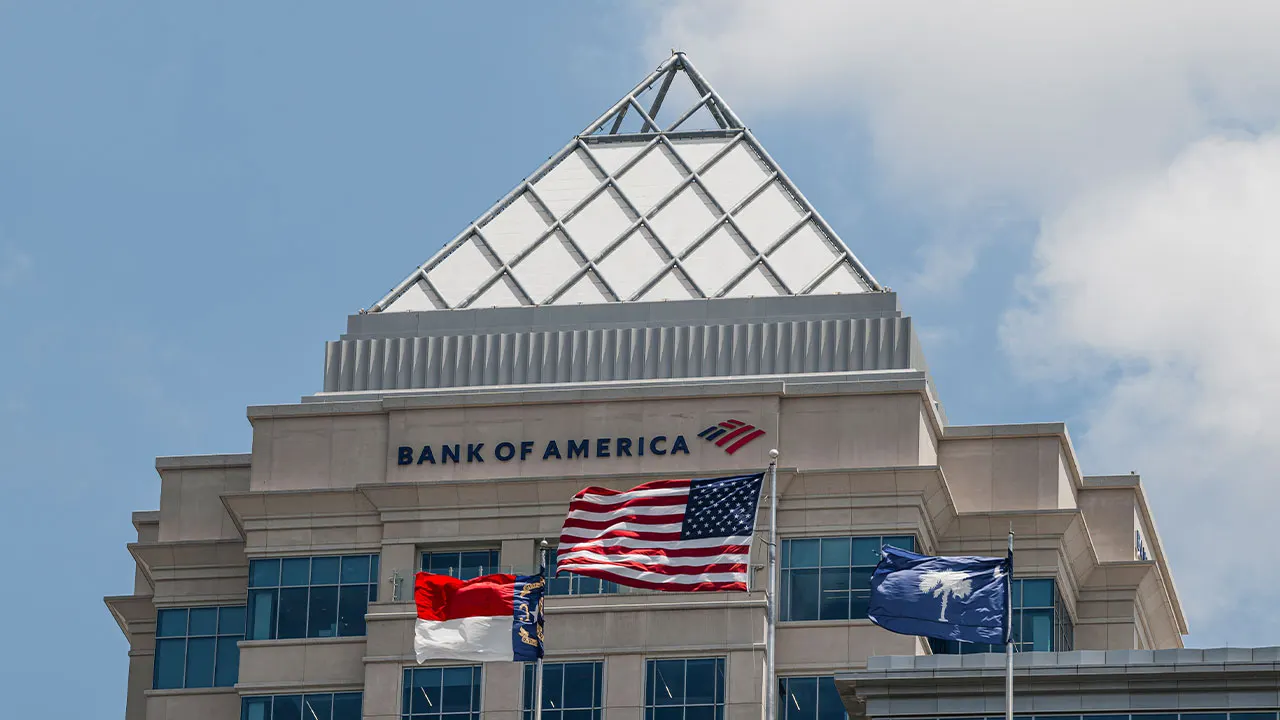
The Charlotte, North Carolina-based bank said the new apprenticeship positions will span consumer banking, technology, operations and other business areas.
(Nicolò Campo/LightRocket via Getty Images)
Moynihan further added, “We appreciate the spirit of reform and practicality that the Department of Labor is bringing to this important work, which will lead to opportunities for the private sector to do even more.” This acknowledgement points to a strategic alignment between corporate objectives and national policy goals, where public-private partnerships are seen as essential for addressing systemic workforce challenges. The DOL’s push for apprenticeships signals a federal recognition of their efficacy in building high-skilled, high-wage career pathways, making BofA’s move particularly timely and impactful.
The announcement resonates with a broader industry trend where employers across sectors are increasingly de-emphasizing traditional college degrees in favor of demonstrable skills and practical experience. This shift is a direct response to several market forces: the rising cost and perceived value of four-year degrees, the rapid obsolescence of certain skills, and the urgent need for specialized talent in fields like cybersecurity, data analytics, and software development. Bank of America, a bellwether in the financial services industry, reports that approximately 40% of its current hires do not hold a bachelor’s degree – a clear indicator of its progressive stance on talent acquisition. This pragmatic approach also helps diversify its workforce, tapping into pools of talent traditionally overlooked by degree-centric hiring models.
Beyond this latest initiative, Bank of America has consistently demonstrated a commitment to broadening its talent base. The bank has pledged to hire 10,000 additional workers with military backgrounds over five years and another 8,000 individuals from community colleges. These efforts collectively paint a picture of a robust, multi-pronged strategy designed to cultivate a diverse and skilled workforce capable of navigating the complexities of the global financial landscape. Such investments in human capital are critical for a large institution like BofA, directly influencing its operational efficiency, innovation capacity, and overall market competitiveness.
BOFA CEO BRIAN MOYNIHAN DISMISSES RECESSION FEARS DESPITE WALL STREET’S MOST HAWKISH FED FORECAST
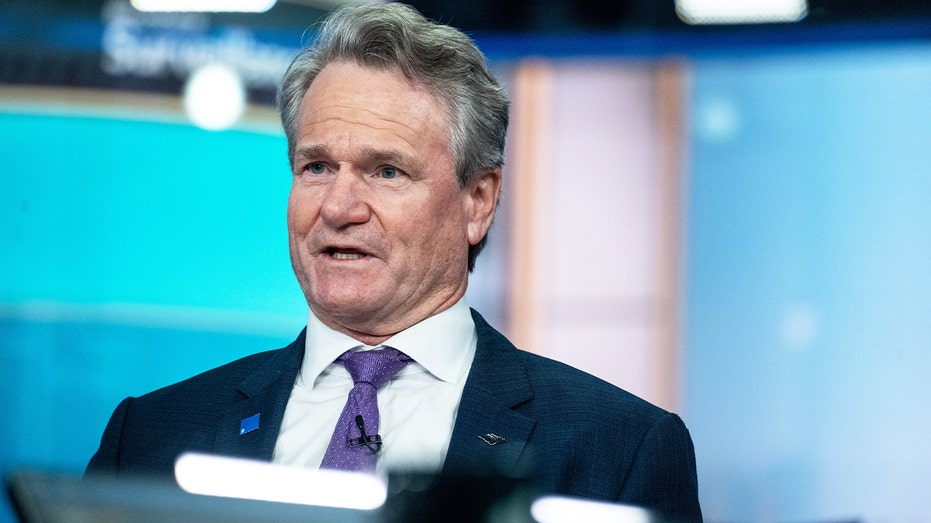
Brian Moynihan, chair and CEO of Bank of America, said the company’s expanded apprenticeship and workforce development efforts are intended to help create “a skilled American workforce for tomorrow.”
(Victor J. Blue/Bloomberg via Getty Images)
Alongside the expanded hiring push, the pledged $150 million over the next five years will be channeled into workforce development organizations. These partnerships are designed to “equip individuals with in-demand skills and connect them to career opportunities,” addressing the foundational challenges of career readiness and access. This commitment follows nearly $40 million the bank invested last year in similar initiatives, collaborating with over 100 colleges and universities and more than 600 nonprofits. For investors, such substantial, sustained investment in workforce development can be viewed favorably as it contributes to the bank’s Environmental, Social, and Governance (ESG) profile. Strong ESG performance is increasingly linked to reduced risk, enhanced reputation, and long-term financial stability, making these initiatives more than just social good – they are sound business strategy.
“American workers deserve the opportunity to build successful careers without leaving their hometowns,” Acting Secretary of Labor Keith Sonderling affirmed in his statement. His words highlight the socio-economic benefits of such programs, fostering regional economic stability and preventing brain drain from local communities. “I applaud Bank of America for investing in apprenticeship and workforce development programs that prepare Americans for high-skilled, high-paying jobs while helping employers build the skilled workforce they need in their local communities,” Sonderling added. This bipartisan support for skills-based training underscores the broad recognition of its economic necessity.
BANK OF AMERICA TO HIRE NEARLY 4,000 SUMMER INTERNS AND CAMPUS RECRUITS
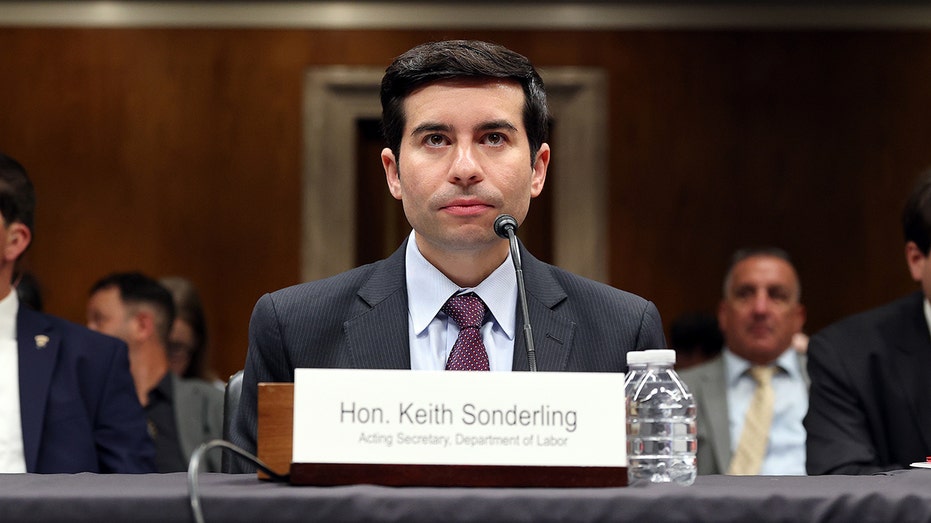
Acting Secretary of Labor Keith Sonderling said American workers “deserve the opportunity to build successful careers without leaving their hometowns.”
(Kevin Dietsch/Getty Images)
GET FOX BUSINESS ON THE GO BY CLICKING HERE
This apprenticeship expansion is not an isolated effort but a component of Bank of America’s broader strategy to invest in its workforce and the wider U.S. economy. Just last month, the bank revealed a massive $250 billion initiative aimed at financing critical infrastructure projects, ranging from data centers and semiconductor facilities to power generation and transportation. Earlier this year, it also announced plans to hire nearly 4,000 summer interns and full-time campus recruits. These interconnected initiatives reflect a holistic vision: that a robust economy requires both significant capital investment in physical infrastructure and continuous human capital development to staff and innovate within those new structures. In a rapidly evolving financial sector, cultivating a dynamic and skilled workforce is not merely an operational necessity but a competitive differentiator, ensuring the bank can adapt to technological shifts and maintain its leadership position.
Market Impact
Bank of America’s intensified focus on apprenticeships and skills-based hiring is likely to be viewed positively by the market, particularly by long-term investors and those focused on ESG criteria. For BofA, this strategic investment in human capital could lead to enhanced operational efficiency, reduced employee turnover in critical roles, and a more agile workforce capable of adapting to future technological disruptions. This proactive approach to talent management mitigates risks associated with the persistent labor shortage and skills gap, potentially bolstering future earnings stability. Furthermore, by aligning with national workforce development goals and contributing to local economies, BofA strengthens its brand reputation and social license to operate, which can translate into customer loyalty and attract top talent. Other financial institutions may feel pressure to follow suit, potentially driving a broader industry shift towards more inclusive and skills-focused hiring models, ultimately contributing to a more resilient and productive national workforce. Investors may interpret this as a signal of BofA’s commitment to sustainable growth and strategic foresight in an increasingly competitive and dynamic economic landscape.