
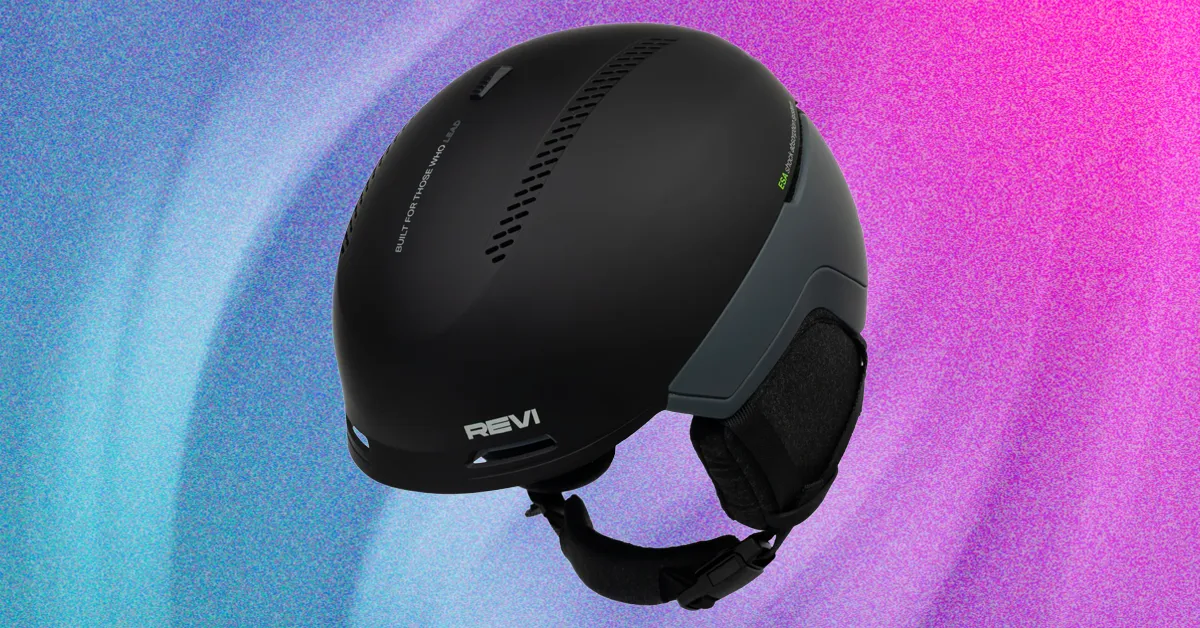
Elevate Your Ride: Essential Considerations for Choosing the Perfect Ski Helmet
Hitting the slopes is an exhilarating experience, but whether you’re carving fresh powder or navigating a bustling resort, your safety and comfort are paramount. A high-quality ski helmet isn’t just an accessory; it’s a critical piece of gear that can make or break your day on the mountain. With a myriad of options available, discerning the best fit for your needs goes beyond aesthetics. Let’s delve into the crucial factors to consider when selecting your next head protection.
The Unseen Shield: Prioritizing Safety Standards
The most fundamental aspect of any helmet is its ability to protect you. Never compromise on this.
Decoding Certification Labels
When browsing helmets, keep an eye out for specific safety certifications. Look for stamps like **ASTM F2040**, **CE EN 1077**, or **Snell RS-98**. These aren’t just arbitrary letters; they signify that the helmet has undergone rigorous testing, proving its resilience against impacts and penetration. Opting for a helmet with one of these certifications ensures it meets globally recognized benchmarks for head protection in winter sports.
Why Dedicated Ski Helmets Matter
It might be tempting to grab a skateboard or cycling helmet you already own. However, unless you can confirm it explicitly meets the same exacting ski safety standards, resist the urge. Skiing and snowboarding present unique impact scenarios, and dedicated ski helmets are engineered with materials and designs specifically tailored to these forces. Investing in the right gear is investing in your well-being.
Seamless Integration: The Art of Goggle Compatibility
Few things are as frustrating on the mountain as a helmet and goggle combination that just doesn’t work. The synergy between these two pieces of equipment is vital for comfort and performance.
Avoiding the Dreaded “Goggle Gap” and Pressure Points
An ill-fitting goggle frame can create uncomfortable pressure points against your helmet, leading to headaches or distracting discomfort. Conversely, a noticeable gap between the top of your goggles and the helmet isn’t just an aesthetic faux pas – it’s an open invitation for icy winds to chill your forehead, potentially causing painful “brain freeze” in sub-zero conditions. A truly seamless fit, often referred to as a “goggle-helmet interface,” is the goal.
Brand Harmony: A Smart Strategy
To achieve that ideal, gap-free fit, consider matching your helmet and goggle brands. Manufacturers often design their products to integrate flawlessly. Brands like **Smith**, **Sweet Protection**, and **Anon** are particularly renowned for the excellent compatibility between their helmet and goggle lines. This strategic pairing can save you a lot of trial-and-error.
Sizing Up: A Note for Smaller Noggins
If you have a smaller head, exercise caution with oversized goggles, regardless of how stylish they appear. A helmet might push down on a large goggle frame, creating uncomfortable pressure on your nose bridge. Always try on your helmet with your preferred goggles to ensure a snug, comfortable fit without impingement.
Stay Cool, Stay Focused: Mastering Helmet Ventilation
While helmets are fantastic for keeping you warm on chilly days, excessive heat can quickly turn comfort into clamminess, impairing your focus.
Battling the Burn: Overheating Prevention
For those of us who tend to run hot (myself included!), advanced ventilation systems are a game-changer. These strategically placed vents and channels allow hot, stale air to escape, preventing you from overheating during high-exertion activities or on warmer spring days.
Fog-Free Vision: An Added Benefit
Beyond personal comfort, effective ventilation plays a crucial role in maintaining clear vision. By actively drawing cool air across your head and directing it away from your goggles, these systems help prevent the dreaded goggle fog, ensuring your line of sight remains unobstructed.
The Power of Adjustable Airflow
The best helmets offer dynamic ventilation, featuring a slider or switch that allows you to open and close the vents. This gives you precise control over airflow, enabling you to fine-tune your internal climate as conditions change throughout the day – whether you need maximum cooling on a strenuous climb or want to seal out the cold on a frigid descent.
Tune In (Safely): Audio Integration
For many, music enhances the rhythm of their ride. If you like to soundtrack your turns, look for helmets designed with audio compatibility in mind.
Smart Solutions for Sound
Many modern helmets feature ear pads specifically engineered to house small audio devices or Bluetooth systems. Options such as the **Bluetooth Aleck Nunchucks** can slot discreetly into compatible ear pads, often secured via a small zip or Velcro opening, allowing you to enjoy your favorite tunes without cumbersome wires or external headphones.
A Word on Awareness
While music can be a great motivator, always exercise heightened caution when skiing or snowboarding with headphones. Your awareness of your surroundings – other skiers, snowboarders, and potential hazards – can be significantly diminished. Keep the volume at a responsible level, or consider systems that allow ambient sounds to filter through. Your safety and the safety of others depend on it.
Secure and Snappy: The Evolution of Chin Straps
The humble chin strap might seem like a minor detail, but its functionality directly impacts your helmet’s security and ease of use.
Beyond the Basic Buckle
A standard buckle strap is perfectly functional, getting the job done without fuss. However, once you’ve experienced the convenience of a **Fidlock magnetic buckle**, especially when fumbling with bulky gloves, you’ll likely never want to revert to a traditional system. These ingenious magnetic closures snap together effortlessly and release with a simple slide, making helmet removal and attachment incredibly quick and intuitive. It’s a small luxury that makes a big difference.
Freshness From the Inside Out: Liners and Padding
Even on the coldest days, skiing is a workout, and your helmet’s interior can get a bit… lived-in.
Keeping Your Helmet Hygienic
Virtually all top-tier ski helmets now feature removable liners and padding. This is a game-changer for hygiene. Check your manufacturer’s instructions carefully, but most liners are designed to be safely cleaned in a washing machine. And trust us, after a few days of hard skiing, you’ll appreciate the ability to freshen up your helmet’s interior to prevent any lingering odors. A clean helmet isn’t just more pleasant; it also extends the life of your gear.
Choosing the right ski helmet is a blend of prioritizing safety, optimizing comfort, and tailoring features to your personal style of riding. By considering these essential factors, you’ll be well-equipped to select a helmet that not only protects you but enhances every moment you spend on the snow.