
***
Key Takeaways:
- Massive Investor Confidence:Preventative healthcare, particularly advanced body scanning and diagnostic platforms, is attracting enormous venture capital, exemplified by Neko Health’s $700 million raise, signaling strong belief in the sector’s future.
- Technological Leap Towards Proactive Health:Companies like Neko, and even prominent AI developers like Midjourney, are leveraging cutting-edge technology to shift healthcare from reactive treatment to proactive, personalized prevention, empowering individuals with early insights into their health.
- Integration Challenges Ahead:Despite the significant investment and technological promise, the path to mainstream adoption for these innovative body scanning and preventative platforms faces substantial hurdles, including regulatory approval, data privacy concerns, and seamless integration into existing healthcare systems and insurance models.
***
The Billion-Dollar Bet on Proactive Health: Scanning Our Way to a Healthier Future
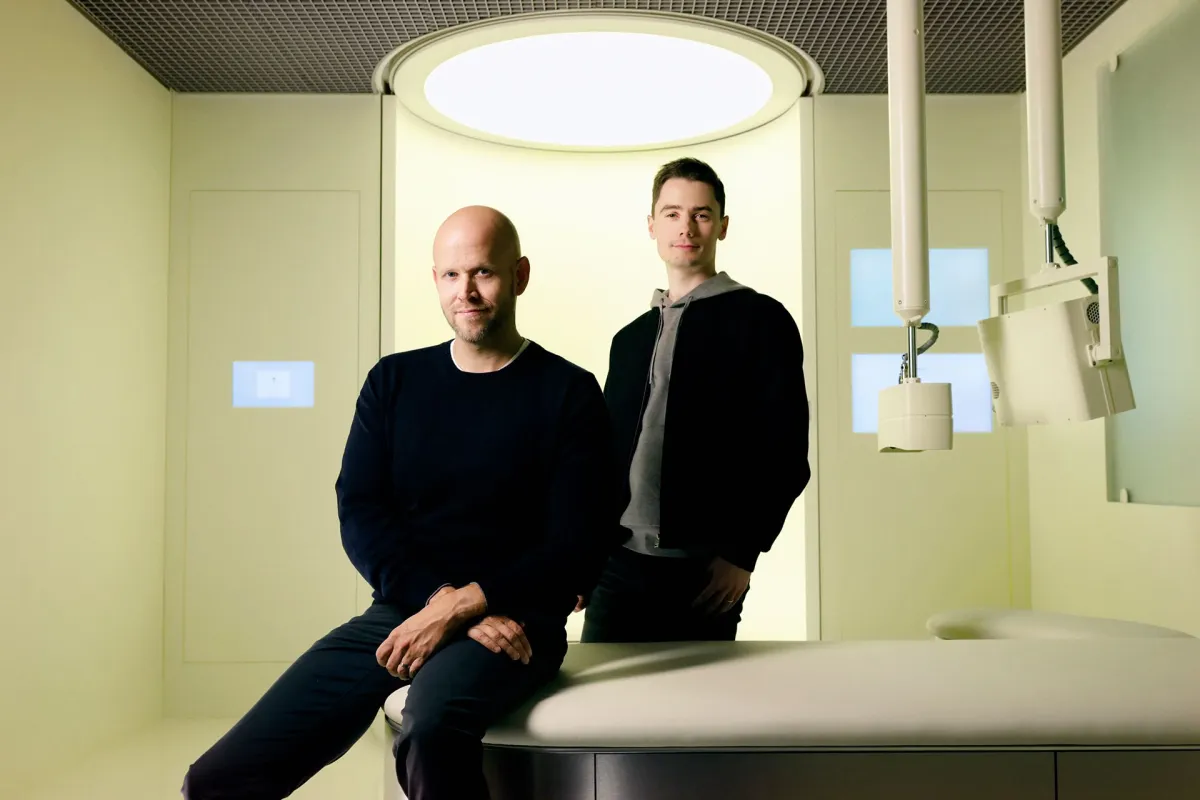
The healthcare landscape is undergoing a seismic shift, driven by technological innovation and an insatiable desire for personalized, preventative solutions. At the epicenter of this transformation is a burgeoning market for advanced body scanning and diagnostic platforms, attracting unprecedented levels of venture capital and sparking a new kind of health tech gold rush. Leading the charge is Neko Health, a brainchild of Spotify founder Daniel Ek, which recently secured an astounding $700 million to build its ambitious vision around comprehensive body scanning.
But Neko Health isn’t an anomaly; it’s merely the most prominent beacon in a rapidly expanding constellation of companies centering their roadmaps around a new frontier of preventative healthcare. Even unexpected players are entering the fray: Midjourney, widely known for its generative AI image capabilities, is reportedly building its own body scanner, signaling a broader trend of AI innovators extending their reach into physical diagnostics. Meanwhile, Function Health has also garnered significant capital, developing its own preventative-health platform aimed at offering personalized insights. The question that echoes across Silicon Valley and beyond is stark: Why are investors betting so big, so early, and with such conviction, on this particular category?
The Investment Thesis: A Confluence of Demand and Innovation
The massive influx of capital into companies like Neko Health, Midjourney’s diagnostic foray, and Function Health isn’t merely speculative; it’s a calculated response to several converging macro-trends. Firstly, there’s a growing disillusionment with the traditional, reactive healthcare model. Patients are increasingly seeking proactive measures, craving detailed insights into their health before symptoms manifest, rather than waiting for illness to strike. This consumer-driven demand for agency and preventative knowledge is a powerful market force.
Secondly, technological advancements have reached a tipping point. The sophistication of medical imaging, combined with the exponential power of artificial intelligence and machine learning, allows for unprecedented levels of data collection and analysis from body scans. These platforms promise to identify subtle biomarkers, genetic predispositions, and early indicators of disease that traditional check-ups might miss. AI algorithms can sift through vast datasets from these scans, correlating obscure patterns with potential health risks, thereby offering a truly personalized roadmap for wellness and intervention.
Thirdly, the economic pressures on existing healthcare systems are immense. Chronic diseases account for a staggering portion of healthcare expenditure. By identifying risks early and enabling preventative interventions, these new platforms hold the promise of not just improving individual health outcomes but also significantly reducing long-term healthcare costs. Investors see the potential for these technologies to disrupt a multi-trillion-dollar industry, shifting the paradigm from costly treatment to cost-effective prevention.
Beyond the Scan: The Journey to Systemic Integration
While the promise of a full-body scan revealing a comprehensive health blueprint is alluring, transforming this vision into a widely adopted, integrated part of the broader healthcare system presents a complex web of challenges. As explored in discussions like those on TechCrunch’sEquitypodcast, where Farooq Abbasi of Preface Ventures (an investor in Neko Health) weighed in on Neko’s unique position compared to other consumer-health startups, the path forward is anything but straightforward.
Key hurdles include regulatory approval, especially concerning the diagnostic claims and medical device classifications of these advanced scanners. Data privacy and security are paramount; handling sensitive, granular personal health information requires robust safeguards and transparent policies to build public trust. Interoperability is another significant challenge – how do these proprietary scan data seamlessly integrate with electronic health records used by primary care physicians and specialists? Furthermore, the cost of these premium services and their potential for reimbursement by insurance providers will dictate their accessibility beyond affluent early adopters. For body scanning to truly become part of mainstream healthcare, it must be affordable, accessible, and demonstrably effective through rigorous clinical validation.
The conversation, as discussed by Dominic-Madori Davis and Farooq Abbasi, inevitably turns to the necessary evolution for these technologies. It requires not just technological refinement but also a concerted effort to educate physicians, policymakers, and the public on the benefits and limitations of proactive scanning. Establishing clear guidelines for follow-up care based on scan results, and ensuring that these insights lead to actionable, evidence-based interventions, will be critical for widespread acceptance and integration.
The Future of Wellness: Empowering the Individual
Ultimately, the success of companies like Neko Health, Function Health, and even Midjourney’s ambitious foray into diagnostics hinges on their ability to move beyond novel technology and provide genuinely impactful health outcomes. They are not just selling scans; they are selling peace of mind, early detection, and the power of informed decision-making. The ability to monitor one’s body in unprecedented detail, to predict potential health issues years in advance, and to receive personalized recommendations for diet, exercise, and lifestyle changes, represents a paradigm shift in personal wellness.
As these platforms mature, we can anticipate a future where annual body scans become as routine as a dental check-up, providing a continuous, evolving snapshot of our health. The integration of AI will move beyond mere data interpretation, potentially leading to predictive models that can forecast disease progression with startling accuracy, allowing for ultra-early interventions. The ecosystem will likely expand to include complementary services, from personalized nutritionists leveraging scan data to AI-powered coaching apps that guide users through preventative protocols. This vision, while ambitious, is precisely why investors are pouring billions into a sector poised to redefine what it means to be healthy in the 21st century.
The Bottom Line
The massive capital flowing into preventative health and advanced body scanning platforms underscores a powerful market conviction: the future of healthcare is proactive, personalized, and technologically driven. While companies like Neko Health are pioneering a new era of self-awareness and early intervention, the journey from cutting-edge innovation to ubiquitous healthcare staple will demand overcoming significant regulatory, logistical, and ethical challenges. The promise, however, of a system that prevents rather than just treats, and empowers individuals with unparalleled health insights, is a bet too compelling for discerning investors to ignore.
{content}
Source:{feed_title}