
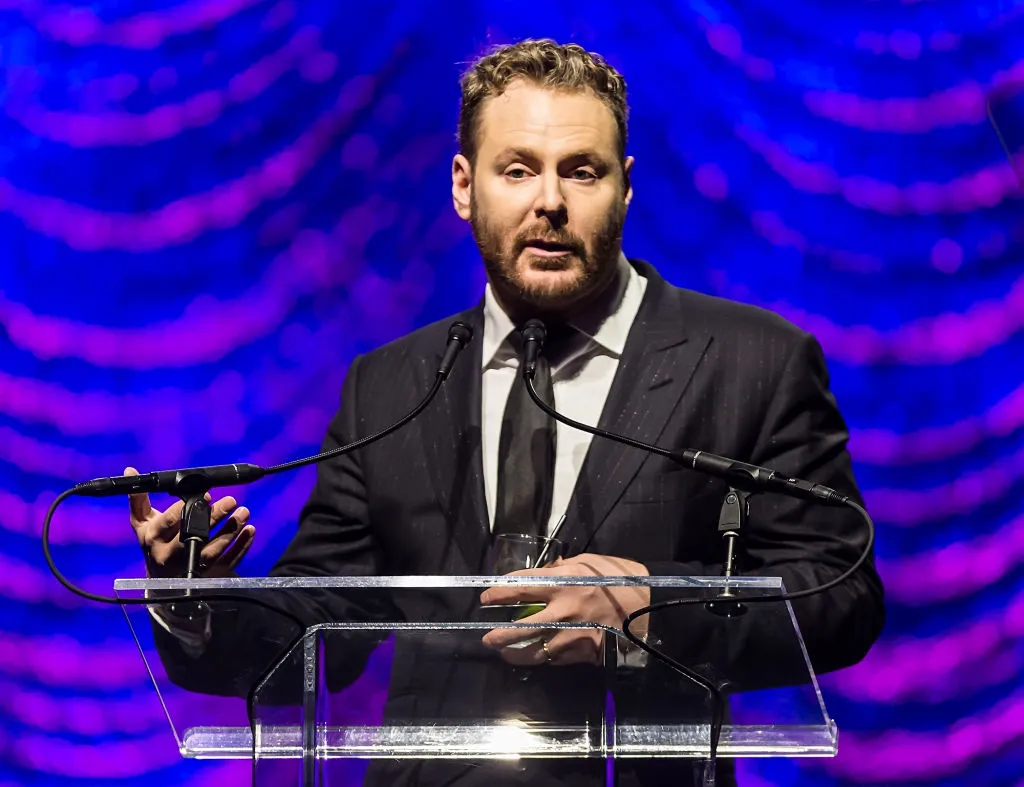
Sean Parker, the Napster co-founder, has jumped back into the music industry, and he tells The Information that he’s playing by the rules this time. (Asking for forgiveness rather than permission didn’t work out so well last time around, he readily concedes.)
**Key Takeaways:**
* **Sean Parker’s Strategic Return:** Napster co-founder Sean Parker is re-entering the music industry with Stability AI, emphasizing a “play by the rules” approach after his past experiences.
* **Stability AI’s Pivotal Transformation:** Under Parker’s influence and new CEO Prem Akkaraju, Stability AI is pivoting from its troubled past as an image generator to become a leading AI toolmaker for music professionals.
* **Industry Validation & Collaboration:** The venture has secured $76 million in funding from and licensing deals with major labels like Sony, Warner, and Universal, signaling a significant shift towards industry-backed, ethical AI development in music.
—
### Sean Parker’s Encore: Stability AI Tunes into Music with a New Score
Sean Parker, a name synonymous with disruption and the seismic shifts of the digital age, is making a highly anticipated return to the music industry. But this isn’t a replay of Napster’s controversial debut. This time, Parker is orchestrating a comeback with a distinct promise: playing by the rules. After famously challenging established norms and, as he readily admits, often asking for forgiveness rather than permission, Parker is now at the helm of a transformed Stability AI, charting a course for responsible innovation in music creation.
Two years ago, Parker stepped into the fray to co-lead an $80 million rescue of Stability AI, a company teetering on the brink. Known primarily for its open-source image generator, Stable Diffusion, Stability AI had faced a tumultuous period marked by overspending, internal strife, and the eventual ouster of its founder, Emad Mostaque. It was a dramatic fall for a startup that once captured the imagination of the AI world, and Parker’s involvement signaled a serious intent to steer the ship back to calmer, more productive waters. Now, alongside his longtime friend Prem Akkaraju, who has taken the reins as CEO, Parker is ready to unveil what they’ve been meticulously building: a new future for Stability AI, one deeply embedded in the heart of the music industry.
### The Phoenix Rises: Stability AI’s Transformation
Stability AI’s journey from a high-flying, then struggling, generative AI powerhouse to its current focused trajectory is a testament to the volatile yet opportunity-rich landscape of artificial intelligence. Its initial success with Stable Diffusion democratized image generation, but unchecked growth and a lack of clear commercial strategy led to significant challenges. Parker’s entry was a strategic injection of capital, experience, and, crucially, a new operational ethos. His reputation as a visionary investor and builder, particularly with his foundational role at Facebook and early investment in Spotify, positions him uniquely to understand both technological disruption and the intricacies of creative industries.
The transition, however, isn’t just about financial stabilization; it’s a complete strategic pivot. The “big idea,” as Parker articulates, is to reposition Stability AI as the premier AI toolmaker specifically for music professionals. This isn’t about replacing human creativity but augmenting it, providing artists, producers, and labels with cutting-edge tools to streamline workflows, inspire new sounds, and expand their creative horizons. This targeted approach aims to carve out a defensible and high-value niche in the rapidly evolving generative AI market, learning from the broad, often litigious, challenges faced by general-purpose AI models.
### Harmony with Giants: Industry Buy-in and Funding
A pivotal moment in Stability AI’s transformation occurred in late August, with the announcement of a substantial $76 million funding round. More significant than the capital itself was the list of investors: Sony, Warner, and Universal Music Group. This isn’t merely an investment; it’s a powerful endorsement from the very titans of the music industry that Parker once, albeit inadvertently, challenged. As part of the deal, these major labels have also licensed their vast and invaluable catalogs for training Stability AI’s models.
This collaboration marks a profound shift. In an era rife with lawsuits against AI companies for alleged copyright infringement stemming from unauthorized data scraping, Stability AI is taking a distinctly different path. By securing explicit licensing agreements, Parker and Akkaraju are laying a legal and ethical foundation that could serve as a blueprint for the responsible development of AI in creative fields. For the labels, this represents a proactive strategy: rather than fighting the inevitable rise of AI, they are choosing to shape it, ensuring their artists and their intellectual property are compensated, protected, and integrated into the future of music technology. This move not only legitimizes Stability AI’s efforts but also positions it as a preferred partner for an industry often wary of technological disruption. It suggests a future where AI is not just a threat to established rights but a licensed, revenue-generating partner.
### The Soundtrack of Innovation: Product Unveiling
With the funding secured and the strategic direction clear, Stability AI has wasted no time in unveiling its first wave of music-centric innovations. The company has released three new audio models and sophisticated AI music-editing software. These tools are designed to empower music professionals, offering capabilities that range from generating entire instrumental tracks to crafting short audio snippets, all from simple text prompts. Imagine a producer typing “upbeat synthwave track with a driving bassline and ethereal pads” and receiving a ready-to-use foundation.
Looking ahead, the roadmap promises even more intuitive interactions. Parker reveals that an upcoming update will allow users to hum a melody or beatbox a drum pattern directly into the software, which the AI will then interpret and expand upon. This feature is particularly groundbreaking, as it bridges the gap between raw human inspiration and sophisticated AI generation, making the creative process more fluid and accessible. It moves beyond text-based prompts to embrace natural musical expression, potentially democratizing complex music production and allowing musicians to prototype ideas at unprecedented speeds. For composers, this could mean rapid iteration on themes; for producers, a quick way to lay down a foundational beat or melodic idea; and for individual artists, a powerful tool to realize their sonic visions without needing extensive technical expertise or expensive studio time.
### Beyond the Beat: Broader Implications and the Road Ahead
Stability AI’s renewed focus on music, under Parker’s “by the rules” mantra, carries significant implications for the broader creative economy. On one hand, it heralds an era of unprecedented creative potential. Artists could use AI to explore new genres, generate backup instrumentation, or even overcome creative blocks. The tools could democratize music production, lowering barriers to entry for aspiring musicians worldwide. For established professionals, it promises to enhance efficiency, allowing them to focus more on the core creative act rather than tedious technical tasks.
However, challenges remain. Discussions around the ethical use of AI, the potential for job displacement for session musicians or entry-level composers, and the complexities of ownership in AI-generated or AI-assisted works are ongoing. Stability AI’s approach, with its explicit licensing deals, directly addresses some of these copyright concerns, setting a precedent for ethical data sourcing. Yet, the wider societal impact of generative AI in music will continue to be a subject of debate.
Parker and Akkaraju are not just building tools; they are attempting to build a sustainable, ethical ecosystem for AI in music. Their success could pave the way for other generative AI companies to forge similar alliances with content creators, moving beyond the current litigious environment towards one of collaborative innovation. As Stability AI refines its models and expands its offerings, its trajectory will be closely watched, not just by the tech and music industries, but by anyone invested in the future of creativity in the age of artificial intelligence.
{content}
### Bottom Line
Sean Parker’s return to music with a re-invigorated Stability AI, anchored by significant industry investment and explicit licensing from major labels, marks a pivotal moment in the evolution of AI-powered creativity. By embracing a “play by the rules” philosophy and focusing on empowering music professionals with innovative tools, Stability AI is not only attempting to secure its own future but is also setting a new standard for ethical and collaborative AI development within the highly sensitive creative industries. This venture could well redefine the symbiotic relationship between technology, artists, and intellectual property, charting a harmonious path forward for music in the age of artificial intelligence.
Source:{feed_title}