
Babcock Bolsters UK Naval Capabilities with Major Investment in Skills and Logistics Infrastructure
Plymouth, UK – Babcock International Group, a leading provider of critical engineering services, has significantly expanded its footprint in the United Kingdom’s defence sector with two key strategic developments in the Devonport region. The company has officially opened a state-of-the-art Skills Centre at Devonport Dockyard, designed to train and upskill a substantial technical workforce, and has commenced construction on an expansive Integrated Logistics Hub in Sherford, aimed at streamlining supply chains for the nation’s submarine fleet.
These investments underscore Babcock’s long-term commitment to national defence resilience and regional economic growth, addressing critical needs in workforce development and operational efficiency for complex naval platforms, particularly nuclear submarines.
The Devonport Skills Centre: Cultivating Future Expertise
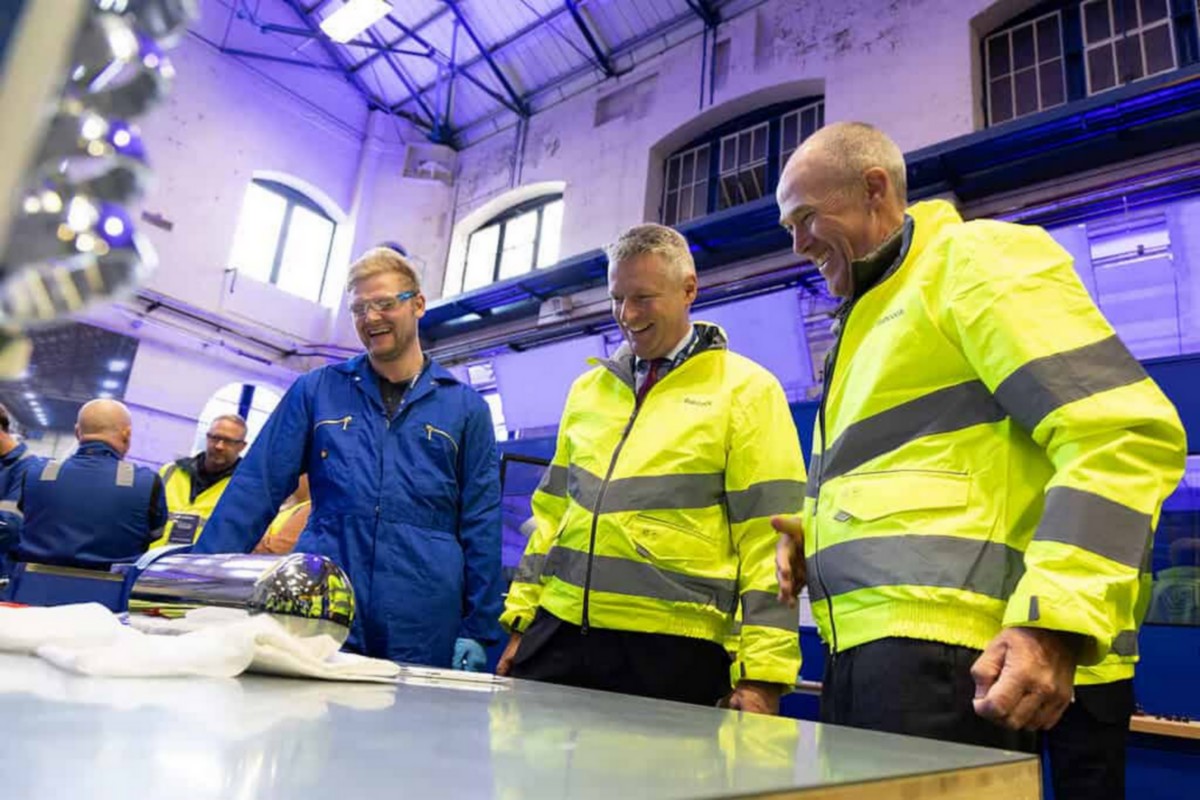
The newly inaugurated Skills Centre, strategically located directly on the waterfront at Devonport Dockyard, represents a pivotal step in securing the future talent pipeline for the UK’s naval defence. Officially opened by Luke Pollard, the Minister for Defence Readiness and Industry and the Member of Parliament for Plymouth Sutton and Devonport, the facility is equipped to support an impressive 1,500 technical staff and apprentices annually. By integrating practical training directly alongside the operational environment, the centre aims to provide immersive and highly relevant learning experiences, ensuring that the workforce is adept at handling the complex demands of modern submarine sustainment and deep maintenance.
The centre will provide essential training across a range of disciplines vital for maintaining the UK’s submarine fleet, from advanced engineering and fabrication to specialized electrical and mechanical systems. This commitment to skills development is crucial for retaining expertise within the defence sector and for preparing a new generation of engineers and technicians for the challenges of next-generation naval technology. Mr. Pollard highlighted the dual benefits of such investments, stating, “Plymouth has always been at the heart of our national defence, and investments like this show how working with industry partners like Babcock can deliver both the skills our Armed Forces need, and the opportunities and growth this community deserves.” He further emphasized the centre’s role in career development, noting it “will support those already in defence to learn new skills and grow their career and create new pathways for those entering defence for the first first time, giving local people the chance to build a career they can be proud of.”
The Sherford Integrated Logistics Hub: Enhancing Submarine Sustainment
Parallel to the skills initiative, Babcock has broken ground on a significant Integrated Logistics Hub in Sherford, a project poised to revolutionize the logistical support for the Royal Navy’s submarine fleet. Situated within the Plymouth and South Devon Freeport, the hub will occupy an 18.8-acre site, with plans for a substantial 30,000 square meter facility. This strategic location within the Freeport offers considerable advantages, including streamlined customs procedures and enhanced connectivity, crucial for a project of this scale and national importance.
The primary objective of the Sherford hub is to consolidate and optimize more than thirty separate logistics sites currently supporting Babcock’s operations, thereby increasing operational capacity and resilience for submarine sustainment and deep maintenance at Devonport. This consolidation is particularly critical for supporting the “dual-streaming” of Astute class submarines – a process that allows two submarines to undergo maintenance simultaneously, significantly reducing turnaround times and enhancing fleet availability. Furthermore, the hub is designed to facilitate the complex transition to the Dreadnought class submarines, the UK’s future nuclear deterrent, by ensuring a robust and efficient supply chain for their long-term upkeep.
This initiative represents a strategic investment in the underlying infrastructure necessary to maintain the operational readiness of the UK’s most sensitive and technologically advanced naval assets. By centralizing logistics, Babcock aims to reduce lead times for critical components, improve inventory management, and enhance overall efficiency, directly contributing to the Royal Navy’s operational effectiveness.
Broader Strategic and Economic Impact
Beyond the immediate operational benefits, these investments signal a broader commitment from Babcock to the region and the nation’s defence capabilities. Neal Misell, Chief Executive of Babcock Nuclear, underscored this commitment: “Today demonstrates our long-term commitment to Plymouth and the wider region, developing the skills, capability and infrastructure needed to bolster the UK’s national defence resilience, while creating opportunities for economic growth and prosperity for future generations.” Misell also revealed plans for a new Babcock Capability Centre in Plymouth city centre, which will see approximately 2,000 colleagues relocate, further consolidating the company’s presence and contributing to the local urban economy.
The projects have garnered strong support from local and regional stakeholders, who emphasize the economic dividends. Richard May, Chief Executive of the Plymouth and South Devon Freeport, praised the collaboration: “This is the Freeport doing what it does best – unlocking opportunities and turning plans into real investment. We’re delighted to be working with Babcock to bring this exciting project forward and build on the momentum we’ve created together.” He characterized it as “a great example of the defence dividend delivering real benefits for Plymouth and South Devon.” Councillor Dan Thomas, leader of South Hams District Council, reiterated the local impact, stating, “This investment is part of the bigger picture for the South Hams. We promised to support a thriving local economy, create opportunities for good-quality jobs and build strong, resilient communities.”
The combined effect of the Skills Centre, the Logistics Hub, and the relocation of the Capability Centre is expected to generate significant high-value employment, stimulate the regional supply chain, and reinforce Plymouth’s long-standing identity as a cornerstone of UK naval power.
Why This Matters
These strategic investments by Babcock International Group carry significant implications for the United Kingdom’s national security, economic development, and workforce sustainability:
- Strengthening National Defence and Deterrence:The primary beneficiaries are the Royal Navy and the UK’s nuclear deterrent. Enhanced logistics and a highly skilled workforce are critical for the efficient maintenance and operational readiness of the Astute class attack submarines and the future Dreadnought class ballistic missile submarines. The ability to “dual-stream” maintenance and smoothly transition to new platforms directly impacts the UK’s capacity to project power and maintain its continuous at-sea deterrence, a cornerstone of its defence policy.
- Addressing Skills Gaps and Future-Proofing the Workforce:The Skills Centre is a direct response to the ongoing demand for specialized technical expertise in complex engineering fields. By providing advanced training for 1,500 individuals annually, it helps to mitigate potential skills shortages, ensuring a steady pipeline of qualified personnel essential for supporting high-tech defence assets for decades to come. This investment in human capital is vital for the long-term health of the UK’s defence industrial base.
- Driving Regional Economic Growth and Investment:The projects represent a substantial economic injection into the Plymouth and South Devon region. The creation of new, high-value jobs, the stimulation of local supply chains, and the consolidation of Babcock’s presence contribute significantly to regional prosperity. The location of the Logistics Hub within the Plymouth and South Devon Freeport further amplifies these benefits, leveraging the Freeport’s economic incentives to attract and retain critical defence infrastructure and associated businesses.
- Enhancing Operational Resilience and Efficiency:The Integrated Logistics Hub’s consolidation of numerous sites into one state-of-the-art facility will dramatically improve the efficiency and resilience of the submarine maintenance supply chain. In an increasingly complex global environment, ensuring a robust and agile logistics network is paramount for national security, reducing vulnerabilities and improving responsiveness to operational demands.
- Reinforcing UK Industrial Capability:These investments underscore the UK’s commitment to maintaining and developing its sovereign industrial capabilities in critical sectors. By strengthening its defence industrial base, the UK enhances its strategic autonomy and secures vital capabilities within its own borders, reducing reliance on external actors for essential defence services. This fosters innovation and technological advancement within the domestic defence sector.