
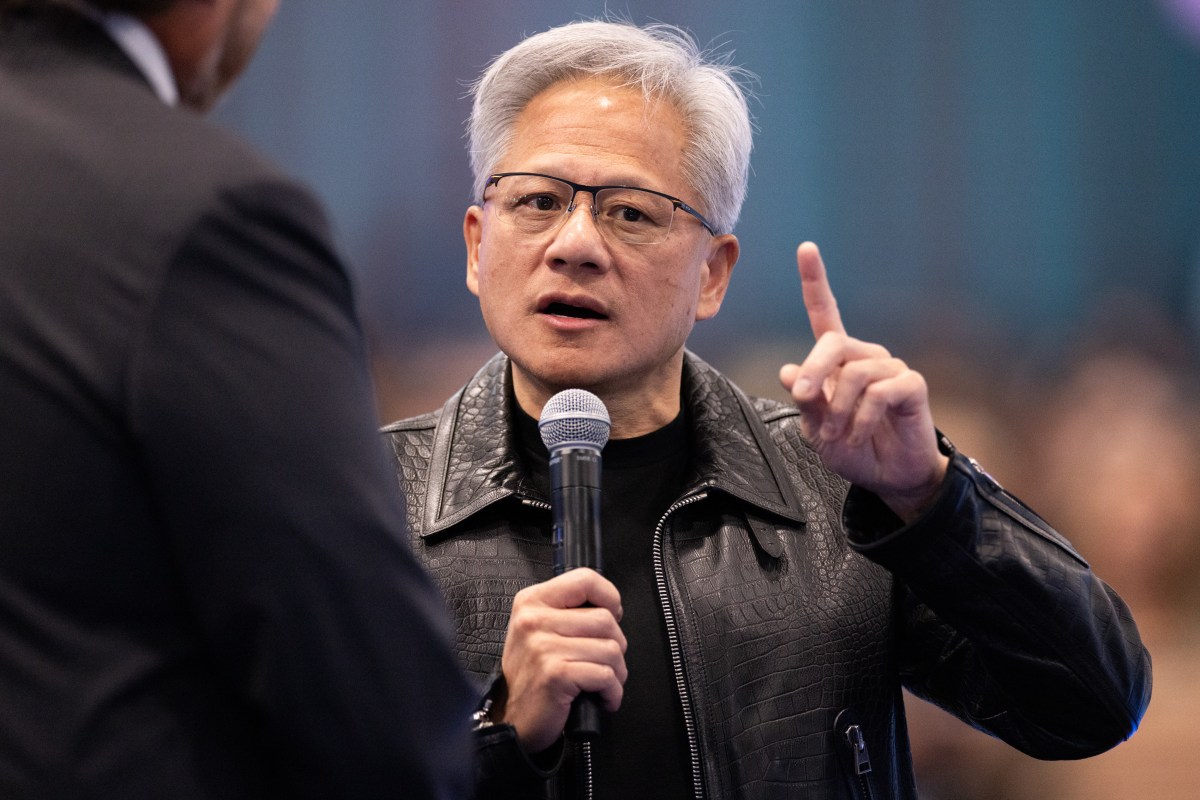
Key Takeaways:
- Nvidia CEO Jensen Huang is facing an independent board investigation following reports of a Chinese spy operation targeting him, coinciding with his public admission of an extramarital affair.
- Huang has issued a profound apology for his personal conduct, while Nvidia’s board maintains confidence in his leadership but insists on a thorough, cooperative review.
- The incident dramatically underscores the acute national security risks inherent in the escalating US-China race for AI supremacy, particularly regarding critical semiconductor technology and executive vulnerabilities.
Nvidia’s AI Empire Rocked by Spy Allegations and CEO Scandal
In a stunning development shaking the foundations of the global technology sector, Nvidia, the undisputed kingpin of AI chips, has announced an independent investigation into its visionary CEO, Jensen Huang. The probe comes on the heels of explosive reports suggesting Huang was the target of a sophisticated Chinese spy operation, an accusation made all the more complex by Huang’s simultaneous, candid admission of an extramarital affair. This confluence of personal vulnerability and geopolitical intrigue places Nvidia, and arguably the entire US semiconductor industry, at a critical crossroads.
The allegations center on Alice Huang, a former executive at Singapore-based chip firm Megaspeed. Earlier this year, a confidential memo circulated among U.S. policymakers claimed Alice Huang had been recruited by China’s Ministry of State Security (MSS) – Beijing’s primary civilian intelligence agency – with the express purpose of extracting sensitive information from Nvidia’s CEO. The reports detail an affair between Jensen Huang and Alice Huang, which Jensen Huang confirmed in a message sent to the company, though he refrained from naming her directly.
“I owe my family and all of you an apology,” Jensen Huang wrote in his public statement. “I was unfaithful to my wife. My actions hurt her and our children. There is no excuse for what I did. I am deeply sorry.” He further acknowledged having “fallen short” of his responsibility to the company, adding, “To my colleagues at NVIDIA, including those I have worked alongside for decades, and to our board, partners, and shareholders around the world: you deserve better from me.” This rare, public confession from a tech titan underscores the gravity of the situation, forcing a personal narrative into the very public arena of corporate governance and national security.
The Board’s Response and the Stakes of an Independent Probe
Nvidia’s board of directors moved swiftly, announcing Sunday that independent directors, collaborating with external legal counsel, would lead the investigation. While the board stated it has “no reason to believe” that either national security or company secrets were compromised, and expressed “confidence in Jensen and his leadership team,” the decision to launch a full-scale independent review signals the seriousness with which these allegations are being treated. Huang himself has pledged “full support” and cooperation with the review, a crucial step in maintaining transparency and investor confidence.
This investigation is not merely about corporate ethics; it delves into the treacherous waters of state-sponsored espionage in an era defined by technological rivalry. Nvidia’s previous response to initial reports, downplaying the interactions as “not unusual” and reiterating that the company does not share classified information with customers, now stands in stark contrast to the severity of a formal board inquiry. The challenge for the board lies in balancing the need to protect the company’s integrity and intellectual property with maintaining stability at the helm of a globally critical enterprise.
The Geopolitical Chessboard: AI, Chips, and Espionage
The backdrop to this unfolding drama is the intense, high-stakes AI race between the United States and China. Nvidia’s chips, particularly its advanced GPUs, are the foundational infrastructure upon which the entire AI revolution is being built – from cutting-edge research to military applications. Control over or insight into Nvidia’s technology roadmaps, supply chains, and strategic partnerships would confer an immense advantage in this geopolitical contest. This makes a CEO like Jensen Huang, who maintains a close relationship with figures like President Donald Trump – a vocal proponent of US “superintelligence” – an exceptionally valuable target for state actors.
The alleged targeting of Huang is not an isolated incident but rather a chilling illustration of broader trends. Intelligence agencies globally have long employed “honey traps” – leveraging romantic or sexual relationships – to gain access to individuals with sensitive information. The explicit warnings issued to employees by other companies within the booming AI sector, cautioning them against potential spies offering romance or sex, highlight the pervasive nature of this threat. The MSS, known for its aggressive tactics in corporate espionage, would view access to a leader of Huang’s stature as a strategic coup, potentially revealing not just company secrets but also insights into US technological priorities and vulnerabilities.
The fallout from this investigation could extend far beyond Nvidia’s corporate walls. It could trigger heightened scrutiny on executive relationships across the tech industry, force re-evaluations of corporate security protocols, and further exacerbate tensions in US-China tech relations. For Nvidia, a company that has enjoyed unprecedented growth and investor adoration, the challenge will be to navigate this scandal without compromising its technological leadership or its perceived trustworthiness in an increasingly fractured global landscape.
Bottom Line:Nvidia faces a dual crisis of personal ethics and national security, casting a long shadow over its leadership and the critical role it plays in global AI development. While the board has expressed confidence in Jensen Huang, the independent investigation will be a defining moment, not only for the CEO and the company but also for the broader understanding of executive vulnerability in the age of intense geopolitical tech competition. The outcome will likely reshape corporate security paradigms and further entrench the complexities of navigating business at the intersection of innovation and espionage.
When you purchase through links in our articles, we may earn a small commission. This doesn’t affect our editorial independence.