
UK Defence Secretary Highlights 41% Surge in Russian Activity in High North, Calls for Enhanced Maritime Security
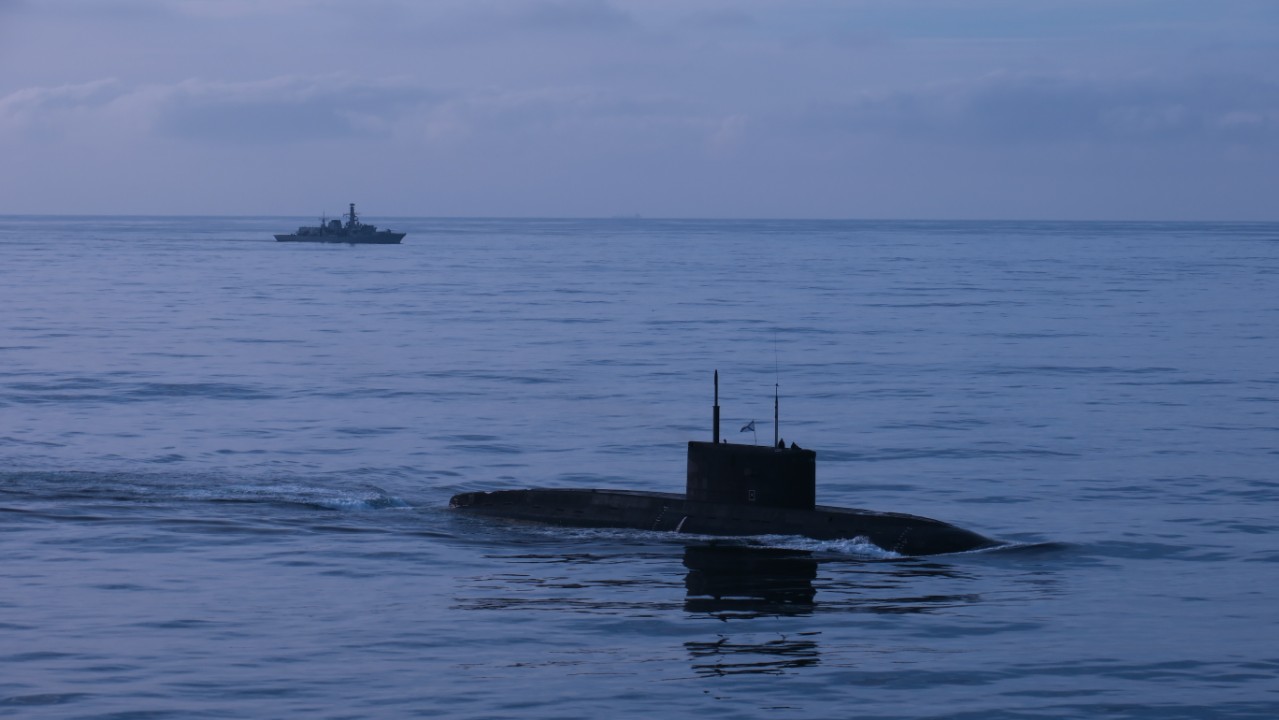
Oslo, Norway – Wes Streeting, the United Kingdom’s Defence Secretary, has revealed a significant increase in Russian maritime activity within the UK’s area of responsibility in the High North, reporting a 41 per cent rise this year. Speaking at the Atlantic Future Forum aboard HMS Prince of Wales in Oslo, Mr. Streeting underscored the strategic importance of the High North, emphasizing that Britain shares an “open sea border” with Russia in the region, a perspective echoed by the Ministry of Defence.
During his keynote address, the Defence Secretary asserted that the threat posed by Russia extends beyond Eastern Europe, directly impacting British security interests. “The UK too shares an open sea border with Russia – here in the High North,” Streeting stated, adding, “That puts the waters of the High North on the frontline of Britain’s security. High North security is homeland security.”
Streeting detailed Russia’s ongoing efforts to rebuild its military presence in the High North even amidst its war in Ukraine. These efforts, attributed to President Vladimir Putin, include the establishment of new military bases, the imposition of restrictions on navigation, and the strengthening of Russia’s Northern Fleet. The Defence Secretary described the region as a vital “causeway from Europe to North America” and “the gateway to Britain’s backyard,” highlighting its critical strategic value.
In response to the escalating activities, the High North has become one of the Royal Navy’s busiest operational theatres. Streeting confirmed plans for over 50 ship visits to the region in 2025, with this enhanced presence expected to be sustained into 2026. Complementing the naval deployments, the UK has also significantly increased its troop presence in Norway, doubling numbers to 2,000 personnel. This includes 1,500 commandos who participated in Exercise Cold Response earlier this year, demonstrating Britain’s commitment to land-based readiness in the Arctic environment.
The Defence Secretary outlined specific instances of UK intervention and deterrence. He reported that British forces had “exposed a covert GUGI submarine operation mapping undersea cables in the High North and North Atlantic.” GUGI, Russia’s Main Directorate of Deep-Sea Research, is known to operate specialist deep-sea submarines and survey vessels, making such mapping operations a significant concern for critical infrastructure security. Furthermore, UK F-35B fighter jets successfully intercepted a Russian reconnaissance and anti-submarine warfare aircraft as it operated in close proximity to a British Carrier Strike Group.
Beyond direct military encounters, the UK has also targeted Russia’s economic lifeline. Streeting announced sanctions against more than 500 vessels belonging to Russia’s “shadow fleet,” which are used to circumvent international restrictions on oil exports. He cited the interdiction of the vessel *Smyrtos* in the English Channel in June as particularly effective, forcing these ships to seek alternative, longer, and more costly routes. This disruption, Streeting noted, “damages the funding of Putin’s war machine” by increasing the logistical and financial burden on Russia’s illicit oil trade.
Looking to bolster future capabilities, Streeting announced strategic procurements for the Royal Navy. The UK is acquiring eight Type 26 anti-submarine frigates, which are designed for advanced anti-submarine warfare and will operate alongside five Norwegian naval vessels, enhancing interoperability and collective defence. In a further move to strengthen maritime security, the Royal Navy will purchase three Norwegian standardised vessels to serve as mine-hunting motherships, with an option for three additional units. These vessels are crucial for maintaining safe navigation through contested waters and protecting vital sea lanes.
These developments align with broader warnings from figures such as General Sir Gwyn Jenkins, the First Sea Lord, who has also highlighted the UK’s “open border” with Russia to its north. The UK’s comprehensive strategy, including initiatives like the previously launched “Atlantic Bastion” to counter Russian naval aggression, underscores a determined effort to safeguard national interests and uphold international maritime security in a rapidly evolving geopolitical landscape.
Why This Matters
The significant increase in Russian activity in the High North, as reported by the UK Defence Secretary, signals a critical shift in global security dynamics with far-reaching implications for the United Kingdom, its NATO allies, and international stability. The Arctic and surrounding waters, once considered a remote frontier, are rapidly becoming a new geopolitical flashpoint due to climate change opening new shipping routes and increased competition for natural resources.
For the UK, the High North is not merely a distant theatre but, as Streeting emphasized, directly impacts homeland security. The mapping of critical undersea cables by Russian specialist submarines poses a direct threat to the digital infrastructure that underpins global communications, finance, and energy networks. Disruption to these cables could cripple economies and societies, highlighting the vulnerability of modern connectivity to state-sponsored sabotage. Furthermore, the North Atlantic is a vital artery for transatlantic trade and energy supply, making secure navigation paramount for the UK’s economic resilience and energy security.
The UK’s robust response—including increased naval presence, troop deployments, and strategic procurements like anti-submarine frigates and mine-hunting motherships—reflects a proactive stance to deter aggression and protect its interests. This commitment is crucial for reinforcing NATO’s collective defence posture, particularly in the alliance’s northern flank. Collaboration with Norway and other Arctic nations is essential for presenting a united front against challenges to freedom of navigation and the rules-based international order.
The disruption of Russia’s “shadow fleet” and its oil revenues also demonstrates the effectiveness of targeted sanctions and interdiction efforts in impacting Russia’s ability to fund its war in Ukraine. This economic pressure, alongside military vigilance, forms a comprehensive strategy to counter Russian influence. Ultimately, the escalating tensions in the High North underscore the imperative for sustained international cooperation, vigilance, and investment in defence capabilities to manage the growing risks and ensure stability in a region of increasing strategic importance.