
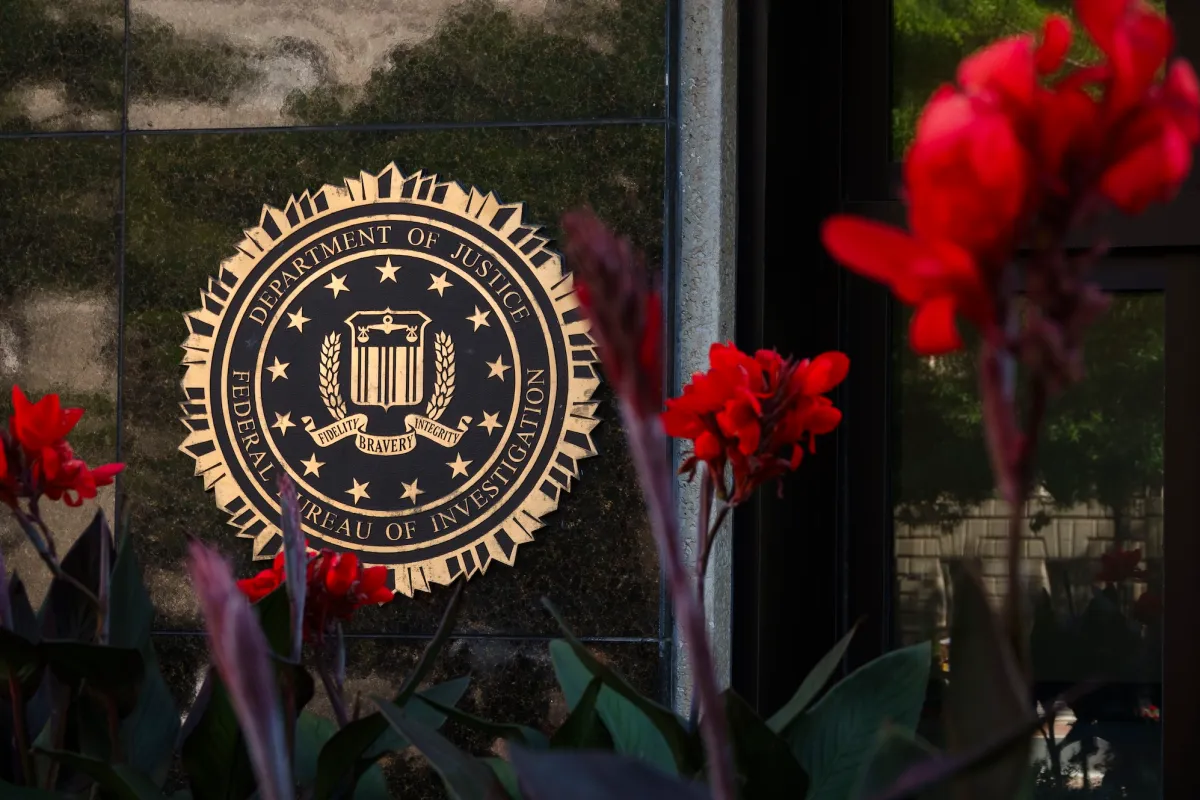
The FBI is investigating an apparent hack of the National Crime Information Center (NCIC), according to reports in CNN and the Associated Press.
**Key Takeaways:**
* **Critical Infrastructure Compromised:** The National Crime Information Center (NCIC), a vital database for U.S. law enforcement, is reportedly under FBI investigation for a cyberattack, raising alarms about the security of critical federal data systems.
* **Data Integrity Concerns Paramount:** Beyond potential data exfiltration, experts are deeply concerned about the compromise of data accuracy within the NCIC, which could severely undermine law enforcement operations and public safety.
* **Pattern of Federal Vulnerability:** This incident follows a September cyberattack where FBI personnel data was stolen, highlighting a recurring pattern of security vulnerabilities within federal agencies and demanding a robust re-evaluation of national cybersecurity defenses.
## **Digital Frontline Breach: FBI Investigates Apparent Hack of National Crime Information Center**
The digital bulwark safeguarding sensitive law enforcement information across the United States appears to have been penetrated. Reports from CNN and the Associated Press confirm that the Federal Bureau of Investigation (FBI) has launched a full-scale investigation into an apparent cyberattack targeting the National Crime Information Center (NCIC). This incident sends immediate ripples of concern through federal agencies and cybersecurity circles, spotlighting the persistent vulnerabilities that plague even the most critical government infrastructures.
The NCIC isn’t just another database; it’s the digital backbone of federal, state, and local law enforcement operations nationwide. Housing a vast repository of crucial information – from warrants and stolen property records to criminal histories, protective orders, and missing persons reports – it serves as an indispensable tool for officers in the field, dispatchers, and investigators. Any compromise to its integrity or accessibility could have profound and far-reaching consequences, potentially jeopardizing ongoing investigations, undermining the justice system, and even endangering public safety. At present, the full scope of the breach remains shrouded in uncertainty, leaving a host of unanswered questions about the extent of access gained by the attackers and the nature of the data potentially exposed or altered.
### **Beyond Data Theft: The Peril of Compromised Integrity**
While the immediate concern in any cyberattack typically gravitates towards data theft, the NCIC breach introduces a far more insidious threat: the potential compromise of data accuracy. A former FBI official, speaking to CNN, articulated this critical distinction, emphasizing that the worry extends beyond “whether hackers gained access to sensitive information, although that is an issue, but whether they could compromise the accuracy of the information that officers rely on.”
This concern is not theoretical; it strikes at the very core of law enforcement efficacy. Imagine a scenario where a warrant is falsely entered or deleted, a background check returns incorrect information, or a critical piece of evidence is subtly altered within the database. The ramifications could be catastrophic: innocent individuals could be wrongly detained, dangerous criminals could slip through the cracks, or officers could be sent into situations based on erroneous intelligence. The integrity of the NCIC is paramount, forming the bedrock of trust upon which countless daily law enforcement decisions are made. A loss of faith in this data would introduce paralysis and chaos, eroding the operational effectiveness of agencies across the country.
### **Official Responses and Political Undercurrents**
The gravity of the situation prompted a direct response from the highest office. President Donald Trump addressed the reports during an interview Saturday with Fox News, acknowledging the severity of the situation. “We just heard about it and I will say that it’s not good,” Trump stated. However, his comments then took an unexpected turn, suggesting that as a result of the breach, “maybe we’ll learn things that we would have never learned otherwise because, you know, you had the Russia, Russia, Russia hoax.” While such political framing is not uncommon, especially in the context of high-profile cyber incidents, it injects an additional layer of complexity into what is fundamentally a national security and cybersecurity crisis. For cybersecurity experts and law enforcement officials, the immediate focus remains on containment, forensic analysis, and shoring up defenses, rather than seeking political narratives. The FBI, true to form in ongoing investigations, has largely remained tight-lipped, offering limited public details beyond confirming the investigation is underway.
### **A Disturbing Pattern: Federal Cybersecurity Under Scrutiny**
This NCIC incident doesn’t occur in a vacuum; it’s the latest in a series of alarming cybersecurity lapses impacting federal agencies. Notably, in September, the FBI itself reportedly informed agents and support staff that their personal information had been stolen in a separate cyberattack. This recurring pattern raises profound questions about the overall cybersecurity posture of federal institutions. Are federal networks adequately funded, staffed, and equipped to withstand the onslaught of sophisticated state-sponsored attackers, organized cybercriminal syndicates, and highly motivated hacktivist groups?
Each breach chips away at public trust and emboldens adversaries. It underscores a persistent challenge: the immense and complex attack surface presented by vast government networks, often comprising legacy systems alongside newer technologies, all requiring constant vigilance and robust defense. The repeated penetration of federal systems suggests a need for a fundamental re-evaluation of cybersecurity strategies, investment in cutting-edge defensive technologies, and comprehensive training for personnel across all levels of government.
### **The Broader Implications: Trust, Operations, and Future Threats**
The implications of an NCIC breach extend far beyond the immediate technical details. For the millions of law enforcement professionals who rely on this system daily, it creates an environment of uncertainty and potential operational hesitancy. For the public, it erodes confidence in the government’s ability to protect sensitive data and maintain order. Moreover, such a high-profile attack serves as a stark reminder of the escalating cyber warfare landscape, where critical national infrastructure and data are constant targets. The ability of hostile actors to disrupt, corrupt, or exfiltrate data from such a central repository could be leveraged for intelligence gathering, disinformation campaigns, or even to sow societal discord.
The FBI’s investigation into the NCIC hack is not merely a technical probe; it’s a critical examination of national security vulnerabilities. The findings of this investigation will undoubtedly inform future cybersecurity policies and hopefully drive urgent improvements to the defenses guarding America’s most vital digital assets.
### **Bottom Line**
The reported breach of the National Crime Information Center is a severe cybersecurity incident that demands immediate and comprehensive attention. While the full extent of the damage remains unclear, the potential for compromised data integrity poses a grave threat to law enforcement operations and public safety. This event, following other recent federal breaches, underscores an urgent need for a robust overhaul of government cybersecurity defenses, ensuring that critical national systems are impenetrable to increasingly sophisticated adversaries. The nation’s trust in its justice system and the efficacy of its law enforcement hinges on the unassailable integrity of databases like the NCIC.
Source:{feed_title}