
**Key Takeaways:**
- **Microdramas Embrace AI for Scale & Profit:** Startup Shortical is aggressively pivoting from live-action to AI-generated content, driven by significantly lower production costs and the potential to churn out “epic fantasies” at speed.
- **Actors License Likenesses, Sparking a New Creator Economy:** Israeli star Aki Avni has become a pioneer, licensing his digital avatar for an AI series, paving the way for Shortical’s “LICENSE YOUR FACE” program, which aims to onboard more individuals into this potentially gig-economy-driven model.
- **Industry Divided: Innovation vs. Erosion:** While promising creative freedom and financial efficiency, this AI shift raises significant concerns among creatives about job displacement, fair compensation, and the potential erosion of authentic audience demand, with some experts calling it a “decimation” of entry-level opportunities.
Shortical’s Script Flip: When Soapy Microdramas Meet AI’s Frontier
For the past year, the microdrama landscape has been dominated by a familiar formula: bite-sized, two-minute episodes delivering a steady diet of soapy, melodramatic narratives, almost exclusively centered on risqué romances. These cliff-hanger-happy sagas, designed to keep viewers glued to their phones, have found a sweet spot in the modern attention economy. At the forefront of this trend, particularly in the U.S. market, is Shortical, a startup founded last January that quickly established itself with popular live-action titles like “Crossing the Line with My Neighbor,” “Accidentally Married My Boss,” and “Spoiled by My Billionaire Sugar Daddy.” Its primary monetization strategy is simple: offer the first 7-10 episodes free, then gate the rest behind a small monthly subscription.
However, a significant shift is underway. A glance at Shortical’s homepage reveals a rapid, wholesale pivot. The once-dominant live-action productions are now overshadowed by a gush of AI-generated content. The rationale isn’t shrouded in mystery: the financial incentives are overwhelming. Production overhead for AI content is dramatically lower than for traditional live-action, promising substantially higher profit margins if a dedicated audience can be cultivated and retained. This move marks Shortical’s bold — and somewhat controversial — bet on the future of entertainment production.
The AI Imperative: Scaling Dreams and Cutting Costs
Shortical’s embrace of AI isn’t just about efficiency; it’s about unbounded creative potential, according to CEO Guy Shimoni. “One of the things that AI does is it enables smaller teams to be able to produce these movie-scale productions,” Shimoni explains. He envisions a world where the constraints of budget no longer limit narrative ambition. “When we were doing mobile-first live action, we were limited by budget, but now we can serve them with epic fantasies. We have kingdoms and dragons. We have superheroes. We have werewolves.” The allure of conjuring fantastical realms and mythical creatures without the logistical nightmares and exorbitant costs of traditional filmmaking is clearly a powerful driver for the company.
But who exactly is consuming AI-generated romances involving werewolves and billionaire sugar daddies? Apparently, a significant and growing demographic. While China remains the global epicenter of microdrama consumption, Shimoni notes that a surprising majority of Shortical’s viewers reside in the U.S. The industry’s audience skews heavily female, often watching to unwind at night, seeking minor dopamine hits from rapid-fire plot twists before drifting off to sleep. Many of the existing AI-generated programs on Shortical’s platform already boast millions of views, suggesting a receptive, if perhaps less discerning, market.
Aki Avni’s Leap: The Face in the Machine
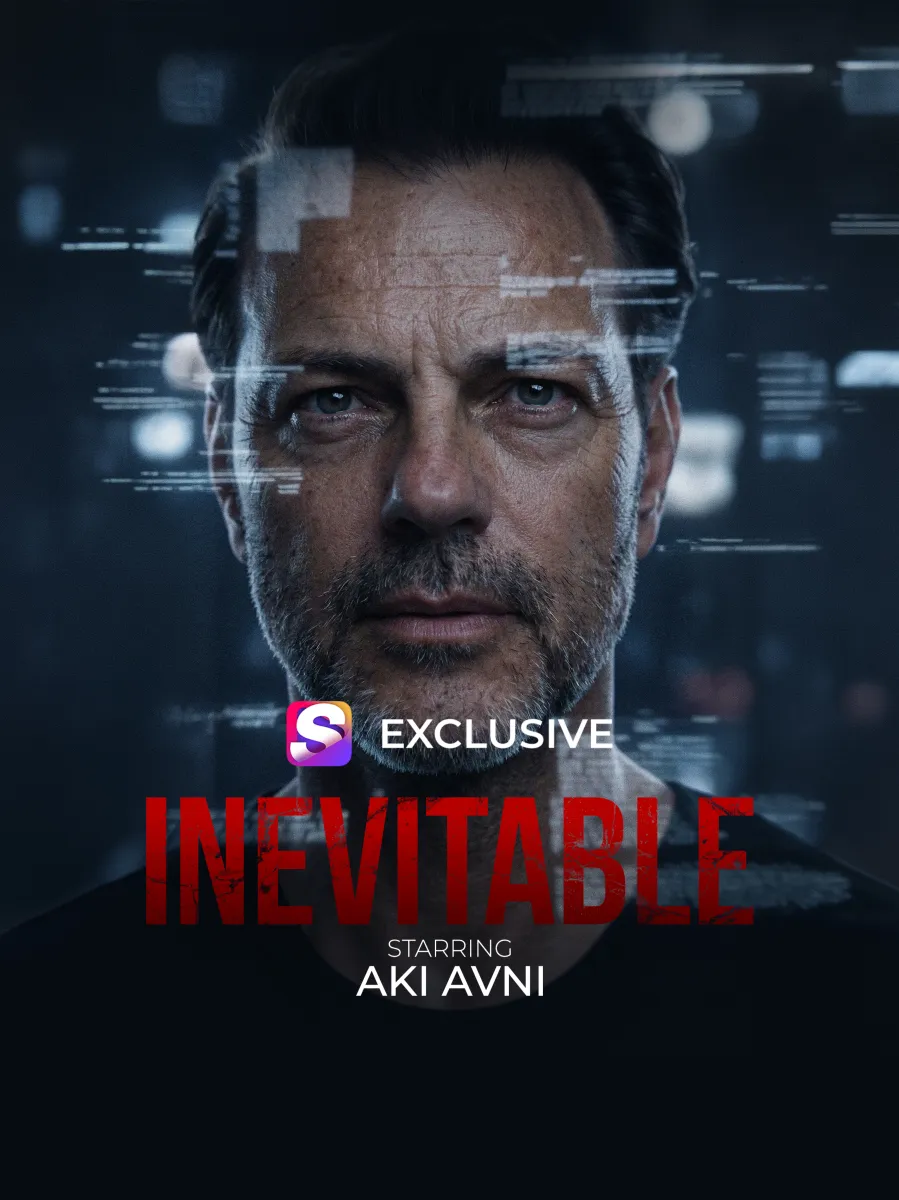
Last week in Los Angeles, Shortical premiered its latest microdrama, “Inevitable.” This series is significant not just for its wholly AI-generated nature, but for its star: Aki Avni. An acclaimed Israeli film and television actor with a long history of visibility in American productions, Avni (remember his stint on Fox’s “24”?) is now venturing into largely uncharted territory in modern Hollywood: licensing his face to Shortical for the creation of a digital avatar. In a meta-narrative twist, Avni plays himself in “Inevitable,” portraying an actor who licenses his likeness to a film studio, which then leads to a thriller-esque plot. This project represents Shortical’s first foray into such a high-profile licensing deal, a precedent that is unlikely to be its last.
For Avni, the experience has been a mix of apprehension and excitement. “Look, it’s a new era for artists,” he told TechCrunch in a phone interview. “AI is a new kind of art. It’s a new format. It’s always great to be the pioneer in something.” His sentiment reflects a broader industry debate: is this a terrifying harbinger of job displacement, or an exhilarating new canvas for creative expression? Avni, for now, chooses the latter, embracing the role of an early adopter in a rapidly evolving technological landscape.
“License Your Face”: A New Creator Economy or a Race to the Bottom?
Building on the “Inevitable” precedent, Shortical is actively betting on the creation of an entirely new generation of creators – individuals, like Avni, willing to surrender their likenesses for compensation. Its website boldly advertises “LICENSE YOUR FACE,” inviting interested parties to submit their social media handles. The company then evaluates these submissions to potentially offer “a contract setting out the terms” for using their persona in Shortical’s AI-generated content.
While still in its nascent stages – a company representative confirmed to TechCrunch that this “offering is still in its early days and hasn’t yet resulted in any signed contracts” – the initiative aims to capitalize on the buzz generated by Avni’s series. The rep added, “The series with Aki is the first time Shortical has used a real person’s likeness, and it was done through a direct agreement with him rather than through the platform. Shortical hopes the series will draw more attention to face licensing and plans to promote the offering more actively following this launch.”
This trend is not entirely novel. In China, where the microdrama industry originated and AI-generated content is booming, face-licensing is already a common practice. However, it’s often a far cry from a lucrative endeavor for creators. A recent report in Rest of World highlighted that Chinese microdrama firms were paying individuals a paltry “between US$15 to US$700 to license their facial likenesses.” The question of compensation for Shortical’s general offering remains deliberately vague. CEO Shimoni offered a noncommittal “It’s a case by case [basis]” when asked about royalty-based compensation akin to traditional residuals. While Shortical didn’t disclose a “specific figure” for Avni’s contract, they stated his compensation was “in line with industry standards for a comparable non-AI acting role,” suggesting a premium for pioneers, but implying that deals for future licensors might be significantly different.
Unsettled Waters: Industry Concerns and Ethical Quagmires
Understandably, many creatives in the entertainment industry are deeply unsettled by the swift creep of automation into their livelihoods. Microdramas, until recently, offered a perceived safe, entry-level gateway for young actors to gain experience and hone their craft. Now, companies like Shortical are downsizing, producing content that bypasses the need for human actors altogether.
Jennifer Cooper, a longtime industry observer and founder of the consultancy Vertical Drama Love, articulates the palpable distrust of AI, both from audiences and within the microdrama sector itself. “Everyone’s been impacted by AI,” she states bluntly. “A lot of us have either lost work to AI or can see that it’s devastated this industry — [taking microdramas] from something that was a rare thing in the world, that was in growth, and providing work, particularly for young people…[and now] you know, it’s been decimated.” Cooper’s stark assessment underscores the anxieties surrounding job displacement and the fundamental reshaping of creative career paths.
Beyond jobs, questions of consent regarding AI likenesses have also plagued the industry, with some creators claiming their images have been stolen. Shortical’s face-licensing endeavor is a direct attempt to address this ethical minefield by establishing clear contractual agreements. However, these deals could inadvertently usher in a “gig-ification” of the creative industry, where individuals might pay a distributor for the chance to platform their content (or their face), with payouts tied to audience engagement. Shortical’s recent partnership with Payouts.com, a “payout infrastructure platform powering creator and gig economy disbursements at scale,” hints at this future, aiming to streamline compensation for creatives within their evolving platform.
Cooper further posits that the relentless push towards AI in microdramas is not solely driven by audience demand but by broader financial trends. In the startup-heavy microdrama business, venture capitalists are keenly interested in growth strategies that prominently feature automation. “For anyone to get investment at the moment in microdramas, they’ve got to mention the word AI,” she observes. “It’s like AI equals gold in everyone’s eyes.” This investor-driven enthusiasm, she fears, might be detached from actual audience preference. “Some of it does get views. A lot of it doesn’t,” she says of current AI content. “I think it’s being pushed on an audience more than there is an audience demand or wish for it.”
The Bottom Line: A Risky Bet on an Automated Future
Shortical’s aggressive pivot to AI-generated microdramas and its pioneering “face-licensing” initiative represent a bold, yet risky, gambit at the intersection of technology and entertainment. While promising unprecedented creative scale, cost efficiency, and potentially a new model for creator compensation, this shift also casts a long shadow over the human element of filmmaking. It raises critical questions about job security for actors and crew, the true nature of audience demand for AI content, and the ethical implications of leveraging digital likenesses. As Shortical navigates these uncharted waters, its journey will serve as a crucial test case for whether AI truly democratizes content creation, or if it simply automates the creative industry into a gig economy driven by investor gold, potentially at the expense of genuine artistic endeavor and human talent.
When you purchase through links in our articles, we may earn a small commission. This doesn’t affect our editorial independence.
{content}
Source:{feed_title}