
**Key Takeaways**
1. **Mounting Regulatory Pressure:** Waymo, Alphabet’s autonomous driving unit, faces escalating scrutiny from both federal and state regulators, signaling significant hurdles and potential delays for the commercial deployment of Level 4 autonomous vehicles.
2. **Impact on Alphabet’s Vision:** These incidents and recalls, coupled with operational restrictions, cast a shadow over Alphabet’s multi-billion-dollar investment in Waymo, potentially impacting investor sentiment regarding the long-term profitability and scalability of its ambitious AV venture.
3. **Industry-Wide Repercussions:** The challenges encountered by Waymo underscore the profound technical, safety, and public trust issues inherent in the autonomous vehicle sector, suggesting a more protracted and capital-intensive path to widespread adoption for all players.
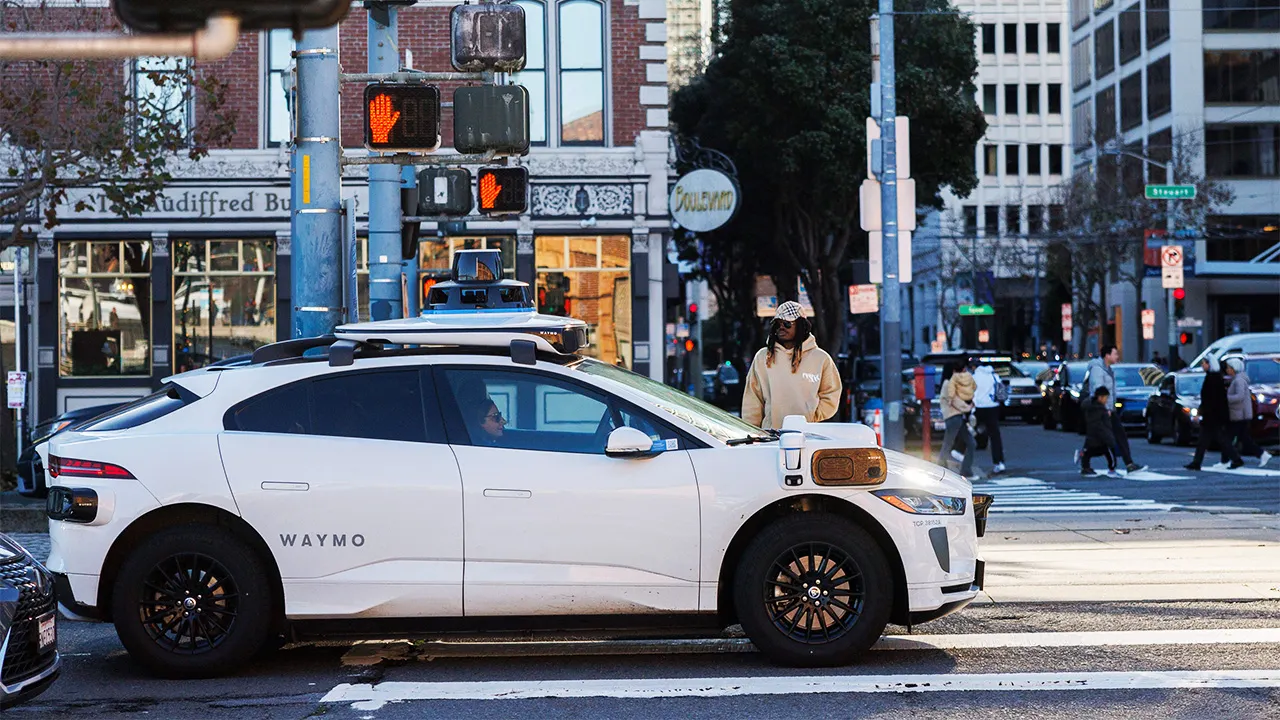
‘Barron’s Roundtable’ panelists discuss the growth of autonomous ride-shares and what Waymo’s success means for the industry.
**Waymo Recalls Highlight Intensifying Regulatory Scrutiny Amidst Autonomous Vehicle Market Headwinds**
In a development that sent fresh ripples of concern through the nascent, yet heavily capitalized, autonomous vehicle (AV) industry, Alphabet-owned Waymo announced two voluntary safety recalls affecting its robotaxis. These recalls, filed with the National Highway Traffic Safety Administration (NHTSA) last week, address critical issues involving navigation in closed freeway lanes and responsiveness to manual traffic control, just days after California regulators severely restricted Waymo’s operations on state freeways. The confluence of these events signals a hardening regulatory environment and could force investors to recalibrate their expectations for the sector’s ambitious timelines and profitability.
The self-driving car company specified that the recalls aim “to strengthen how the Waymo Driver navigates closed freeway lanes and intersections with manual traffic control.” The first recall targets “unusual circumstances” where a Waymo vehicle might inadvertently enter and continue driving in a closed freeway lane. While Waymo stated no collisions or injuries have been reported in connection with this specific issue, the very notion of an autonomous vehicle entering a hazardous, closed lane highlights the profound challenges in programming for every conceivable “edge case” in dynamic real-world environments. For investors, such incidents represent not just technical glitches, but potential liabilities and a drag on the public trust essential for mass adoption.
Waymo announced two safety recalls involving its self-driving vehicles over issues with closed freeway lanes and manual traffic control, days after California barred its robotaxis from operating on freeways.(Armando L. Sanchez/Chicago Tribune/Tribune News Service via Getty Images / Getty Images)
A separate recall addresses Waymo’s vehicles’ response to law enforcement officers or emergency personnel directing traffic at intersections. This recall stemmed from a reported collision where a Waymo vehicle initially followed an officer’s directions but then encountered an issue when the officer became temporarily obscured from its view. Waymo noted that the software update to address this particular vulnerability was completed on November 6. While software updates are common in the tech world, in the context of autonomous vehicles, they carry significant weight, impacting safety perception and regulatory compliance. Each such incident, even if resolved via software, adds to the cumulative data regulators analyze when assessing the broader safety profile of AV technology.
In a statement provided to FOX Business, a Waymo spokesperson adopted a defensive but proactive stance, characterizing the voluntary recalls as integral to its continuous efforts to enhance its autonomous driving technology. “We hold our technology to high safety standards and take proactive actions whenever we see opportunities to improve performance,” the spokesperson affirmed. “These are standard steps in our rigorous safety approach to validating and refining our technology as we scale to more complex driving environments.” The company also clarified that these voluntary recalls, being software-based, do not necessitate the removal of its vehicles from service – a crucial distinction that mitigates immediate operational impact but does little to assuage underlying market concerns about systemic challenges.
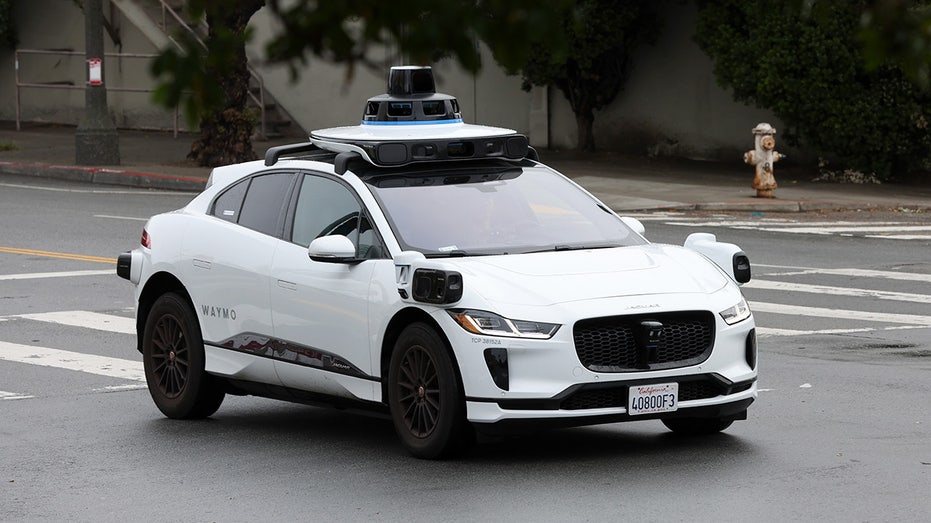
A Waymo autonomous vehicle drives along Masonic Avenue on April 11, 2022, in San Francisco, California. (Justin Sullivan/Getty Images / Getty Images)
These recalls arrive on the heels of a far more significant blow to Waymo’s operational ambitions: the California Department of Motor Vehicles (DMV) earlier this month ordered its robotaxis off all California freeways. This drastic measure, effective November 11, followed a “string of incidents” that led state regulators to declare Waymo’s driverless vehicles an “imminent hazard to public safety.” Among the reported incidents were three Waymo vehicles entering an active construction closure near Burlingame and a separate incident involving California Highway Patrol vehicles in San Francisco. This freeway ban is a substantial setback, limiting Waymo’s ability to demonstrate advanced autonomous capabilities in high-speed, multi-lane environments—a critical step toward broader commercialization and a key differentiator for public acceptance. While Waymo confirmed its robotaxis continue operating normally on surface streets, the restriction significantly curtails its growth trajectory in a pivotal market.
The regulatory pressure extends beyond California. Last week, NHTSA initiated a separate recall query targeting Waymo over multiple incidents where its robotaxis reportedly drove by stopped school buses, raising concerns about pedestrian and child safety. Furthermore, NHTSA and the National Transportation Safety Board (NTSB) continue their investigations into the company following a Waymo self-driving vehicle striking a child in January near an elementary school in Santa Monica, California. This multi-pronged regulatory assault—state-level operational bans, federal recall queries, and accident investigations—paints a picture of an industry under intense scrutiny, directly impacting the investment calculus for Alphabet and other AV developers.
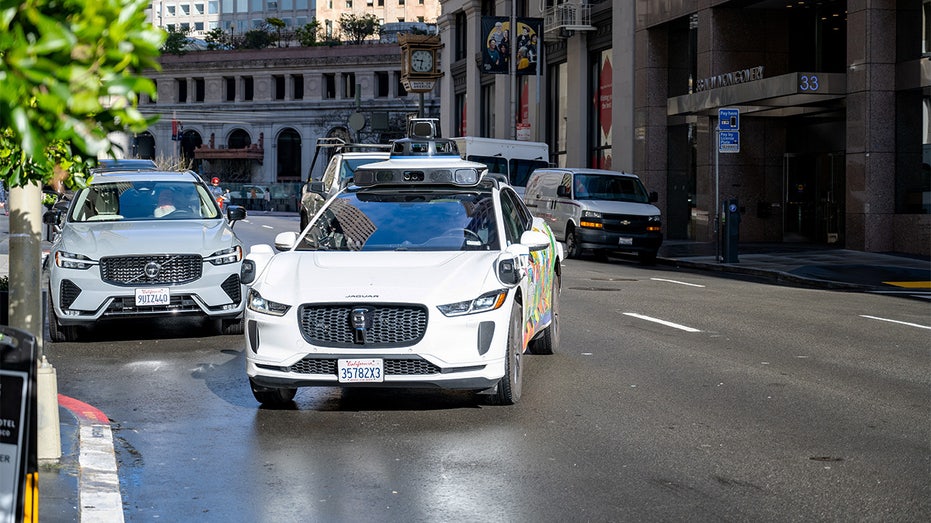
Alphabet-owned Waymo faces increased regulatory scrutiny after California officials restricted its driverless vehicles from operating on freeways following multiple safety incidents.(Smith Collection/Gado/Getty Images / Getty Images)
For Alphabet (NASDAQ: GOOGL, GOOG), Waymo represents a long-term, multi-billion-dollar bet on the future of mobility and a diversification beyond its core advertising business. While Waymo’s recent valuation was estimated in the tens of billions, these incidents and regulatory headwinds introduce considerable uncertainty into its path to profitability. Delayed widespread deployment means delayed revenue generation, pushing out the timeline for a return on Alphabet’s substantial capital expenditure. The challenges faced by Waymo also resonate across the broader autonomous vehicle landscape, affecting competitors like General Motors’ Cruise, which recently suspended all driverless operations after a serious incident in San Francisco, and even Tesla’s “Full Self-Driving” aspirations. The market is now increasingly aware that the transition to fully autonomous driving is far more complex, costly, and regulated than initially anticipated, prompting a more cautious outlook from investors and analysts alike.
**GET FOX BUSINESS ON THE GO BY CLICKING HERE**
*FOX Business’ Stepheny Price and Reuters contributed to this report.*
**Market Impact**
The escalating regulatory pressures and operational restrictions on Waymo carry significant market implications, particularly for its parent company, Alphabet (GOOGL). While Waymo is a relatively small part of Alphabet’s colossal market capitalization, its setbacks represent a drag on the conglomerate’s ambitious “Other Bets” portfolio, potentially dampening long-term growth narratives and investor confidence in its diversification strategy. For the broader autonomous vehicle sector, these events signal a clear paradigm shift: the era of rapid, unregulated deployment is over, replaced by a much stricter, safety-first regulatory framework that will likely slow down commercialization timelines and increase R&D costs across the board. This could lead to a re-evaluation of valuations for private AV startups and exert downward pressure on public companies heavily invested in the space. Furthermore, the incidents exacerbate public skepticism, potentially slowing consumer adoption and impacting the insurance industry’s risk assessment models for autonomous fleets. In essence, the market is signaling a necessary, albeit painful, recalibration of expectations for an industry that continues to promise revolutionary change but faces formidable real-world challenges.