
FOX Business’ Madison Alworth analyzes consumer pull back on spending as retailers face higher costs, while Goldman Sachs managing director Kate McShane sees shoppers remaining strong.
Key Takeaways:
- Robust Q3 Performance Driven by Value:Ross Stores delivered impressive third-quarter results, with a 12% sales increase and an 8% jump in same-store sales, significantly outperforming expectations as consumers increasingly sought out bargains amidst persistent inflationary pressures.
- Investor Caution on Forward Guidance and Margin Compression:Despite the strong Q3, shares dipped as investors reacted to a more conservative holiday sales forecast (4-5% same-store sales growth) and persistent margin headwinds from elevated fuel and freight costs, signaling potential challenges to future profitability.
- Strategic Resilience in Off-Price Model:Ross’s aggressive store expansion and commitment to low prices position it favorably in a market where value is paramount, yet its ability to sustain growth will hinge on effectively managing cost pressures and maintaining its broad appeal across various income levels.
In a retail landscape increasingly bifurcated by economic pressures, off-price giant Ross Stores (NASDAQ: ROST) once again demonstrated its resilience, reporting robust third-quarter sales that surpassed analyst expectations. However, investor enthusiasm proved fleeting, as shares of the discount retailer experienced a Friday dip following a cautious outlook for the crucial holiday season and ongoing concerns over escalating operational costs. This nuanced market reaction underscores the heightened sensitivity to future guidance and margin pressures, even for companies thriving in the current inflationary environment where consumers are actively pulling back on discretionary spending as noted by FOX Business’ Madison Alworth, contrasted by Goldman Sachs’ Kate McShane’s view of continued shopper strength.
The company, which operates its namesake Ross Dress for Less and dd’s DISCOUNTS banners, pulled in a substantial $6.26 billion in sales for the quarter ended October 31, a significant 12% increase from $5.6 billion a year prior. This growth was not merely a top-line expansion but was underpinned by an impressive 8% surge in sales at stores open for at least a year, primarily fueled by a notable increase in customer traffic. This metric, often considered a crucial indicator of a retailer’s health and consumer engagement, suggests that Ross is successfully capturing a growing segment of consumers who are actively trading down or seeking better value for their dollar in response to persistent inflation and tighter household budgets. Net income climbed to $606 million, translating to $1.91 per share, comfortably exceeding the company’s internal profit targets and signaling strong operational execution within its value-driven model.
Despite these commendable results, Ross Stores shares closed down 2.92% on Friday at $213.46. The market’s cool reception, even in the face of an earnings beat, reflects a common theme in contemporary equity markets: future guidance often outweighs past performance. Investors appeared particularly cautious after the company maintained its forecast for a more modest 4% to 5% comparable store sales growth during the highly anticipated holiday quarter. This projection marks a discernible step down from the third quarter’s robust 8% pace and a significant deceleration from last year’s impressive 9% holiday surge, suggesting a potential tempering of consumer spending or an increasingly competitive environment as the calendar shifts towards year-end promotions, leading analysts to adjust their models.
WALMART SHOPPERS STOCKED UP ON EMERGENCY SUPPLIES AFTER SERIES OF TECH OUTAGES: REPORT
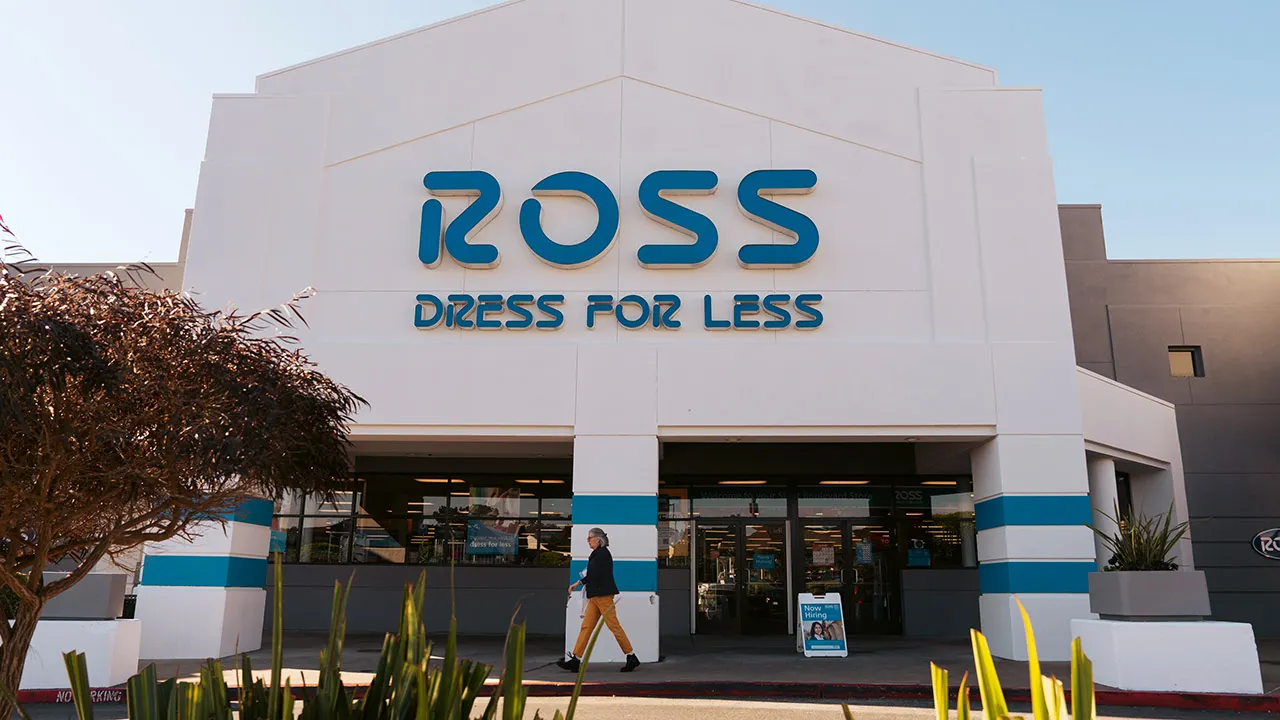
A Ross store in San Francisco, California, on Nov. 12, 2023.(Michaela Vatcheva/Bloomberg via Getty Images)
During a November 19 call with analysts, Chief Financial Officer Bill Sheehan elaborated on the factors dampening the holiday outlook, specifically pointing to higher domestic freight expenses. These costs, exacerbated by rising fuel prices, have already begun to erode third-quarter margins and are expected to continue weighing on profitability into the fourth quarter. The broader economic context of elevated energy costs, persistent supply chain bottlenecks, and a tight labor market has become a recurring challenge for retailers across the spectrum, and off-price players like Ross, despite their lean operating models, are not immune. Sheehan indicated that the company’s fourth-quarter profit outlook, ranging from $2.16 to $2.25 per share, directly incorporates these anticipated cost pressures, leading to a more conservative earnings per share (EPS) forecast than some analysts might have initially projected.
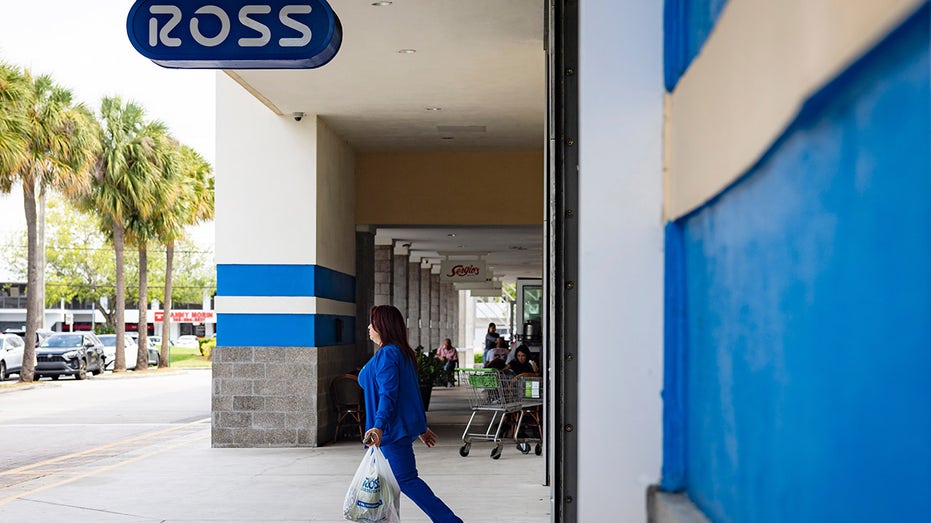
A Ross store in Miami, Florida, on May 17, 2024.(Eva Marie Uzcategui/Bloomberg via Getty Images)
However, CEO Jim Conroy offered a more sanguine perspective, pushing back on concerns that the holiday forecast signals a meaningful slowdown in underlying demand. He emphasized that the fourth quarter is “off to a very solid start,” attributing any earlier slowdown in fall apparel sales to unseasonably warm weather in late October, a common seasonal volatility factor for apparel retailers. Conroy’s commentary reflects a strategic intent to maintain competitive pricing, stating, “We are cognizant of the fact that there’s a lot of inflationary pressure, consumer confidence is extremely low. We want to keep our prices low for our customers, particularly in today’s environment.” This commitment to value pricing is a cornerstone of Ross’s business model and is likely a key driver of its sustained traffic growth, even as other retailers grapple with softening demand for full-priced merchandise and consumer sentiment indicators remain subdued.
GRAND THEFT AUTO VI SHATTERS ENTERTAINMENT RECORDS WITH STAGGERING $3.79 DEBUT
Addressing a prevalent market theory, Conroy also actively refuted the notion that Ross’s recent growth is predominantly fueled by wealthier shoppers trading down from higher-end stores. He asserted that traffic gains have been “extremely consistent across incomes,” reinforcing the idea that the chain continues to appeal broadly and has no plans to abandon its core, modest-income shoppers. This broad-based appeal is crucial for the long-term sustainability of the off-price model, ensuring that the company isn’t solely reliant on temporary shifts in purchasing habits among affluent consumers. It suggests a deeply ingrained value proposition that resonates across demographic segments, making its growth more durable than some market observers might assume, especially when discretionary spending is under pressure across the board.
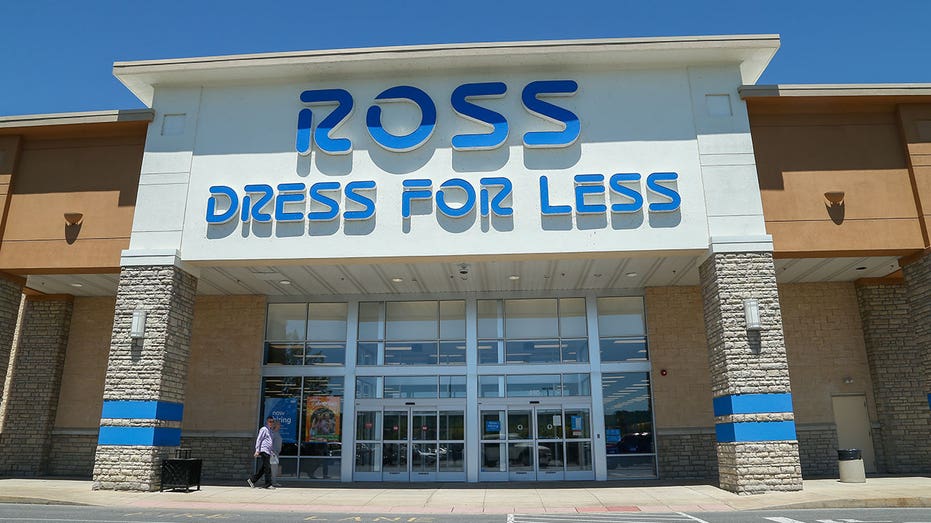
FILE: Shoppers walk in front a Ross Dress For Less store at Monroe Marketplace in Pennsylvania.(Paul Weaver/SOPA Images/LightRocket via Getty Images)
For the full fiscal year, Ross actually raised its profit outlook, now expecting between $8.75 and $8.84 per share. This upward revision is supported by its strong year-to-date momentum and a significant one-time boost of $253 million in federal tariff refunds recognized earlier in the year. Conroy confidently stated that the company is on track for “one of the strongest years in the company’s history,” a testament to its operational efficiency and strategic positioning despite macroeconomic headwinds. Furthermore, Ross continues its aggressive expansion strategy, opening 51 new stores during the quarter. This brought its total fiscal 2026 expansion to a record 115 new locations—five more than initially planned—and increased its nationwide footprint to 2,377 stores. This ongoing physical expansion signifies a belief in continued market opportunity and a strategy to capture additional market share, particularly in underserved regions or those experiencing demographic shifts towards value-conscious shopping.
CLICK HERE TO GET FOX BUSINESS ON THE GO
Market Impact:
Ross Stores’ latest earnings report offers a microcosm of the current retail environment, highlighting the ongoing tension between robust consumer demand for value and persistent inflationary pressures on operational costs. While the strong Q3 performance underscores the resilience and attractiveness of the off-price segment during economic uncertainty, the market’s cautious reaction to Q4 guidance suggests that investors are increasingly prioritizing future profitability and margin protection over past sales growth. This sentiment could ripple across the broader discount retail sector, prompting closer scrutiny of competitors’ cost structures and forward-looking statements. For full-price retailers, Ross’s continued success reinforces the challenge of maintaining pricing power when a significant portion of consumers are actively seeking alternatives, potentially forcing them to adjust strategies or risk losing market share. The report also serves as a reminder that macroeconomic factors like fuel prices, supply chain efficiency, and interest rate impacts on consumer financing remain critical determinants of corporate profitability, even for well-managed companies. Investors will likely monitor Ross’s ability to balance its aggressive expansion with effective cost management, as well as the broader trajectory of consumer confidence and discretionary spending, which will ultimately dictate the company’s and the sector’s performance in the coming quarters and influence broader retail sector valuations.