
Key Takeaways:
- Autonomous Vehicles Face a Reality Check:While Tesla aggressively expands robotaxi registrations, Waymo faces operational setbacks, highlighting the ongoing technical and regulatory hurdles in the race for driverless dominance.
- Las Vegas Becomes a Real-World A/B Test:Uber’s integration of Zoox and Motional robotaxis sets the stage for consumers to directly choose between human and AI drivers, potentially sparking labor debates and revealing true market preferences.
- GM Eyes a Transformative Leadership Shift:Rumors of CEO Mary Barra’s potential departure, backed by an executive search, signal a critical juncture for the automotive giant as it navigates the complex transition to electrification and autonomous technology.
Mobility’s Crossroads: AI’s Promise, Human Realities, and Leadership Shifts
Welcome back toTechCrunch Mobility, your essential dispatch from the front lines of transportation’s future. This edition plunges deep into the dynamic interplay of artificial intelligence, human choice, and corporate strategy that is rapidly reshaping how we move, exploring the triumphs, tribulations, and underlying forces at play. AI isn’t just an add-on anymore; it’s the engine driving innovation, challenging established norms, and even influencing leadership decisions at the highest levels of the automotive world. To stay ahead of these shifts, make sure tosign up here for free— just click TechCrunch Mobility!
The AV Race: Navigating Setbacks and Scaling Ambitions
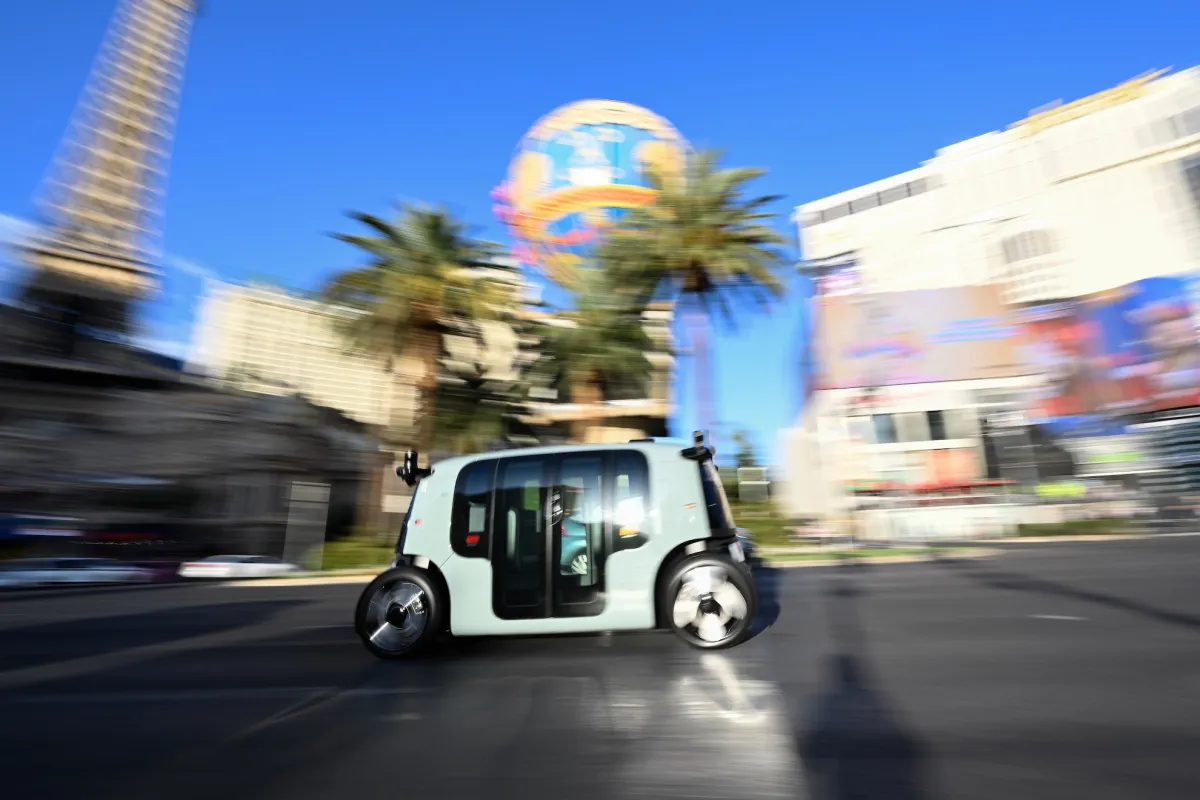
The autonomous vehicle (AV) industry continues its exhilarating, often frustrating, push-and-pull between groundbreaking progress and sobering reality checks. Case in point: Waymo, a pioneer in the robotaxi space, recentlypulled its robotaxis off freeways (again)in a move that underscores the technical complexities and safety considerations inherent in scaling this technology. Concurrently, Zoox robotaxis arelaunching on the Uber app, illustrating the relentless drive to bring these services to the public. These contrasting developments highlight the diverse strategies and ongoing challenges faced by companies vying for a slice of the driverless future.
While headlines often focus on specific launches or retreats, a deeper dive into the metrics reveals a nuanced landscape. Take, for instance, the intriguing situation in Texas, where Tesla has now surpassed Waymo in the number of robotaxis registered with the state, boasting 1,507 vehicles to Waymo’s 1,345. This raw registration count, however, can be misleading. A more telling metric for true operational scale and market leadership would be commercial driverless miles logged, or even driverless miles per vehicle, indicating efficiency. By these measures, Waymo still holds a discernible lead, based on available data. Yet, with Waymo’s recent freeway setback and Tesla’s aggressive push to expand its robotaxi fleet with so-called “Cybercabs,” that lead could rapidly diminish. The competition isn’t just about who has the most vehicles; it’s about who can operate them safely, reliably, and cost-effectively at scale.
It’s also crucial to remember that the future of transportation is unlikely to be a winner-take-all scenario. Transportation is inherently fragmented, both geographically and by user need. The U.S. alone, not to mention the rest of the world, offers ample room for multiple players to carve out niches, specialize in different environments, or partner in various capacities. The current dynamic is less about finding a single victor and more about observing how diverse approaches to autonomy evolve and adapt to real-world conditions and consumer demands.
Las Vegas: The Ultimate A/B Test – Humans vs. Robots
A recent discussion with my Autonocast co-host Ed Niedermeyer, whose insightful book, “Elon Take the Wheel,” hits shelves on December 1, brought into sharp focus the fascinating real-world experiment unfolding in Las Vegas. The city is rapidly becoming an unprecedented A/B test for human-driven versus autonomous ride-hailing services, offering a unique glimpse into consumer preferences and market dynamics.
As mentioned, Uber recently integrated Zoox into its ride-hailing app in Las Vegas. Initially, riders don’t have a direct choice; they can only increase their chances of being matched with a Zoox robotaxi and can decline the ride if they prefer a human driver. However, this is set to change dramatically. Uber CEO Dara Khosrowshahi announced during the company’s third-quarter earnings call in November that a dedicated autonomous option will soon be introduced in the app as “availability and reliability improve.”
This strategic move by Uber positions Las Vegas as the first U.S. city where riders can access two fully driverless partners through the Uber app, with Hyundai’s self-driving subsidiary Motional also being an active partner. The implications are profound: Uber riders will soon have a meaningful choice – a human driver, a Zoox robotaxi, or potentially even a Motional robotaxi. This direct comparison will provide invaluable data on what customers truly prefer when given the option. Factors like price, perceived safety, convenience, and novelty will all play a role in tipping the balance.
Such a direct competitive environment raises significant questions, particularly regarding the future of work. Will Las Vegas become the next major battleground for organized labor as robotaxis begin to compete directly and aggressively with human drivers? The economic pressures on human drivers could intensify, leading to calls for regulation, worker protections, or even new models of employment. The outcomes of this urban experiment will undoubtedly send ripples through the broader gig economy and the future of labor in an increasingly automated world.
Leadership in Transition: GM’s Search for the Next Visionary
The halls of General Motors are abuzz with speculation, fueled by a recent Wall Street Journal scoop revealing that the automotive giant is working with an executive search firm to identify potential candidates to replace CEO Mary Barra. While rumors of her imminent departure have circulated for months, this latest development suggests a concrete effort to plan for a leadership transition at a pivotal time for GM, a legacy automaker grappling with the seismic shifts of electrification and autonomous driving.
My “little birds” on the ground have chirped some additional details (and for the record, GM declined to comment on the matter). According to one source, GM has engaged Heidrick & Struggles, a prominent executive search firm, though it’s plausible other firms are also involved. The board is reportedly pursuing a two-track approach to its search, running simultaneously to cast a wide net.
The first track focuses on identifying “traditional yet transformative” automotive CEOs – individuals with deep industry experience who can also drive significant change. One name reportedly floated by the search firm is José Muñoz, the current president and CEO of Hyundai, a company that has shown remarkable agility in adapting to new market demands. The second track, conversely, seeks someone less traditional, perhaps a leader from outside the core automotive sector who brings a fresh, tech-centric perspective. Names like Doug Field, who recently became CEO of Mind Robotics after a notable career at Apple and Tesla, and Larry Culp of GE, known for his operational prowess, have reportedly been considered by sources with direct information. This dual approach signals GM’s recognition that its future may require a blend of automotive heritage and forward-thinking technological vision.
Internal candidates are also very much in the mix, reflecting GM’s commitment to developing its own talent pipeline. Sterling Anderson, co-founder of self-driving trucks company Aurora who ascended to chief product officer at GM in May 2025, and Paul Jacobson, the company’s executive vice president and chief financial officer, are reportedly being considered. The choice of GM’s next leader will undoubtedly signal the company’s strategic priorities for the coming decade, determining whether it leans into its manufacturing roots or accelerates its transformation into a mobility technology provider.
Got a tip for us? Email Kirsten Korosec atkirsten.korosec@techcrunch.com.
Fueling Innovation: Recent Mobility Deals

The flow of capital into the mobility sector remains robust, signaling continued investor confidence in disruptive technologies and sustainable solutions:
- Elysian Aircraft, the innovative Dutch aerospace company focused on aviation electrification technologies, secured €12 million in private and public funding from FideFlux, SecFund, and ROM InWest, alongside contributions from individual investors and family offices. This investment underscores the growing momentum behind electric flight and the pursuit of greener air travel.
- Mahindra Last Mile Mobility, a division of Mahindra & Mahindra dedicated to electric three-wheelers, is reportedly eyeing an IPO within the next 18 months, according to Bloomberg. This move highlights the surging demand for affordable and sustainable last-mile transport solutions, particularly in emerging markets.
- Numa, a startup developing an AI operating system specifically for dealerships, successfully raised a $45 million Series C round. The funding was led by New York-based Blue Cloud Ventures, with participation from Threshold Ventures, Costanoa, Touring Capital, Gradient Ventures, and Tokio Marine Future Fund. This investment points to the increasing adoption of AI to streamline operations and enhance customer experience within the automotive retail sector.
- Stark Future, a European electric motorcycle company, secured at least €150 million in equity, as reported by Reuters. The round was led by Highland Europe, with significant involvement from Morgan Stanley Investment Management. This substantial capital injection reflects the burgeoning interest in high-performance electric vehicles beyond traditional cars, catering to a growing niche of eco-conscious enthusiasts.
Bottom Line
The mobility landscape is a vibrant, sometimes chaotic, tapestry woven with threads of cutting-edge AI, shifting consumer behaviors, and high-stakes corporate maneuvers. From the meticulous, often challenging, rollout of autonomous vehicles to the radical notion of humans and robots competing for ride-hailing fares in Las Vegas, and the critical leadership transitions at legacy automotive powerhouses, the industry is in a constant state of flux. The significant capital flowing into diverse mobility ventures – from electric aircraft to AI-powered dealership solutions – underscores an unwavering belief in the transformative power of innovation. The road ahead will undoubtedly be marked by continued breakthroughs, unforeseen challenges, and a relentless drive towards a more connected, efficient, and perhaps, entirely autonomous future.
The gears of innovation in automotive and mobility tech continue to grind at an accelerated pace, fueled by ambitious visions for autonomous vehicles, sustainable energy solutions, and novel approaches to how we move ourselves and goods. This week’s headlines paint a vivid picture of an industry in flux, marked by significant investment, strategic expansions, and the inevitable challenges that come with pushing technological boundaries.
Key Takeaways
- Autonomy’s Broadening Horizon:Tesla’s ambitious Cybercab plans and Uber’s expansive drone delivery partnership with Zipline signal a strong industry push towards integrated autonomous solutions for both personal transport and logistics, reshaping urban mobility paradigms.
- The Criticality of Infrastructure & Software:While hardware grabs headlines, underlying software platforms (like Vincue’s for dealerships) and sustainable infrastructure (Redwood Materials’ battery recycling innovations) are proving equally vital for scaling new mobility models and ensuring long-term viability.
- Dynamic Market Realities:Record high vehicle prices, the evolving landscape of micromobility, and the constant balance between expanding consumer services (Uber’s new child-friendly rides) and addressing cybersecurity vulnerabilities underscore the complex, multi-faceted challenges and opportunities defining the modern automotive tech sector.
Driving Forward: Autonomy, Electrification, and Service Innovation
The automotive sector, increasingly intertwined with advanced software and artificial intelligence, is currently witnessing a profound shift from traditional vehicle manufacturing to a comprehensive mobility ecosystem. At the forefront of this transformation are companies making bold moves in autonomous technology and electrification, backed by substantial investments and strategic partnerships.
Vincue, a rapidly growing automotive tech company specializing in software solutions for dealerships, recently secured a substantial $93 million in a funding round. Led by Wavecrest Growth Partners, with continued support from FM Capital, this investment underscores the increasing recognition of software’s critical role in modernizing the dealership experience. In an era where digital engagement and operational efficiency are paramount, Vincue’s platform enables dealerships to streamline sales processes, enhance customer interactions, and optimize inventory management – capabilities that are no longer optional but essential for staying competitive in a challenging market. This significant capital injection will undoubtedly accelerate Vincue’s product development and market expansion, solidifying its position as a key enabler of digital transformation in automotive retail.
Notable Reads and Other Tidbits

Beyond traditional vehicle sales and dealership software, the broader mobility landscape is seeing both exciting advancements and inherent growing pains.Also, the electric micromobility startup that emerged from Rivian last year, recently hit a temporary roadblock, pausing deliveries of its new e-bike. The culprit? Reported issues with its software and batteries, as detailed by The Verge. This incident serves as a crucial reminder that even with significant backing and innovative designs, the complexities of hardware production, integrated software, and robust battery technology present formidable challenges in the nascent micromobility sector. Ensuring product reliability before widespread rollout is paramount for customer trust and long-term success.
Adding to the market intelligence,Edmundsreleased new data revealing a significant milestone in vehicle pricing: the average new vehicle is now selling for a record $50,087. This figure reflects a confluence of factors, including persistent supply chain constraints, inflationary pressures, and a consumer preference for feature-rich, often more expensive, models. Such elevated prices can impact affordability, potentially shifting consumer behavior towards used vehicles or prolonging existing vehicle ownership, thereby influencing market dynamics for both traditional automakers and emerging mobility providers.
Crucial to the ongoing electric vehicle revolution,Redwood Materialsis innovating at the intersection of sustainability and advanced manufacturing. The company is leveraging cutting-edge computer vision and machine learning technologies to meticulously identify and sort batteries by chemistry before they enter its massive rotary calciner. This industrial furnace is engineered to process an impressive 40,000 metric tons of raw feedstock annually, effectively recovering valuable materials for reuse. Redwood’s sophisticated approach is vital for establishing a closed-loop battery supply chain, reducing reliance on virgin materials, and mitigating the environmental impact of EV production and disposal – a critical piece of the puzzle for a truly sustainable electric future.
Meanwhile,Teslacontinues to push the boundaries of its global autonomy ambitions, announcing a significant investment of approximately $3.3 billion to expand its Berlin gigafactory. The primary objective of this expansion is to facilitate the production of “Cybercabs,” a clear signal of the company’s intent to move beyond individual vehicle sales into a full-fledged autonomous ride-hailing service. This vision was further clarified over the weekend as Tesla invited “select customers” to preorder its autonomous, golden Cybercab “for personal use.” Priced at $29,990, ownership comes with additional caveats, including a $299 monthly subscription fee for vehicle usage, and initial delivery and operational limitations to only a handful of specified cities and locations. This phased rollout suggests a cautious but determined strategy to integrate these autonomous vehicles into urban environments, gradually expanding their reach as technology and regulatory frameworks evolve.
Shifting to another major player in mobility services,Uberis also expanding its market reach, albeit with a different demographic in mind. The company has opened its ride-hailing service to children as young as 10 in three U.S. cities, building upon its existing service for teenagers. This strategic move aims to tap into a new market segment: busy families seeking convenient and reliable transportation solutions for their children. If successful, this program could significantly expand Uber’s user base and cement its role as a comprehensive family mobility provider. However, this expansion comes alongside operational challenges, as Uber recently disclosed that it is notifying close to 150,000 drivers that their personal information was stolen in an October data breach. This incident underscores the ongoing cybersecurity risks faced by large tech platforms and the critical importance of robust data protection measures to maintain user trust.
In a significant step forward for autonomous logistics,Ziplinecontinues to scale its drone delivery business through an intensified partnership with Uber. The companies, who had previously announced a collaboration for drones to deliver for Uber Eats, officially launched their service this week in a Houston suburb. This initiative represents a tangible move towards leveraging autonomous aerial vehicles for efficient, rapid delivery. The ambitions are substantial: Uber and Zipline have stated their goal to achieve an astounding 1 million deliveries a day using the startup’s drones by the end of 2029. This target, if met, would fundamentally reshape local logistics and consumer expectations for delivery speed and convenience.
One more thing … A Deep Dive into AV Innovation
To gain deeper insight into the strategic thinking behind current automotive innovation, I recently had the opportunity to catch up with and interviewRo Gupta, the insightful head of Woven Capital — Toyota’s growth fund. Having known Gupta for years, dating back to his startup Carmera during the early “AV 1.0” days, it was fascinating to observe how much the landscape has evolved. During our discussion, Gupta provided a comprehensive update on this “next era” of AV innovation and shed light on where Toyota is focusing its investment efforts. He emphasized that merely stating “AI” is no longer sufficient; the current phase demands a more nuanced and practical approach. Woven Capital is keenly interested in actionable, deployable solutions that integrate seamlessly into existing ecosystems, focusing on specific problem-solving rather than broad, undefined technological aspirations. This shift from pure moonshot thinking to pragmatic, data-driven innovation highlights a maturing industry that is learning from past lessons and targeting more tangible, near-term impacts within the broader vision of autonomous mobility. The full conversation offers valuable insights into the strategic considerations guiding one of the industry’s most influential players.
When you purchase through links in our articles, we may earn a small commission. This doesn’t affect our editorial independence.
{content}
Source:{feed_title}
The Bottom Line
This week’s tech news reveals an automotive and mobility sector in constant, dynamic transformation. From multi-million dollar funding rounds for software providers to ambitious autonomous vehicle programs and the intricate dance of micromobility startups, the industry is unequivocally charging towards a future defined by electrification, automation, and integrated services. While challenges like high vehicle prices, cybersecurity threats, and hardware complexities persist, the underlying current is one of relentless innovation. Companies are not just building cars; they are constructing a new fabric of transportation, leveraging AI, sustainable practices, and novel business models to redefine how we live, work, and move. The path ahead promises continued disruption, remarkable progress, and a complex interplay of technological vision meeting market realities, all pushing the boundaries of what’s possible on our roads and in our skies.