
Modern Living Reshapes Global Holiday Tables: A Focus on Efficiency and Culinary Innovation
In an increasingly fast-paced world, the cherished traditions of holiday gatherings, often centered around elaborate meals, are undergoing a significant transformation. As individuals navigate demanding work schedules, family obligations, and the complexities of modern life, the pressure to deliver a memorable yet manageable festive feast has led to a growing emphasis on culinary efficiency, strategic planning, and the innovative adaptation of classic dishes. This shift reflects a broader societal trend towards balancing deeply ingrained cultural practices with the practical realities of contemporary living, influencing how families worldwide approach celebratory dining.
Reports from various cultural observances, including the American Thanksgiving tradition, indicate a clear movement away from labor-intensive, multi-day cooking projects towards streamlined approaches. Culinary experts and home cooks alike are exploring methods that prioritize flavor and authenticity without demanding excessive time or specialized skills. This evolution highlights a collective desire to minimize stress during periods meant for connection and reflection, fostering an environment where enjoyment of the occasion takes precedence over the arduousness of preparation. The following observations delve into specific culinary strategies gaining prominence, showcasing how innovation is meeting tradition at the modern holiday table.
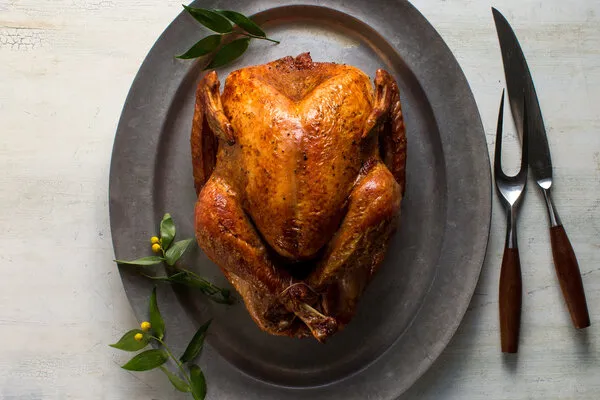
Credit…Christopher Testani for The New York Times. Food Stylist: Cyd Raftus McDowell.
Adaptable Main Courses for Varied Gatherings
The traditional centerpiece of many holiday meals, a whole roast turkey, is increasingly being reconsidered in favor of more manageable alternatives. Culinary professionals, such as Sarah DiGregorio, advocate for options like a succulent turkey breast, particularly suited for smaller gatherings or as a complementary offering. This approach addresses the logistical challenges of cooking a large bird and caters to evolving family structures, where intimate celebrations are becoming more common. The application of techniques like an herby dry brine underscores a commitment to maximizing flavor and moistness while simplifying the cooking process, demonstrating that quality does not need to be sacrificed for convenience. This trend suggests a pragmatic adaptation of main course preparation to fit contemporary lifestyles, ensuring culinary excellence with reduced effort.
Culinary Insight:Slow-Cooker Turkey Breast

Credit…Bobbi Lin for The New York Times. Food Stylist: Maggie Ruggiero.
Streamlined Side Dishes: Balancing Tradition and Ease
The accompanying side dishes, often as revered as the main course, are also subject to modern reinterpretations focused on efficiency. The classic “stuffing” or “dressing,” a staple across many holiday tables, exemplifies this trend. Recipes like Lidey Heuck’s simple herb-infused version highlight a preference for straightforward preparation without compromising on traditional taste. The flexibility to utilize various bread types, including pre-packaged stuffing cubes, speaks to a broader acceptance of store-bought components to save time, provided they are unseasoned to allow for custom flavor profiles. This adaptability underscores a shift in culinary philosophy: embracing readily available ingredients while maintaining control over the final gastronomic experience. It reflects a practical approach to preserving culinary traditions amidst busy schedules.
Culinary Insight:Easy Herb Stuffing

Credit…Christopher Testani for The New York Times. Food Stylist: Rebecca Jurkevich.
Mashed potatoes, another cornerstone of holiday dining, are also seeing innovative, yet simple, preparation methods. David Tanis’s technique of boiling potatoes with garlic and then mashing them with olive oil and cooking liquid represents a departure from traditional butter and cream heavy recipes. This method not only offers a distinctive flavor profile but also demonstrates how minor adjustments to classic recipes can yield significantly improved textures—described as “the lightest and fluffiest mashed potatoes.” Such culinary innovations cater to diverse palates and potentially health-conscious diners, while still delivering a deeply satisfying and familiar side dish. This illustrates a creative evolution of beloved comfort foods.
Culinary Insight:Olive Oil Mashed Potatoes

Credit…David Malosh for The New York Times. Food Stylist: Simon Andrews.
The integration of modern kitchen appliances into traditional holiday meal preparation is a prominent trend. Melissa Clark’s recipe for air-fried Brussels sprouts exemplifies this, showcasing how devices like air fryers can transform vegetables, creating unique textures such as delightfully crunchy leaves and flavorful garlic chips. The addition of a balsamic vinegar reduction, spiked with lime juice and soy sauce, further highlights a fusion of traditional holiday flavors with contemporary global influences, introducing elements of umami and freshness. This adoption of new technologies and flavor combinations reflects a dynamic approach to culinary arts, where convenience and innovation enhance established dishes, appealing to a broader range of tastes and dietary preferences.
Culinary Insight:Air-Fryer Brussels Sprouts With Garlic, Balsamic and Soy

Credit…Bobbi Lin for The New York Times. Food Stylist: Maggie Ruggiero.
Bread rolls, an essential accompaniment to many festive meals, are also benefiting from simplified techniques. Melissa Clark’s approach to “Easy Parker House Rolls,” utilizing store-bought pizza dough, demonstrates a strategic use of pre-made ingredients to drastically cut down preparation time. The infusion of butter and a specific steaming technique post-baking ensures a fluffy, tender texture, proving that convenience does not necessitate a compromise on quality or sensory experience. This strategy speaks to the growing acceptance of semi-homemade solutions in holiday cooking, where the focus shifts from making every component from scratch to assembling high-quality, delicious dishes efficiently. It reflects a pragmatic solution for achieving traditional comforts with modern speed.
Culinary Insight:Easy Parker House Rolls

Credit…Jim Wilson/The New York Times
Essential Condiments and Their Modern Appeal
The preparation of essential condiments, often overlooked but critical to the overall meal experience, is also being streamlined. Cranberry sauce, for instance, a vibrant counterpoint to rich holiday flavors, is celebrated for its inherent simplicity. Sam Sifton’s recipe emphasizes a basic combination of cranberries, orange juice, zest, and sugar, boiled until the berries burst. This straightforward method underscores a preference for fresh, homemade condiments that can be easily customized with spices like allspice or ginger, or the addition of nuts. The ease of preparation encourages home cooks to forgo pre-made versions, providing a fresh, adaptable element to the meal that allows for personal touches without significant time investment, aligning with the broader trend of efficient quality.
Culinary Insight:Cranberry Sauce

Credit…Ryan Liebe for The New York Times. Food Stylist: Simon Andrews.
Diversifying the holiday table with unique and flavorful vegetable dishes is another emerging trend. Priya Krishna’s “Kaddu” (Sweet and Sour Butternut Squash) offers a notable example, introducing a sweet-and-sour profile derived from spices, tomatoes, and brown sugar. This dish not only adds a striking visual contrast to the typically earthy tones of a holiday spread but also introduces global culinary influences. The gentle stewing method ensures a tender texture and complex flavor, appealing to those seeking to enrich their traditional meals with international flair. Such additions reflect an evolving palate among diners, who appreciate both classic comforts and innovative, globally inspired tastes, demonstrating a willingness to blend cultural culinary traditions.
Culinary Insight:Kaddu (Sweet and Sour Butternut Squash)

Credit…Armando Rafael for The New York Times. Food Stylist: Monica Pierini.
Strategic advance preparation, particularly for components that can be stressful to make last-minute, is a cornerstone of modern holiday meal management. Gravy, a crucial element, is often cited as a source of pressure. Mark Bittman’s make-ahead gravy recipe addresses this directly, allowing for preparation days in advance. This method significantly reduces culinary stress on the day of the event, requiring only reheating and the addition of fresh turkey drippings for enhanced flavor. This emphasis on pre-planning and batch cooking highlights a sophisticated approach to holiday entertaining, where logistical efficiency is as valued as culinary skill. It enables hosts to enjoy their guests more fully by front-loading demanding tasks.
Culinary Insight:Make-Ahead Gravy

Credit…Christopher Testani for The New York Times. Food Stylist: Simon Andrews.
Finally, even simple vegetable preparations are being refined for maximum impact and minimal fuss. Kia Damon’s sautéed green beans illustrate a departure from traditional boiling, opting instead for a technique that combines steaming and sautéing in butter and olive oil. This method allows the beans to release their natural moisture, resulting in a vibrant, crisp-tender texture and richer flavor compared to over-boiled alternatives. This focus on simplified, yet superior cooking methods for everyday ingredients reflects a broader culinary intelligence, where understanding ingredient properties leads to more effective and delicious outcomes. It underlines the objective of achieving freshness and quality through intelligent, less labor-intensive techniques.
Culinary Insight:Sautéed Green Beans
Why This Matters
The evolution of holiday meal preparation, as observed through these culinary trends, holds significant implications beyond the kitchen. Societally, it reflects a nuanced attempt to preserve cultural heritage and foster communal bonds in an era defined by demanding professional lives and shifting family dynamics. The emphasis on efficiency and simplicity can alleviate considerable stress, particularly for individuals who traditionally bear the primary responsibility for holiday cooking, often women. This rebalancing allows for greater participation in the celebratory aspects of the holiday, rather than solely the labor-intensive ones, potentially impacting gender roles within domestic spheres.
Economically, the embrace of convenience ingredients and specific kitchen technologies, like slow-cookers and air fryers, points to changing consumer purchasing habits. It suggests a growing market for products and services that promise time-saving solutions without compromising perceived quality or traditional appeal. This trend influences food manufacturers, appliance developers, and culinary media, prompting them to innovate and cater to a populace seeking both nostalgia and practicality. Furthermore, the openness to diverse culinary influences, such as the “Kaddu” dish, indicates an increasingly globalized palate, suggesting a broader cultural exchange and a willingness to integrate international flavors into historically defined national celebrations.
Culturally, these adaptations demonstrate the resilience and flexibility of tradition itself. Rather than abandoning cherished rituals, modern society is actively finding ways to reinterpret and sustain them in a manner that aligns with contemporary values and constraints. This ensures that the spirit of gathering, sharing, and feasting endures, even as the methods of preparation evolve. It reinforces the idea that traditions are not static but are living, breathing entities that adapt to the changing needs and realities of the communities they serve, ultimately strengthening their relevance for future generations.
Culinary Publications Offer Diverse Holiday Recipe Selections
As seasonal festivities approach, prominent culinary platforms are disseminating a range of recipes designed to assist home cooks in preparing holiday meals. These selections encompass both traditional and innovative dishes, aiming to cater to varied tastes and skill levels, often incorporating reader feedback and modern culinary techniques.
Among the highlighted recipes is a preparation forCreamy Macaroni and Cheeseby chef Julia Moskin. This rendition reportedly simplifies the traditional dish by blending cottage cheese, milk, and seasonings, which are then combined with uncooked pasta and grated Cheddar before baking. The recipe has garnered significant attention, accumulating over 15,000 ratings, indicating its popularity and accessibility among home cooks seeking efficient meal solutions.

For those seeking lighter alternatives to rich holiday fare, Hetty Lui McKinnon’sCrunchy Brussels Sprouts and Apple Slawhas been featured. This recipe, noted for its swift 20-minute preparation time, combines shaved brussels sprouts, apples, shallots, pecorino cheese, and slivered almonds, dressed in a maple-mustard vinaigrette. Reader commentary suggests it offers a “bright and crunchy” contrast to heavier dishes and is suitable for repurposing leftovers, such as in sandwiches.

Dessert offerings include Melissa Clark’sBrandied Pumpkin Pie, which has reportedly received widespread positive reviews. The recipe, while allowing for homemade butternut squash purée, emphasizes the effectiveness of canned pumpkin purée (distinct from pumpkin pie filling) as a base. Its distinguishing features are a specific spice combination and the inclusion of two tablespoons of brandy, suggested as key contributors to its distinct flavor profile.

Beverage recommendations feature Ina Garten’sCranberry Martinis, presented as a quick and festive drink option for holiday gatherings. The preparation involves combining dried cranberries, cranberry juice cocktail, vodka, Triple Sec, and ice in a shaker. This cocktail is positioned as an easy-to-assemble accompaniment to social events, providing a celebratory element to seasonal meals.

For the main course centerpiece, Mark Bittman’sRoast Spatchcock Turkeyis highlighted for its reported efficiency, promising completion in approximately 45 minutes. The spatchcock method involves removing the turkey’s backbone to allow it to lie flat, facilitating more even and rapid cooking. The recipe advises advance ordering for organic or farm-raised poultry and recommends the use of both oven and meat thermometers to ensure accurate cooking temperatures and optimal results.

Side dishes include Yossy Arefi’sEasy Roasted Carrots and Crispy Kale, presented as a convenient sheet-pan preparation. This method involves giving carrots an initial roasting period to achieve caramelization, followed by the addition of thinly sliced kale, which is massaged with oil and salt prior to cooking. Reports suggest this dish has been well-received across different age groups, including adults and toddlers.

Reflecting culinary diversity, Von Diaz’s recipe forYuca con Mojointroduces a staple from Puerto Rican cuisine. Yuca, classified as a “vianda” (a regional term for starchy fruits and vegetables), is characterized by a subtly sweet and somewhat nutty flavor. This taste profile is complemented by a garlicky citrus mojo dressing, offering a distinct cultural flavor to the holiday table.

Another simple dessert option is Ali Slagle’sCranberries and Cream. This dish involves swirling cranberry sauce into a mixture of whipped cream and Greek yogurt, creating a light and tangy cooling dessert. It is suggested as a versatile accompaniment, either paired with gingersnaps for added texture or served as a topping for other pies.

For a quick bread component, Naz Deravian’sButter Swim Biscuitsoffer a no-roll, one-bowl method. The batter is spread directly over melted butter in a baking pan, allowing the biscuits to absorb the butter and develop crispy edges during baking. This approach aims for ease of preparation without sacrificing taste or texture.

Finally, the compilation includes a recipe forClassic Deviled Eggs, adapted from “U.S.A. Cookbook” by Sheila Lukins. This dish, associated with popular cookbooks from the 1980s and ’90s, is presented as a nostalgic and consistently well-received addition to holiday meal spreads, offering a familiar comfort food option.

Why This Matters
The release and promotion of curated recipe collections by prominent culinary publications during holiday seasons hold significant cultural, social, and economic implications. From a cultural perspective, food is a cornerstone of holiday traditions, acting as a powerful vehicle for preserving heritage, reinforcing familial bonds, and creating shared memories. These recipes, whether traditional or innovative, help individuals and families navigate the culinary demands of these periods, often serving as a focal point for gatherings that define cultural identity.
Socially, the act of preparing and sharing meals is a fundamental human activity that fosters connection and community. In an increasingly digital world, the tangible experience of cooking together and breaking bread reinforces interpersonal relationships. Accessible and well-tested recipes lower the barrier to entry for home cooks, enabling more individuals to participate in these social rituals, thereby strengthening social fabric. The inclusion of diverse cuisines, such as Yuca con Mojo, also contributes to cultural exchange and appreciation, broadening culinary horizons and fostering understanding across different communities.
Economically, the emphasis on specific ingredients and cooking techniques in popular recipes can drive consumer behavior. Recommendations for particular cuts of meat, specific vegetables, or specialty items (like brandy for a pie or unique cheeses) translate into increased demand for grocers, local farmers, and food suppliers. The broader “holiday cooking” trend stimulates sales across various sectors, including kitchenware, appliances, and even travel, as people journey to celebrate with loved ones. The influence of respected culinary figures and publications can significantly impact market trends, guiding consumer purchases and supporting entire supply chains.
Furthermore, these compilations reflect ongoing trends in home cooking, such as the demand for efficiency (e.g., 20-minute recipes, sheet-pan meals, spatchcock turkey) and the desire for both comfort foods and healthier alternatives. They also highlight the evolving role of media in shaping culinary practices, demonstrating how online platforms and culinary experts provide practical solutions and inspiration to a global audience. The engagement metrics, such as thousands of recipe ratings, underscore the interactive relationship between content creators and their audience, providing valuable feedback that can inform future culinary offerings and adaptations.
In essence, beyond merely providing instructions for dishes, these recipe selections serve as a barometer of contemporary culinary culture, a catalyst for social interaction, and a significant driver within the consumer economy, all while reinforcing the enduring importance of food in human experience.
Major Culinary Outlets Provide Comprehensive Holiday Recipe Guides
NEW YORK –As a significant annual holiday approaches, major culinary publications are releasing extensive recipe collections to assist home cooks in preparing traditional and contemporary feasts. The New York Times Cooking section, a prominent source of gastronomic guidance, has published a series of recipes designed to streamline and enhance the holiday meal experience, ranging from foundational dishes to innovative twists on classics.
The compilation emphasizes both efficiency and quality, offering solutions for various components of a large celebratory dinner. This approach acknowledges the considerable effort involved in preparing such meals, often highlighting techniques and ingredients aimed at reducing complexity while maintaining flavor and presentation standards.
Featured Recipes and Culinary Approaches
Core Thanksgiving Offerings
Central to many holiday meals are specific dishes that anchor the culinary tradition. The New York Times Cooking collection addresses these staples with a blend of traditional methods and modern conveniences:
- Roasted Sweet Potatoes (Lidey Heuck):This recipe presents a simplified alternative to the commonly marshmallow-topped sweet potato dish. It features cubed sweet potatoes, either peeled or unpeeled, roasted on a sheet pan to achieve a crisp exterior and a tender interior. This method prioritizes ease and a different texture profile.
- Hash Brown Casserole (Naz Deravian):Often referred to as “funeral potatoes,” this casserole utilizes a bag of frozen hash browns combined with cheese, sour cream, and a homemade cream of chicken soup. The dish is baked until it develops brown edges and a bubbly consistency, providing a hearty, cheesy side dish with minimal preparation.
- Miso Gravy-Smothered Green Beans (Kay Chun):Offering a modernized take on the classic green bean casserole, this recipe features green beans simmered in a gravy made with flour, butter, and broth, enriched with miso, sour cream, and lemon juice. It is suggested to be topped with traditional French fried onions, providing a fresher, deconstructed version of a beloved side.
Preparatory and Foundational Elements
Successful holiday cooking often hinges on effective preparation. The featured recipes include critical foundational elements:
- Pie Crust (Melissa Clark):Acknowledging common anxieties around pastry making, this recipe aims to be user-friendly and adaptable for various types of holiday pies. Its inclusion underscores the importance of a reliable base for dessert courses.
- Turkey Brine (Adapted from Yankee Magazine):For the centerpiece of many holiday meals, a wet brine recipe is provided, based on an old New England tradition. This technique is designed to ensure the turkey remains moist and tender during cooking, with an alternative dry-brining method also noted.
Innovative Techniques and Time-Saving Solutions
Modern kitchen appliances and culinary trends are integrated to offer both efficiency and enhanced flavor profiles:
- Air-Fryer Broccoli (Eleanore Park):This five-ingredient, 15-minute recipe leverages the air fryer’s capabilities to roast broccoli. The addition of soy sauce is highlighted for imparting an umami flavor that is intensified by the high heat, resulting in a nutty, salty, and deeply caramelized vegetable dish, while also freeing up conventional oven space.
Appetizers and Desserts
To round out the meal, the collection includes options for pre-dinner nibbles and sweet endings:
- Cheese Dreams (Melissa Knific):Described as simple, savory appetizers, these squares of white bread are spread with a mixture of butter, Cheddar, egg, heavy cream, Worcestershire sauce, garlic powder, and dry mustard, then baked until browned. They are presented as a casual option for guests awaiting the main meal.
- Apple Crumble (Samantha Seneviratne):Positioned as an easier alternative to pie, this crumble recipe suggests using a combination of tart and sweet apples, such as Granny Smith and McIntosh, to create a filling that is both jammy and firm.
- Pecan Pie Truffles (Adapted from Hannah Kaminsky):For those who enjoy the flavors of pecan pie but prefer a lighter dessert after a large meal, these truffles are offered. They combine pecans, graham cracker crumbs, brown sugar, maple syrup, bourbon, and vanilla, shaped into balls and dipped in dark chocolate. Browning the butter first is suggested for a richer flavor.
- Marinated Feta With Herbs and Peppercorns (Alexa Weibel):A bright and spicy appetizer requiring minimal preparation (setup the night before), designed to offer a different flavor profile from the main meal and prevent guests from becoming overly full before dinner.
- Baked Brie and Caramelized Vegetable Pie (Alexa Weibel):This dish serves as a vegetarian centerpiece, incorporating roasted butternut squash, seared mushrooms, herbed Brussels sprouts, and tangy red onions with baked Brie. The recipe notes that individual components can be cooked ahead of time to simplify assembly on the holiday itself.
The articles frequently feature visual components, with accompanying images credited to professional photographers and food stylists such as Bobbi Lin, Armando Rafael, Ryan Liebe, Johnny Miller, Christopher Testani, Jim Wilson, and David Malosh. This underscores the emphasis on high-quality visual presentation alongside the culinary instructions.
Why This Matters
The release of comprehensive holiday recipe guides by prominent media organizations like The New York Times Cooking is significant for several reasons, reflecting broader cultural, economic, and social trends.
Firstly, these collections underscore the enduring cultural importance of communal meals, particularly during holidays such as Thanksgiving. Food serves as a central element in these celebrations, embodying tradition, family bonding, and cultural identity. The provision of detailed recipes helps to preserve and transmit these culinary traditions across generations, while also offering pathways for modern adaptations.
Secondly, from an economic perspective, the meticulous planning and execution of holiday meals represent a substantial consumer activity. The demand for ingredients, kitchen tools, and culinary expertise drives significant economic activity in the food retail, agriculture, and publishing sectors. Media outlets, by curating and promoting specific recipes, can influence purchasing decisions and market trends, guiding consumers towards particular products or preparation methods.
Thirdly, these guides serve a crucial educational and practical function. Many individuals, from novice cooks to seasoned hosts, seek reliable instructions and innovative ideas to navigate the complexities of preparing a large holiday feast. Recipes that offer simplified steps (e.g., sheet-pan roasting), time-saving techniques (e.g., air fryer usage), or make-ahead components directly address common challenges like time constraints, oven space limitations, and stress associated with holiday cooking. This enhances accessibility, making elaborate meals more achievable for a wider audience.
Fourthly, the inclusion of diverse culinary approaches, such as vegetarian centerpieces or deconstructed classics, reflects evolving dietary preferences and a broader appreciation for culinary innovation. It demonstrates how traditional celebrations can adapt to contemporary tastes and health consciousness, allowing more people to participate fully in the holiday experience, regardless of specific dietary needs or preferences.
Finally, the high production value evident in the professional photography and food styling accompanying these recipes highlights the media’s role in creating aspirational content. Beyond mere instruction, these visuals inspire readers, setting aesthetic standards for holiday dining and reinforcing the idea of food as an art form. In an increasingly digital world, such content also drives engagement and strengthens the connection between media brands and their audiences, positioning them as authoritative and inspirational sources for lifestyle and culinary guidance.