
## The Fading Footprint: Allbirds’ Retail Retreat Signals a Shift in Tech Culture
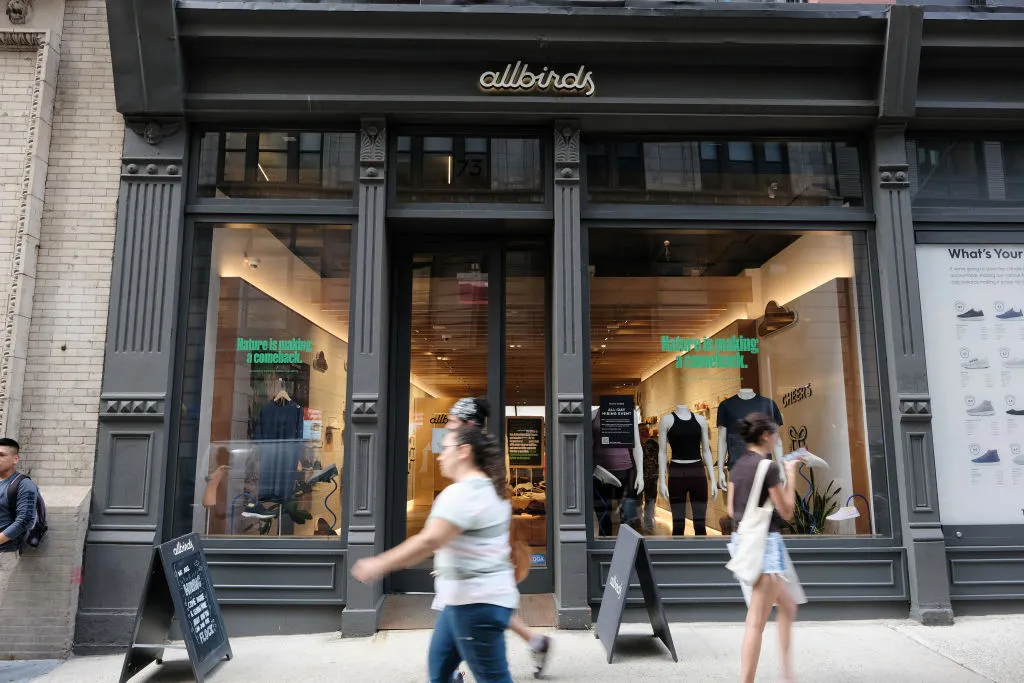
The once-ubiquitous Allbirds, a footwear brand synonymous with the mid-2010s Silicon Valley aesthetic, is significantly scaling back its physical retail presence. By the close of February, nearly all of its brick-and-mortar locations will cease operations, leaving just two outlet stores in the U.S. and a pair of full-price stores in London. This strategic contraction marks a pivotal moment for a company that, not long ago, defined a particular era of tech culture.
### A Strategic “Turnaround” or a Troubled Trajectory?
Allbirds CEO Joe Vernachio framed these closures as a crucial component of the company’s “turnaround strategy,” aimed at achieving profitable growth. In a recent statement, Vernachio explained, “We have been opportunistically reducing our brick-and-mortar portfolio over the past two years. By exiting these remaining unprofitable doors, we are taking actions to reduce costs and support the long-term health of the business.” While presented as a calculated move towards financial stability, such corporate communication often signals underlying challenges in a company’s market performance and profitability.
## From Unicorn Valuation to Market Correction: The Allbirds Narrative
### The Silicon Valley Staple: Comfort, Style, and Status
Launched in San Francisco in 2015, Allbirds quickly ascended to cult status within the burgeoning tech startup ecosystem. Its merino wool runners became the unofficial uniform for employees across the industry, even serving as branded company swag at prominent tech publications. The appeal was undeniable: exceptional comfort. Yet, their aesthetic, often described as utilitarian or even “unassuming,” diverged sharply from traditional fashion trends, resonating instead with a demographic prioritizing function over overt style. (The minimalist appeal of their white wool runners was a notable exception). This focus on comfort drew comparisons to brands like Skechers, though Allbirds positioned itself at a higher price point, eschewing the mass-market collaborations (such as Skechers’ line with Martha Stewart) that might broaden its appeal.
### A Public Offering’s Perilous Path
Like many tech ventures of its era, Allbirds attracted significant venture capital, propelling it to an often-inflated “unicorn” valuation. However, its public debut in 2021 was met with market skepticism, and the company has since struggled to maintain investor confidence. Its market capitalization currently hovers around $32 million, with shares trading at a fraction of their initial value. Despite this financial contraction, the brand retains its distinctive NASDAQ ticker symbol: $BIRD.
## The End of an Era? Allbirds and the Evolving Silicon Valley Ethos
While Allbirds shoes will remain accessible through online channels – and indeed, are still considered a quality product by many – this retail pivot signifies more than just a corporate restructuring. It subtly marks the potential conclusion of a particular chapter in Silicon Valley’s history, one characterized by seemingly boundless growth and a sense of career invincibility within the tech sector. Today, the landscape is shifting. Company perks like branded Patagonia vests are increasingly reserved for those in the high-stakes AI industry, even as an underlying current of anxiety persists regarding the sustainability of this latest tech boom.
### The New Pragmatism: Efficiency and Optimization in Tech Culture
This palpable shift in atmosphere appears to be shaping the next wave of Silicon Valley’s cultural norms. A new emphasis on hyper-efficiency and optimization has emerged, influencing everything from personal well-being to dietary choices. Tech professionals are now frequently seen sporting Oura rings for biometric data tracking, meticulously logging macronutrients on apps like MyFitnessPal, and opting for protein-dense Sweetgreen “Power Max” bowls. This relentless pursuit of data-driven self-improvement and efficiency underscores a departure from the more relaxed, albeit still driven, vibe of previous years.
In this context of intense scrutiny and a drive for maximized output, the nostalgia often expressed for the year 2016—a period when Allbirds was at its zenith and the tech world felt undeniably different—becomes profoundly understandable. The quiet closure of Allbirds’ physical stores, therefore, reverberates not just as a business decision, but as a symbolic echo of a bygone era.