
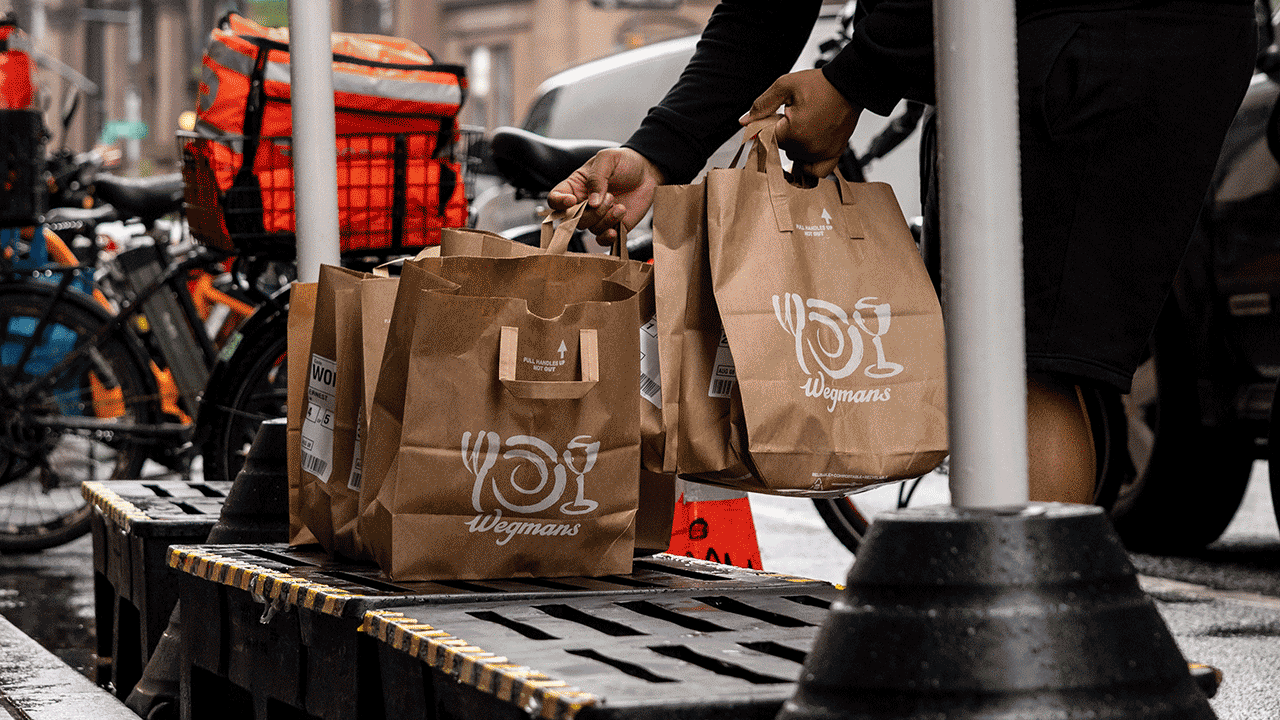
## NYC Grocery Shoppers Face New $5.99 Surcharge as Instacart Reacts to Landmark Gig Worker Law
New Yorkers accustomed to the convenience of grocery delivery were met with an unexpected change this week. Instacart, the popular delivery service, has introduced a new $5.99 “Regulatory Response Fee” on all orders, directly attributing the surcharge to a significant new city regulation that came into effect on Monday.
### A Sudden Surcharge Sparks Outrage
The sudden appearance of this fixed $5.99 charge at checkout has left many customers surprised and frustrated. Labeled explicitly as a “Regulatory Response Fee,” it immediately signals Instacart’s direct reaction to the city’s latest legislative push. This move has ignited a fresh debate about the true cost of convenience and the impact of worker protection laws on consumers and businesses alike.
### Unpacking NYC’s Landmark Gig Worker Protection Law
At the heart of Instacart’s new fee is a comprehensive New York City law designed to bolster protections for app-based delivery couriers. This ordinance mandates that third-party platforms, including Instacart, now pay grocery delivery workers a minimum hourly rate of $21.44. This aligns with a similar standard already in place for restaurant delivery workers on platforms like Uber Eats and DoorDash since April 2025.
Looking ahead, this minimum wage is slated to increase further to $22.13 per hour by April, factoring in inflation. Previously, there was no specific legal minimum wage for grocery delivery personnel. Beyond the hourly rate, the law also requires delivery services to present customers with a tipping option *before* completing their purchase, setting a default tip at 10% of the order’s total. This particular measure aims to counteract practices that allegedly obscured or delayed tip prompts, which the city estimated cost workers substantial earnings.
### Instacart’s Stance: “Misguided and Burdensome”
An Instacart spokesperson wasted no time in clarifying the company’s position, asserting that the “regulatory response fee is the direct result of the City Council’s misguided and burdensome grocery delivery laws.” The company emphasized that it had raised “clear, data-backed concerns” for months, warning that the policy would inevitably drive up grocery delivery costs for New Yorkers. These warnings, they claim, were “repeatedly ignored.”
Instacart argues that at a time when household budgets are already stretched thin, the city’s decision makes food less affordable and harder to access for the very New Yorkers who rely most heavily on delivery services. The in-app checkout message further reinforces this, stating the fee “helps cover increased operating costs in NYC due to government regulations on delivery platforms.” While tipping remains optional, Instacart’s messaging now notably highlights that “NYC law guarantees delivery drivers a minimum hourly rate.”
### Public Outcry and Membership Cancellations
The introduction of the new fee has triggered a swift and vocal backlash from New York customers across social media platforms. Users on X (formerly Twitter) and Reddit have lambasted the company’s decision, with one user calling it “lowbrow” to pass regulatory costs onto consumers, especially given the existing service fees charged to both customers and merchants.
Many unhappy customers have either canceled their Instacart memberships or expressed strong intentions to do so, citing the unexpected price increase as a breach of their existing contract terms. The sentiment online suggests a feeling of exploitation, with users questioning the fairness of absorbing a cost that they believe should be borne by the company.
### Unheeded Warnings and Political Overrides
This new development is not without its precursors. Instacart had issued multiple warnings since 2024, predicting that the proposed ordinance would cause grocery costs to “skyrocket” and restrict access to vital delivery services.
Former Mayor Eric Adams had also voiced significant concerns, vetoing the measures last year while in office. His apprehension stemmed from the potential impact on vulnerable populations, including seniors, SNAP/EBT recipients, and individuals with disabilities, who often face food insecurity and rely on accessible delivery options. However, the city council ultimately overrode Adams’ veto last September, paving the way for the law to take effect.
As the dust settles on this new charge, the ripple effects on New York’s delivery landscape, consumer habits, and the ongoing dialogue between gig economy companies and city regulators will undoubtedly continue to unfold.