
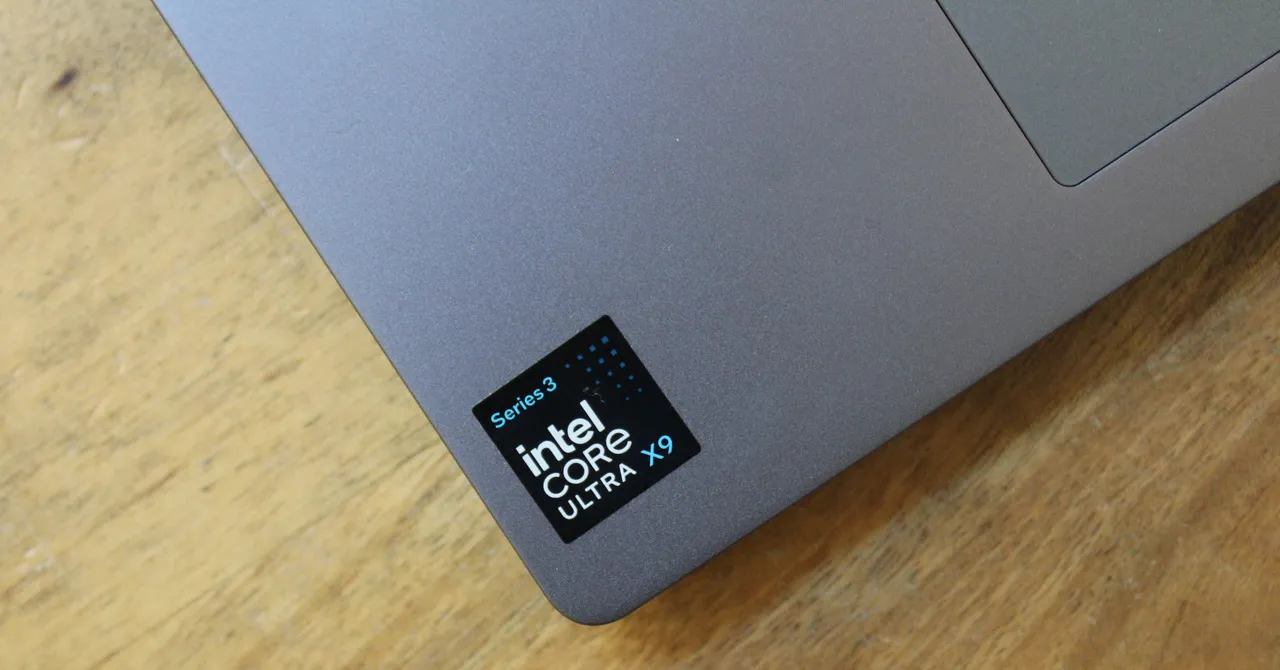
## Intel Unleashes a New Era of Performance: Reclaiming the Crown?
Intel is making a definitive statement with its latest silicon, pushing the boundaries of integrated performance and signaling a significant shift in the competitive landscape. The introduction of these new chips places Intel firmly at the forefront of multi-core processing, particularly with the impressive X9 388H, which delivers a substantial lead. Achieving a 33% performance advantage over Apple’s latest M5 chip is no small feat, yet Intel has managed to do just that. This resurgence extends to the graphics department as well, where Intel has seized the lead in integrated solutions. It’s been quite some time since such a declaration could be made, but the evidence suggests Intel is indeed back on top.
### Deep Dive into Performance Metrics
Further substantiating this claim, the Core Ultra 7 258V, rigorously tested within the confines of a Dell 14 Plus (a laptop comparable in size to the MSI Prestige 14 Flip), demonstrates remarkable advancements. We observed an impressive 52% surge in multi-core CPU performance and an equally compelling 54% uplift in GPU capabilities, as measured by the demanding 3DMark Steel Nomad Light benchmark. Notably, these figures also surpass the performance of the current-generation M4 MacBook Air, positioning Intel as a formidable contender in the portable computing space.
### Navigating the Competitive Landscape
While Intel has made significant strides, the single-core performance domain remains a fiercely contested arena, where Apple continues to hold an advantage. Improvements in this specific area are currently more modest for Intel. Furthermore, Apple’s M4 Pro and M4 Max still maintain an edge across various categories. However, it’s crucial to highlight that the multi-core performance gap between Intel’s X9 and Apple’s M4 Pro has narrowed to a mere 14%. The technological race is set to intensify with the imminent arrival of Apple’s M5 Pro and M5 Max. Our anticipation also builds for future comparisons, eager to pit the Core Ultra X7358H against upcoming next-generation processors like the Snapdragon X2 Elite Enhanced, once these units become available for comprehensive testing.
### The Graphics Revolution: “X” Marks the Spot
The integrated graphics prowess truly shines, particularly with the X9 chip. For perhaps the first time, the “X” branding in Intel’s nomenclature feels entirely justified, signifying a substantial leap forward. Both the X7 and X9 chips leverage the advanced B390 GPU, representing the zenith of Intel’s integrated architecture (excluding their discrete desktop graphics cards). These configurations boast 12 Xe cores, with the primary distinction between the X7 and X9 models resting solely on their clock speeds. Intel had previously touted that Panther Lake graphics would deliver an astonishing 77% performance boost over its predecessor in Lunar Lake laptops. While our direct comparisons faced challenges in achieving a perfectly equitable “apples-to-apples” scenario across different laptop platforms, the significant gains observed are undeniable.
### What More Performance Really Means
Regardless of the precise benchmark percentage, the undeniable progress Intel has made in integrated graphics is clear. While impressive numbers in benchmarks are certainly desirable, the true measure of success lies in how this enhanced performance translates into a tangible, beneficial experience for the end-user.
#### Practical Applications of Elevated Graphics
Integrating more robust graphics capabilities into a typically basic, thin-and-light laptop unlocks a wealth of practical applications. This advancement significantly accelerates a diverse range of demanding tasks, from intricate video editing projects to the burgeoning field of local artificial intelligence inferencing. Critically, it achieves this without necessitating a bulkier, more expensive device, delivering premium capabilities within a sleek and portable form factor.