
## Poland’s Energy Grid Under Siege: A Stark Warning for Critical Infrastructure Security
The digital battleground intensifies, and recent events in Poland offer a sobering reminder of the ever-present threat facing critical national infrastructure. A newly released report from the Polish government has shone a spotlight on a sophisticated cyberattack, revealing how suspected Russian state-sponsored hackers successfully infiltrated parts of the nation’s energy grid, capitalizing on deeply concerning security deficiencies.
### A Chilling Revelation: Poland’s Energy Grid Under Attack
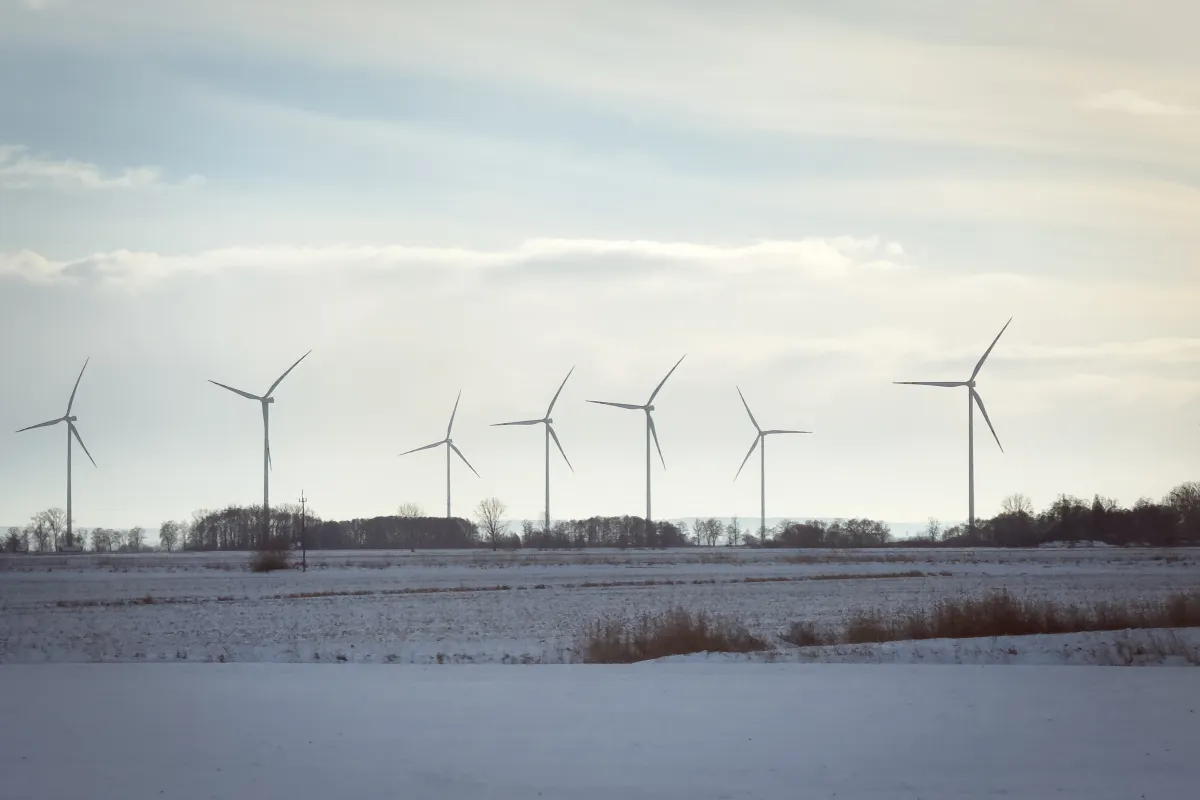
At the close of last year, a significant cyber incident unfolded, targeting Poland’s vital energy sector. The country’s Computer Emergency Response Team (CERT), operating under the Ministry of Digital Affairs, recently published a comprehensive technical analysis, detailing a breach that impacted multiple renewable energy sites – specifically wind and solar farms – alongside a crucial heat-and-power plant. The report’s findings paint a concerning picture of vulnerability, exposing how the attackers encountered minimal resistance during their intrusion.
#### Unveiling the Breach
The December 29th incident saw adversaries penetrate key operational systems. While the specific scale of the potential disruption remains a subject of ongoing analysis, the very nature of the targets underscores the grave implications of such an attack. Poland’s CERT’s willingness to openly discuss these details serves as a critical call to action for cybersecurity preparedness worldwide.
#### The Achilles’ Heel: Exploiting Basic Flaws
Perhaps the most alarming aspect of the report is the revelation regarding the ease with which the hackers gained access. The compromised systems were found to be protected by nothing more than default usernames and passwords – a fundamental security oversight. Compounding this egregious error, multi-factor authentication (MFA), a standard and essential layer of defense, had not been implemented. These basic missteps created a gaping vulnerability, effectively rolling out a digital red carpet for the attackers.
### Destructive Intent: Malware and the Threat of Disruption
Once inside, the intruders deployed a particularly malicious type of software, revealing a clear objective: destruction.
#### The Wiper’s Fury
The hackers attempted to infect the penetrated systems with “wiper” malware. This insidious form of malicious code is specifically engineered to erase and permanently destroy data, rendering systems inoperable. The report starkly likens these digital incursions to “deliberate acts of arson” in the physical world, emphasizing the purely destructive nature of the attacks. While the ultimate goal – a widespread power outage – remains unconfirmed by the Polish government, the type of malware employed leaves little doubt about the attackers’ catastrophic intentions.
#### Containing the Damage
Fortunately, not all attempts at sabotage succeeded. The attacks at the heat-and-power plant were thwarted, preventing any significant damage or disruption. However, the wind and solar farms were less fortunate; their systems, crucial for monitoring and controlling grid operations, were rendered inoperable by the wiper malware. Despite these localized successes for the attackers, the Polish CERT confirmed that the overall stability of the national power system remained unaffected throughout the incident.
### Who’s Behind the Digital Assault? Conflicting Attributions
The question of attribution is often complex in cyber warfare, and this incident is no exception, presenting a fascinating discrepancy between different analyses.
#### The Usual Suspects: Sandworm’s Shadow
Initially, prominent cybersecurity firms ESET and Dragos released their own assessments of the December 29th attacks. Both firms pointed fingers at **Sandworm**, a notorious Russian government-linked hacking group with a well-documented history of targeting energy infrastructure. Sandworm is infamous for its aggressive and destructive operations, notably orchestrating power outages in Ukraine in 2015, 2016, and 2022. Their track record made them an immediate and logical suspect for an attack of this nature.
#### A New Contender: Berserk Bear’s Uncharacteristic Move
However, Poland’s CERT offered a different perspective. Their report attributes the intrusions to another Russian government-backed entity, known by various names including **Berserk Bear** or **Dragonfly**. This attribution is particularly intriguing because Berserk Bear is historically recognized for its cyberespionage activities – intelligence gathering and long-term infiltration – rather than overt, destructive campaigns aimed at crippling infrastructure. This shift in operational tactics, if confirmed, marks a significant and concerning evolution for the group, suggesting a broader and more aggressive mandate.
### Beyond the Breach: Lessons Learned for Global Security
The cyberattack on Poland’s energy grid serves as a critical case study and a stark warning. It underscores the perpetual and escalating threat faced by critical infrastructure worldwide from sophisticated state-sponsored actors. The ease with which basic security flaws were exploited highlights an urgent need for organizations, especially those managing essential services, to rigorously review and fortify their digital defenses. This incident is a powerful reminder that in the interconnected world, robust cybersecurity is not merely an IT concern, but a matter of national security and public safety.