
[ad_1]
“The entire mice we handled confirmed dramatic enchancment of their motor abilities. The outcomes exceeded our expectations and recommend that, after additional research, this therapeutic method might sluggish the development of Parkinson’s in people,” says Double.
However consultants warning that Parkinson’s is a fancy situation that may possible require a number of mixed interventions. A single remedy could have restricted impact, however its efficacy could also be enhanced by integrating it with different therapeutic approaches.
In that context, Double’s group’s findings may very well be complemented by current analysis from Stanford College centered on restoring communication between neurons in a subtype of Parkinson’s linked to mutations within the gene chargeable for producing an enzyme referred to as LRRK2.
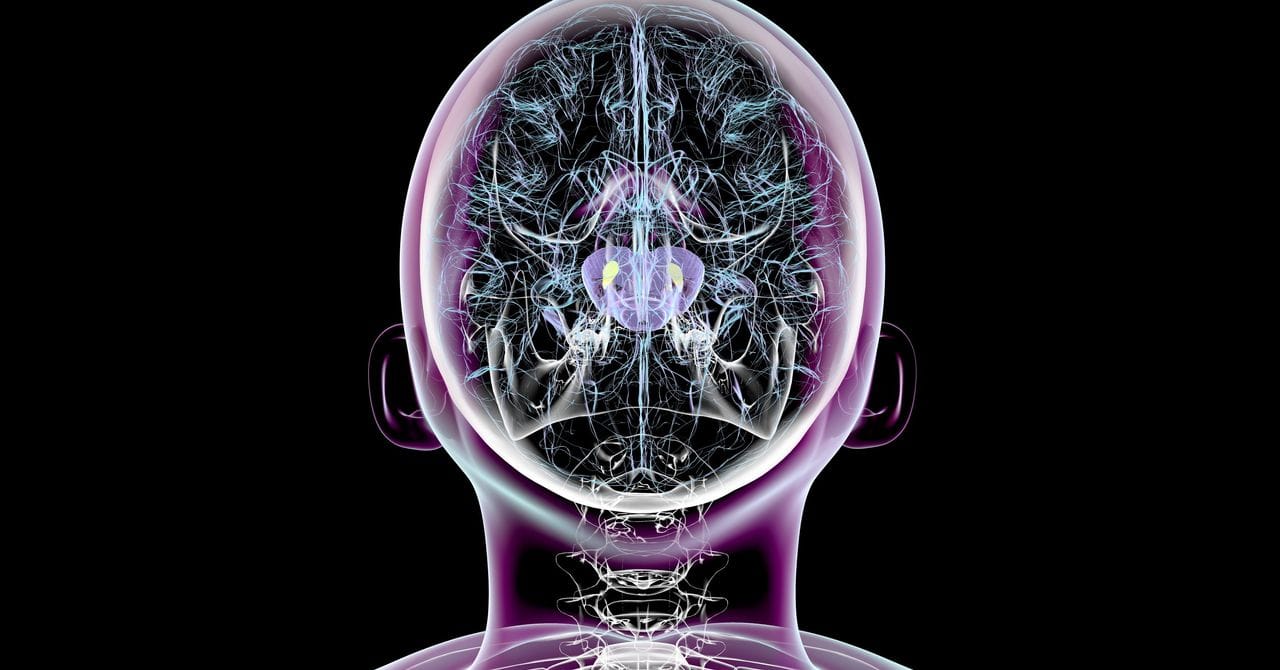
In these instances, the mutation causes hyperactivity of the enzyme, altering the construction of mind cells and disrupting signaling between dopaminergic neurons and people within the striatum, a deep mind area associated to motion, motivation, and decision-making.
It’s estimated that about 25 p.c of Parkinson’s instances are genetic in origin, and the LRRK2 mutation is without doubt one of the most frequent. The group led by Stanford neuroscientist Suzanne Pfeffer proposed that inhibiting the extreme exercise of this enzyme might stabilize signs, particularly if detected in early levels. The purpose was to regenerate major cilia, antenna-like constructions that allow communication between cells.
The speculation was examined in mice genetically modified to exhibit LRRK2 hyperactivity and early signs of the dysfunction. For 2 weeks, these animals had been administered with a compound referred to as MLi-2, which binds to the enzyme and reduces its exercise.
On this first take a look at, no related adjustments had been noticed, which the researchers attributed to the truth that the examined neurons and glia—one other kind of cell within the nervous system, which assist neurons—had been already mature and weren’t within the cell division part.
Nevertheless, a overview of the scientific literature revealed that, even when mature, sure neurons can regenerate their major cilia relying on their sleep-wake cycles. “The findings that different nonproliferative cells can develop cilia made us suppose that the inhibitor nonetheless had therapeutic potential,” Pfeffer explains.
The group then determined to increase the remedy to a few months. After this era, they discovered that the share of neurons and glial cells within the striatum with major cilia was akin to that of wholesome mice with out the genetic mutation.
This restoration of mobile constructions made it potential to reactivate communication between dopaminergic neurons and the striatum. Consequently, neurotransmitters affected by the LRRK2 protein induced the manufacturing of neuroprotective elements at ranges much like these of a wholesome mind, one thing that had been diminished because of LRRK2 hyperactivity. As well as, density markers of dopaminergic nerve endings had been doubled, suggesting a potential restoration of beforehand broken neurons.
“These findings recommend that it isn’t solely potential to stabilize the illness, but in addition to enhance the situation of sufferers. This therapeutic method has nice potential to revive neuronal exercise in Parkinson’s-affected circuits. There are at the moment a number of ongoing medical trials with LRRK2 inhibitors, and we hope that these leads to mice could be translated to people,” says Pfeffer.
The authors stress that, to maximise the effectiveness of this remedy, it’s important to determine early signs, which might happen as much as 15 years earlier than the attribute tremors. The hope is that folks with the LRRK2 mutation will be capable to begin remedy early. The subsequent step could be to evaluate whether or not different Parkinson’s variants, not related to this genetic mutation, might additionally profit from this technique.
It’s estimated that the variety of Parkinson’s instances worldwide might exceed 25 million by 2050, which might characterize a 112 p.c enhance over 2021 figures, based on projections printed within the British Medical Journal. Though these estimates will not be definitive, the scientific neighborhood warns that they mirror a rising problem for public well being techniques. For that reason, creating therapies able to mitigating, stabilizing, and even reversing the development of the illness is a world precedence.
This story initially appeared on WIRED en Español and has been translated from Spanish.
[ad_2]
{content material}
Supply: {feed_title}