
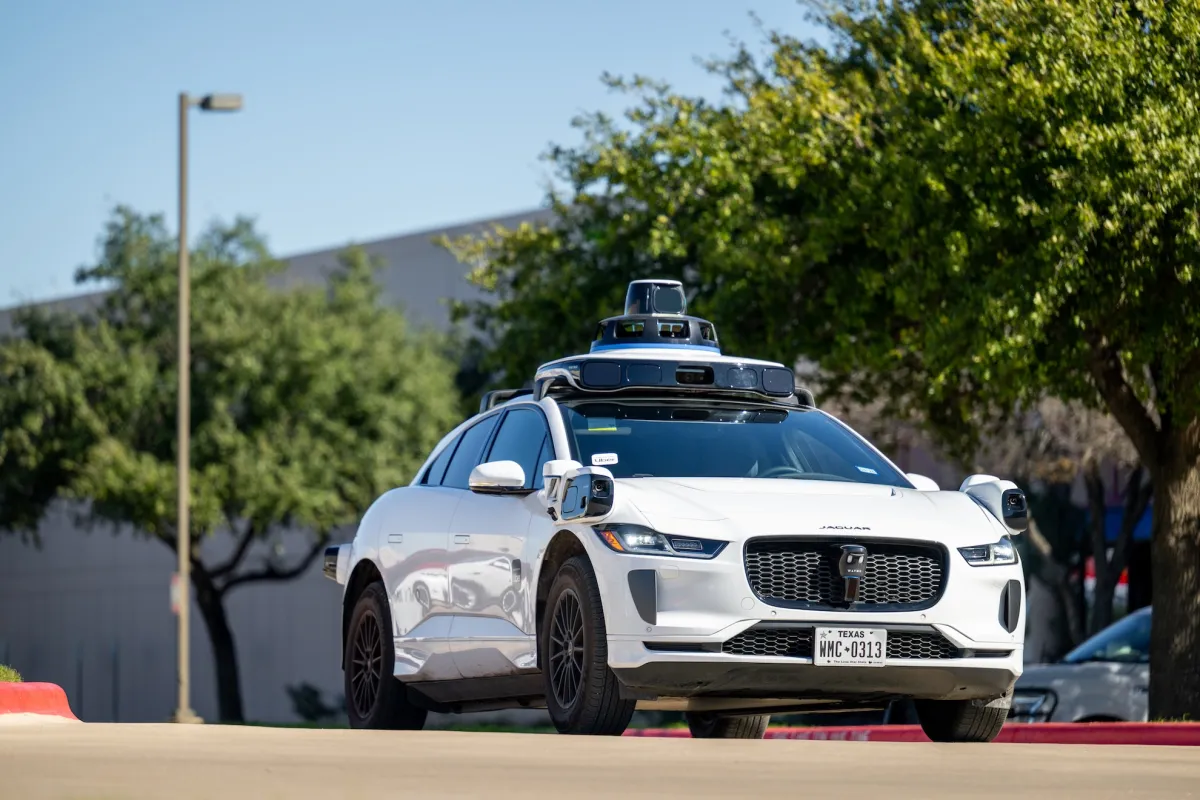
Waymo Revs Up for Driverless Launch in Nashville, Human Safety Drivers Removed
Nashville is on the cusp of a significant transformation in urban mobility as Waymo, Alphabet’s pioneering self-driving technology company, takes a decisive step towards launching its robotaxi service in Music City. Signaling a major milestone, Waymo has now transitioned to fully driverless operations, removing human safety operators from its autonomous test vehicles navigating the city’s streets.
A Major Step Towards Autonomous Rides in Music City
This development marks a pivotal moment for Waymo’s long-standing efforts in Nashville. Having dedicated months to rigorous testing and meticulous mapping, the company is now accelerating its timeline for a public robotaxi launch later this year. The removal of safety drivers underscores Waymo’s confidence in the maturity and safety of its autonomous driving system, bringing Nashville closer to experiencing the future of urban transportation.
The Road Ahead: Waymo and Lyft’s Collaborative Vision
The impending Nashville launch is set to be a collaborative venture, with Waymo partnering with ride-sharing giant Lyft. Initially, prospective riders will access Waymo’s self-driving vehicles directly through the Waymo One app. As the service matures and expands its operational footprint, the convenience will extend to the Lyft platform, allowing users to hail Waymo robotaxis via the Lyft app as well.
This strategic alliance goes beyond just ride requests. Lyft’s wholly owned subsidiary, Flexdrive, is slated to play a crucial role in the operational backbone of the Nashville service. Flexdrive will manage comprehensive fleet services, encompassing vital aspects such as vehicle readiness, routine maintenance, managing the charging infrastructure for the electric autonomous vehicles, and overseeing depot operations. This division of labor leverages each company’s strengths, setting the stage for an efficient and scalable autonomous ride-hailing ecosystem.
Waymo’s Expanding Autonomous Footprint
Waymo’s move in Nashville is not an isolated event but rather a continuation of an aggressive and expanding rollout strategy across the United States. The company currently provides commercial robotaxi services in several major metropolitan areas, including Atlanta, Austin, Los Angeles, Miami, the bustling San Francisco Bay Area, and Phoenix, where it first launched. Beyond these operational hubs, Waymo also maintains active driverless testing fleets in Dallas, Houston, San Antonio, and Orlando, continually gathering data and refining its technology in diverse urban environments.
Decoding Waymo’s Strategic Rollout Playbook
Waymo typically employs a methodical and phased approach when introducing its autonomous vehicle services to new markets. This carefully orchestrated strategy begins with a critical data-gathering phase, where a small fleet of vehicles is manually driven to comprehensively map the city’s intricate road networks, traffic patterns, and unique characteristics.
Following this initial mapping, the autonomous vehicles are introduced, initially operating with a human safety operator present in the driver’s seat. This supervised testing phase allows the system to learn and adapt in real-world scenarios while ensuring an immediate human fallback. As the system’s performance and reliability are validated, the company then transitions to driverless testing, often offering rides to employees as a preliminary step before finally launching a fully autonomous robotaxi service to the general public. Nashville’s journey mirrors this proven playbook, illustrating Waymo’s systematic progression towards widespread autonomous mobility.