

Check out what’s clicking on FoxBusiness.com.
Key Takeaways
- Experiential Travel Dominates Future Bookings:The surprising lead of Jackson Hole, Wyoming, in short-term rental bookings for Summer 2026 signals a significant market shift towards nature-centric, experiential travel over traditional beach destinations, reflecting evolving post-pandemic consumer priorities and potentially higher discretionary spending on unique adventures.
- Robust Consumer Confidence and Forward Planning:Exceptionally early booking rates for 2026, nearly two years in advance, indicate strong consumer confidence and a sustained willingness to allocate significant discretionary income to leisure travel. This trend suggests resilience in the travel and hospitality sector, potentially safeguarding against near-term economic uncertainties.
- Event-Driven Market Opportunities:Major global events like the FIFA World Cup 2026 are creating concentrated demand spikes in host cities, presenting lucrative short-term rental investment opportunities and broader economic stimuli for local hospitality, real estate, and service sectors.
As the U.S. economic landscape continues to navigate post-pandemic shifts and inflationary pressures, forward-looking indicators within the travel and leisure sector offer crucial insights into consumer behavior and market resilience. New data on summer 2026 travel plans reveals a fascinating reorientation of American vacation priorities, signaling potential shifts in investment opportunities and regional economic performance.
According to AirDNA, a leading analytics firm tracking Airbnb and Vrbo listings, the picturesque mountain haven of Jackson Hole, Wyoming, has unexpectedly emerged as the nation’s most sought-after short-term rental destination for Summer 2026. With an astonishing 45.5% of properties already reserved between June and August, asRealtor.com reported, this trend is more than just a preference; it’s a robust market signal.
Industry experts are quick to highlight this as indicative of a broader transformation in travel consumption. “We’re seeing a fascinating shift in the short-term rental market for Summer 2026,” Charlie Lankston, executive editor at Realtor.com, noted to FOX Business. “While a beach house has always been the gold standard, data from AirDNA shows that some travelers are now choosing to trade the ocean for the mountains.” This isn’t merely a change in scenery; it represents a recalibration of consumer values, potentially driven by a desire for experiential, nature-immersive travel over traditional relaxation, influencing everything from local real estate values to the outdoor recreation industry.
Jackson Hole’s formidable appeal is multifaceted, blending unparalleled outdoor experiences—from whitewater rafting and canoeing to world-class wildlife viewing in Grand Teton National Park—with a reputation for high-end amenities and luxury lodging. This blend attracts a demographic with significant discretionary income, willing to commit to plans nearly two years in advance, a strong indicator of sustained affluence and consumer confidence among this segment. For investors, this early locking-in of high occupancy rates in such a premium market suggests robust, predictable returns for short-term rental properties, pushing up valuations for real estate in similar “adventure luxury” destinations.
SAN FRANCISCO AIRPORT EXPECTS MAJOR DELAYS AS FAA RESTRICTS SOME LANDINGS
Jackson Hole and the gateway to Grand Teton National Park on May 28, 2021.(Photo by AaronP/Bauer-Griffin/GC Images)
The top 10 list of booked occupancy rates for short-term rentals from June through August 2026, according to AirDNA, provides a granular look at where consumer dollars are headed:
Jackson Hole, Wyoming
Booked occupancy rate: 45.5%
Cape Cod, Massachusetts
Booked occupancy rate: 44%
Door County, Wisconsin
Booked occupancy rate: 42.6%
Outer Banks, North Carolina
Booked occupancy rate: 41.4%
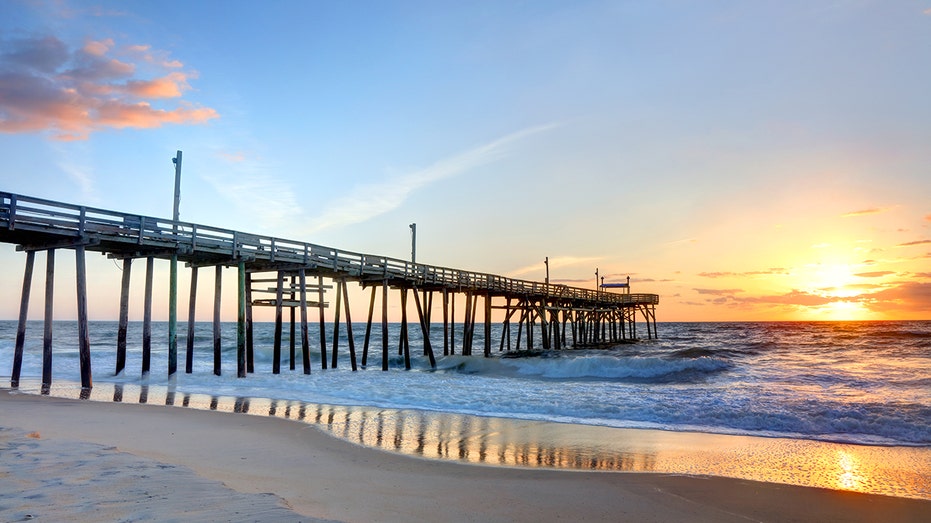
An aerial view of Rodanthe on Hatteras Island in Dare County, North Carolina, part of the Outer Banks.(iStock)
Maine beaches
Booked occupancy rate: 40.7%
ALASKA AIRLINES UNVEILS LIE-FLAT SUITES, UPGRADED PERKS IN NEW INTERNATIONAL BUSINESS CLASS
Newport, Rhode Island
Booked occupancy rate: 40.4%
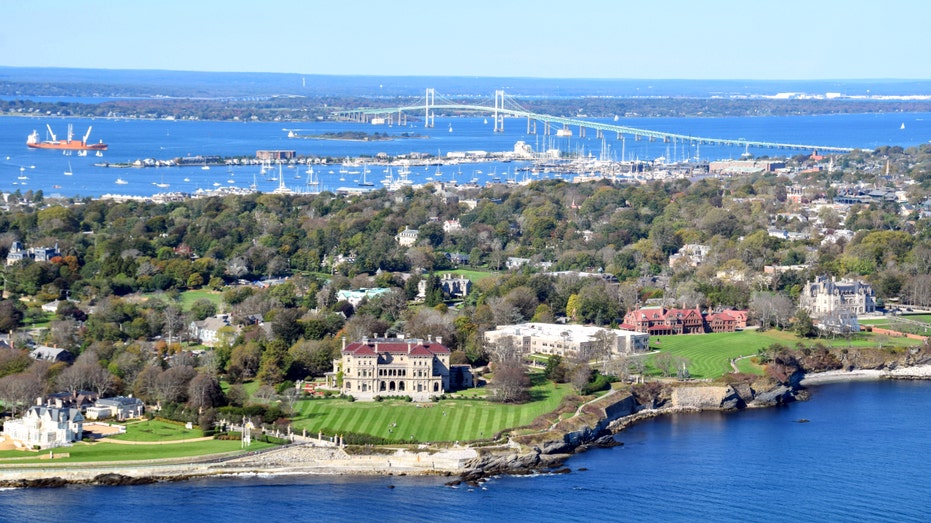
A view of Newport, Rhode Island, with the Breakers in the foreground.(Getty Images)
Kenai Peninsula, Alaska
Booked occupancy rate: 40.3%
Maine (Down East/Acadia coast)
Booked occupancy rate: 40.2%
Michigan west coast
Booked occupancy rate: 39.4%
Atlantic City/Ocean City, New Jersey
Booked occupancy rate: 38.7%
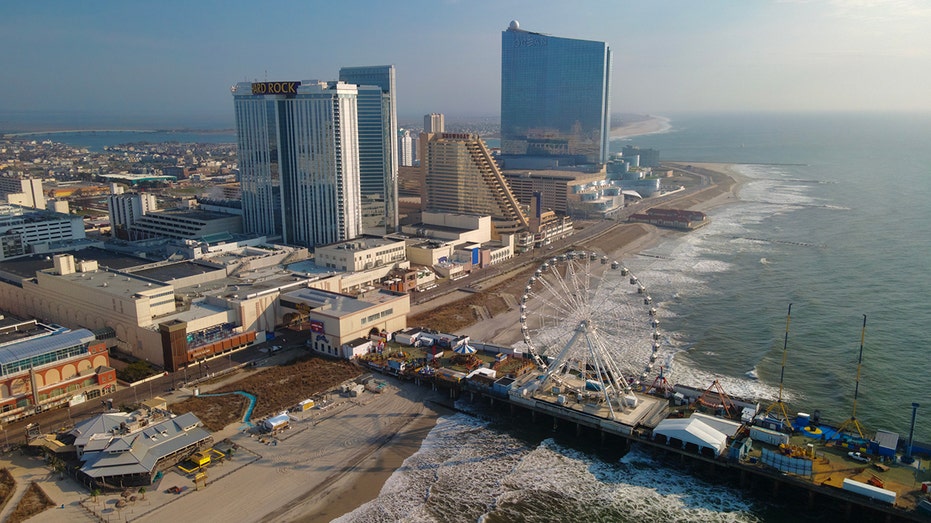
Aerial view of the boardwalk and shoreline in Atlantic City, New Jersey.(iStock)
While traditional coastal destinations like Cape Cod, Outer Banks, and various Maine beaches still command strong booking rates, Jackson Hole’s lead suggests a reallocation of tourism dollars. This nuanced shift implies that while classic vacation spots retain their appeal, a growing segment of consumers is actively seeking out alternative, often more adventurous, experiences. For regional economies, this could mean increased investment in infrastructure, outdoor recreation facilities, and specialized services in areas previously secondary to established beach resorts.
JETBLUE EXPANDS FORT LAUDERDALE HUB WITH NEW DESTINATIONS AND INCREASED FLIGHTS
Concurrently, another powerful force is shaping the 2026 travel market: major global events. Demand is spiking dramatically in cities slated to host matches during the 2026 FIFA World Cup. “We’re also seeing a World Cup windfall with demand in host cities like Fort Worth and Kansas City increasing drastically,” Lankston confirmed. This phenomenon highlights how mega-events act as significant economic catalysts, injecting substantial revenue into local economies and creating transient but intense demand for accommodation and services.
The implications for the hospitality sector are profound. With traditional hotels in World Cup host cities expected to reach peak occupancy and premium pricing, short-term rentals are perfectly positioned to capture overflow demand. This not only benefits individual homeowners but also attracts savvy real estate investors looking for event-driven arbitrage opportunities. Airbnb’s reported “$750 host incentives” further sweeten the deal, encouraging more homeowners to list their properties and monetize their assets during these high-demand periods. “Between the $750 host incentives from Airbnb and the surging occupancy rates, the 2026 rental season is shaping up to be a lucrative side hustle for many American homeowners in these metros,” Lankston added.
This “side hustle” trend, fueled by platforms like Airbnb and Vrbo, democratizes access to the hospitality market, allowing ordinary homeowners to participate directly in the travel economy. It also signifies a broader socio-economic trend where individuals leverage underutilized assets to generate income, a mechanism often amplified during periods of economic uncertainty or high inflation.
GET FOX BUSINESS ON THE GO BY CLICKING HERE
Market Impact
The early and robust booking trends for Summer 2026 provide several key market insights. Firstly, the strong forward-looking demand, particularly for high-value experiential travel, underscores resilient consumer confidence among affluent segments, signaling a continued allocation of discretionary income towards leisure despite broader economic volatility. This bodes well for the overall travel and hospitality sector, including airlines, online travel agencies, and luxury hospitality providers. Secondly, the shift towards mountain and nature-based destinations like Jackson Hole suggests a re-evaluation of investment portfolios within the real estate and tourism industries, pointing to potential growth and increased valuation for properties and businesses in unique, experience-rich markets. Lastly, the concentrated demand generated by mega-events like the FIFA World Cup highlights tactical investment opportunities in specific urban centers for short-term rental properties and ancillary services, while also stressing the critical role of platforms like Airbnb in enabling and capitalizing on such event-driven economic booms. These trends collectively paint a picture of a dynamic, adaptable travel market, driven by evolving consumer preferences and significant event catalysts, offering diverse opportunities for strategic investors and businesses.