
Key Takeaways:
A widespread surge in component costs, dubbed “RAMageddon,” particularly affecting memory and storage, is causing significant price hikes across the gaming hardware sector.
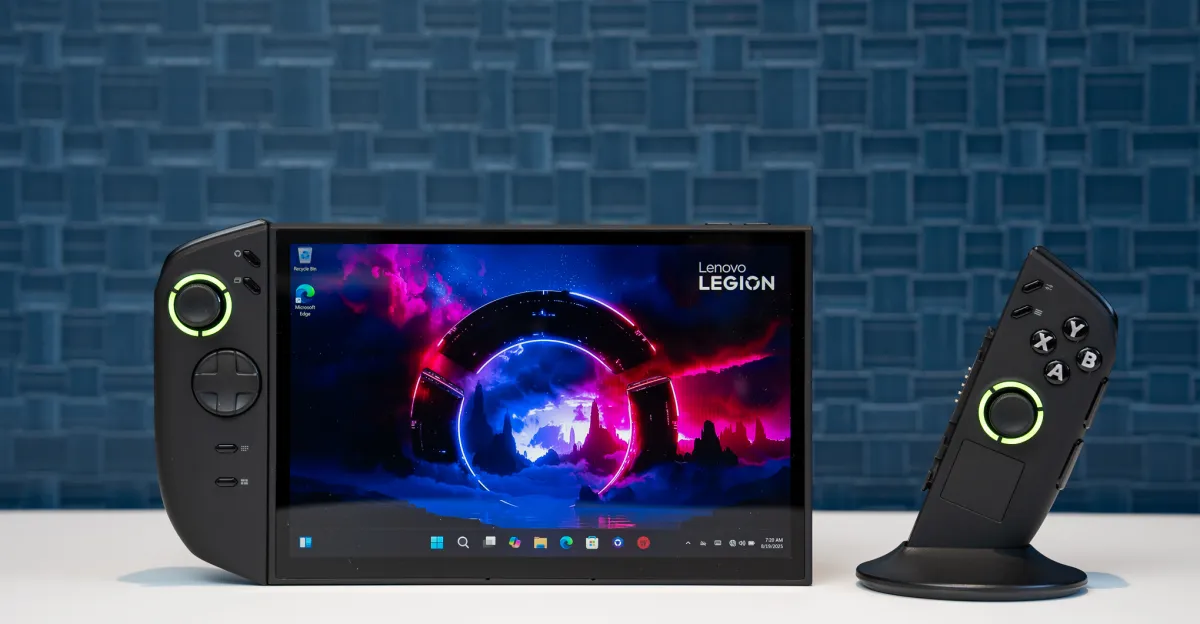
Lenovo’s highly anticipated Legion Go 2 is rumored to launch at an unprecedented $2,000, a price point that dramatically outstrips its competitors, despite promising features.
While some rivals like the Xbox Ally X currently maintain lower prices, the overarching industry trend suggests that consumers should brace for a new, more expensive era in gaming hardware.
The $2,000 Handheld: Is Lenovo’s Legion Go 2 a Sign of Gaming’s Pricey Future?
The burgeoning market for handheld gaming PCs has offered a tantalizing promise: the full power of PC gaming, distilled into a portable form factor. Devices like Valve’s Steam Deck, ASUS’s ROG Ally, and a growing array of niche contenders have captured the imagination of gamers eager to take their extensive game libraries on the go. Yet, this exciting segment now stands at a precipice, threatened by a looming crisis of affordability. Recent reports and industry whispers suggest that component costs are spiraling out of control, setting the stage for a dramatic shift in pricing strategies across the board. Leading this charge, with a price tag that has sent shockwaves through the community, is Lenovo’s anticipated Legion Go 2.
Lenovo’s Audacious Bet: $2K for a Handheld?
The news is stark: Lenovo’s flagship handheld, the Legion Go 2, is rumored to hit the market at a staggering $2,000. This isn’t just a premium price; it’s a paradigm shift. To put this into perspective, consider the Microsoft/Asus Xbox Ally X, which is expected to leverage the same AMD chip architecture for a mere $999. In this direct comparison, the Legion Go 2 would cost an astounding twice as much. Even more jarring is the comparison to last year’s GPD Win 5, a device that, while also premium, offered a “far more powerful” AMD Strix Halo chip, with configurations starting considerably lower than this new rumored Legion Go 2 price point.
While the Legion Go 2 undoubtedly brings its own set of compelling features to the table—including its innovative detachable controllers and a “stellar screen” that promises an immersive visual experience—the question remains: do these enhancements truly justify doubling the price of a direct competitor? For many, a $2,000 handheld device veers sharply into the territory of high-end gaming laptops, which offer significantly more versatility and raw power. The initial reaction from enthusiasts has been, predictably, one of disbelief: “$2K? Get outta here.”
RAMageddon Unleashed: The Cost Crisis Beneath the Hood
This unprecedented price hike isn’t an isolated incident or simply a brand’s audacious attempt to redefine luxury gaming. It’s a symptom of a much larger, insidious problem sweeping across the tech industry: “RAMageddon.” This portmanteau aptly describes the global surge in the cost of crucial components, primarily RAM (Random Access Memory) and storage solutions. The factors contributing to this crisis are multifaceted: persistent supply chain disruptions lingering from the pandemic, geopolitical tensions impacting raw material availability, and an exponential increase in demand from emerging technologies like AI and data centers. As these industries gobble up vast quantities of advanced memory and storage, the ripple effect is felt by consumer electronics manufacturers.
The impact is profound, rendering once-viable product lines “unsustainable.” A prime example is Ayaneo, a prominent player in the handheld PC space, which had to cancel its much-anticipated $1,999-and-up Next 2, citing escalating storage prices as the primary reason. This wasn’t a choice; it was a necessity. Even established brands like GPD, known for their compact powerhouses, have felt the squeeze. While GPD has hiked its Strix Halo handheld prices “some,” they still manage to offer the Win 5 with a robust configuration of 32GB of RAM, 2TB storage, and an AI Max Plus 395 chip for $2,500 – a price that now, surprisingly, looks competitive against the Legion Go 2’s potential baseline.
The Broader Impact: A Market Under Pressure
The repercussions of “RAMageddon” extend far beyond the niche world of handheld PCs. The entire gaming hardware ecosystem is taking a hit. Sony, a titan in the console space, recently increased the price of the PlayStation 5 by $100 to $150 in various regions, a move that directly reflects the rising cost of manufacturing and components. This trend forces manufacturers into a difficult predicament: absorb the increased costs and sacrifice profit margins, or pass them on to consumers and risk alienating their user base. For a market segment built on innovation and accessibility, particularly one trying to woo PC gamers with portability, such dramatic price increases could stifle growth and adoption.
Competitors’ Corner: Holding the Line (For Now)
Amidst this escalating price war, some competitors are, for now, holding their ground. The Microsoft/Asus Xbox Ally X, poised to offer a compelling alternative at $999, has yet to announce any price adjustments. Asus rep Anthony Spence confirmed that there’s “no price increase on the horizon, so far as I can tell,” at least in the US. However, given the relentless upward trajectory of component costs, it’s fair to assume that even these stalwart devices may not be immune indefinitely. The pressure to maintain competitive pricing while grappling with rising production expenses is immense, and it’s likely only a matter of time until more manufacturers are forced to reconsider their retail strategies.
Looking Ahead: What Does This Mean for Gamers?
The current landscape paints a challenging picture for enthusiasts and casual gamers alike. The era of affordable, high-performance gaming hardware might be drawing to a close, at least temporarily. For consumers, this means tougher choices and a re-evaluation of value propositions. Will the allure of portable PC gaming diminish if the entry cost rivals that of a dedicated desktop rig? Manufacturers will need to innovate not just in performance and features, but also in cost-effectiveness, or risk shrinking their potential market. The long-term sustainability of the handheld PC market hinges on finding a delicate balance between cutting-edge technology and accessible pricing, a balance that “RAMageddon” has severely disrupted.
Bottom Line:The rumored $2,000 price tag for the Lenovo Legion Go 2 is a stark warning shot, signaling that the “RAMageddon” of rising component costs is fundamentally reshaping the gaming hardware landscape. As prices soar and products become “unsustainable,” the industry faces a critical juncture where innovation must contend with affordability, ultimately dictating the future accessibility and evolution of portable PC gaming.
{content}
Source:{feed_title}