
Key Takeaways:
- Amazon will cease software support for Kindle devices released in 2012 or earlier starting May 20, bricking their ability to download new ebooks directly from the Kindle Store.
- This decision exemplifies planned obsolescence, compelling users to purchase new hardware, and significantly contributes to the escalating global e-waste crisis.
- While existing books remain readable and manual transfers are possible, consumers are encouraged to explore non-Amazon e-readers and ebook retailers that support local businesses and sustainable practices.
Amazon’s Kindle Obsolescence: A Digital Library’s End, or a New Beginning?
The relentless march of technological progress often comes with an inconvenient truth: the planned obsolescence of perfectly functional devices. It’s a recurring saga where companies unilaterally decide the lifespan of your gadgets, forcing upgrades, generating mountains of electronic waste, and often leaving loyal customers in a lurch. This time, the spotlight shines on Amazon, whose latest policy shift threatens to turn a generation of beloved Kindle e-readers into digital relics.
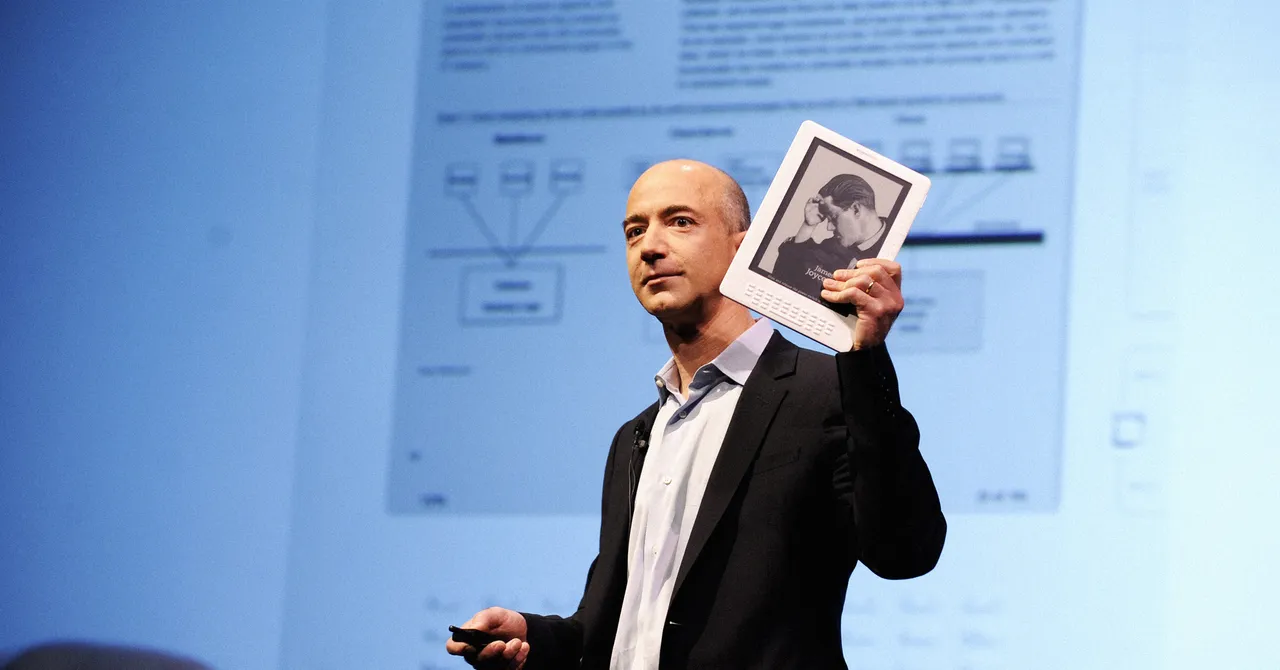
Come May 20, 2024, a significant number of Amazon’s older Kindle devices will lose a core functionality that many consider indispensable: the ability to connect to the Kindle Store and download new ebooks. This isn’t just an inconvenience; for many users, it effectively “bricks” a key aspect of their device, pushing them towards a forced upgrade cycle. The move impacts a range of devices, including the venerable first- and second-generation Kindles, the Kindle DX and DX Graphite, the tactile Kindle Keyboard, the Kindle 4, the Kindle Touch, the Kindle 5, and even the first-generation Kindle Paperwhite. Owners of Kindle Fire tablets from the same era will also find their ebook downloading capabilities curtailed, although other applications on these versatile devices may continue to function.
The Digital Disconnect: What Stays, What Goes
Amazon’s announcement specifies that affected devices—those released in 2012 or earlier—will no longer be able to access the Kindle Store. This means the seamless experience of browsing, purchasing, and downloading new titles directly to your device will be a thing of the past. For many avid readers, this represents a significant downgrade, transforming their once vibrant digital gateway into a static repository. The immediate implication is clear: if you wish to expand your digital library within the Amazon ecosystem, a new device becomes all but mandatory.
It’s not a complete digital death sentence, however. Users will still be able to access and read any books already downloaded onto their devices. Furthermore, for those willing to engage in a more hands-on approach, manually transferring documents and ebooks via a USB cable remains an option. This method, while functional, bypasses the very convenience that made e-readers revolutionary in the first place. A notable ambiguity surrounds the functionality of third-party services like Libby, which often rely on the Kindle Store infrastructure to deliver library-borrowed ebooks. Amazon has not yet clarified whether these crucial integrations will continue to work, leaving many library patrons in limbo.
A Widespread Trend: Planned Obsolescence in Tech
Amazon’s decision, while impactful, is far from an isolated incident. It’s part of a broader, disconcerting trend across the tech industry where companies routinely discontinue support for older hardware, often citing security concerns, maintenance costs, or simply the desire to push users towards newer, more profitable models. In 2024, Spotify made headlines by ending support for its Car Thing device, rendering it largely useless. Google similarly announced that its older Nest thermostats would lose key functionalities in 2025. Perhaps most significantly, Netflix, earlier this year, ended support for nearly 87 million older devices globally, impacting smart TVs, streaming sticks, and gaming consoles. These examples paint a clear picture: consumers are increasingly at the mercy of manufacturers’ product lifecycle decisions, often resulting in perfectly good hardware being prematurely retired.
The primary driver behind these moves, beyond genuine security updates, often boils down to economics. Maintaining software compatibility for a dwindling user base on older hardware can be costly. However, the environmental impact of this strategy is profound. Each forced upgrade contributes to the ever-growing global mountain of electronic waste, or e-waste – a toxic mix of discarded electronics that often ends up in landfills, leaching harmful chemicals into the environment, or being shipped to developing countries for unsafe dismantling. The lifecycle of consumer electronics, from raw material extraction to disposal, carries a heavy environmental footprint, exacerbated by planned obsolescence.
Amazon’s “Solution” and Your Options
Unsurprisingly, Amazon is offering its own solution for affected customers keen to maintain access to its vast digital library. Users can still access their collection via the Kindle app on smartphones, tablets, or computers, or through a web browser using Amazon’s Kindle Cloud Reader. More directly, and perhaps predictably, the company is encouraging customers to purchase new Kindles. To sweeten this pill, Amazon is offering a 20 percent discount on a new device, coupled with a $20 ebook credit, redeemable via a personalized code sent to affected customers. While seemingly generous, this offer subtly reinforces the upgrade cycle, shifting the financial burden back to the consumer and perpetuating the cycle of consumption.
However, users are not entirely beholden to Amazon’s ecosystem. For those disinclined to remain part of the “Bezos-land” empire, a vibrant market of alternative e-readers exists, many of which offer more open ecosystems and broader file format support. Brands like Kobo, Nook, and reMarkable provide excellent reading experiences with different philosophies regarding digital ownership and compatibility. Furthermore, the search for new ebooks doesn’t have to start and end with Amazon. Platforms like Bookshop.org, which last year expanded into selling ebooks, offer a compelling alternative. By purchasing ebooks through Bookshop.org, a portion of the proceeds directly supports independent brick-and-mortar bookstores, providing a valuable lifeline to local businesses and offering a sense of “good karma” for the conscious consumer. This shift not only diversifies your reading sources but also champions a more ethical and sustainable approach to book consumption.
The Bottom Line
Amazon’s decision to discontinue software support for older Kindles serves as a stark reminder of the inherent vulnerabilities within proprietary digital ecosystems. It underscores the broader industry challenge of planned obsolescence, forcing consumers to weigh convenience against environmental impact and ethical considerations. While Amazon offers a path to upgrade, this moment also presents an opportunity for consumers to re-evaluate their digital dependencies, explore diverse reading platforms, and champion more sustainable and community-focused alternatives, transforming a forced obsolescence into a conscious choice for a better digital future.
{content}
Source:{feed_title}