
Key Takeaways
- AI-Native Wallet:Stripe has launched Link, a digital wallet specifically engineered to securely integrate with autonomous AI agents, enabling them to make purchases on a user’s behalf with explicit permission.
- Enhanced Security & Control:Link addresses key user concerns by allowing AI agents to request spending approval via OAuth and virtual cards, preventing direct exposure of sensitive payment credentials and offering future granular spending limits.
- Comprehensive Features:Beyond its AI capabilities, Link functions as a full-featured digital wallet, consolidating payment methods, tracking spending, managing subscriptions, and providing purchase protection.
Financial services platform Stripe is introducing a digital wallet specifically built for the AI era, where autonomous agents can perform tasks that include shopping, paying for reservations, buying tickets, and more.
Stripe Unveils Link: Powering the Autonomous AI Economy with a Secure Digital Wallet
At its annual conference this week, financial services giant Stripe made a significant stride into the burgeoning age of artificial intelligence, unveiling“Link”— a digital wallet engineered from the ground up to facilitate secure and controlled spending by autonomous AI agents. This isn’t just another digital wallet; it’s Stripe’s strategic response to the evolving landscape where AI, increasingly, will perform tasks ranging from booking travel and purchasing tickets to managing subscriptions and online shopping. Link aims to be the financial bedrock for this new wave of automation.
The AI Agent Dilemma: Convenience vs. Control
The promise of autonomous AI agents is immense: imagine an AI assistant that can proactively manage your travel arrangements, procure necessary supplies, or handle routine payments without constant human intervention. The past year has seen a significant boom in interest and experimentation with these always-on AI agents. Evidence of this growing fascination includes the reported sell-out of base model Mac Minis – a popular, accessible platform for running such agents locally – highlighting a burgeoning demand for these intelligent tools. However, a critical hurdle has prevented widespread adoption: the inherent trust deficit when it comes to granting an AI agent direct access to sensitive financial information. The idea of an AI making purchases on your behalf, while convenient, rightly raises concerns about security, unauthorized spending, and the potential for misuse. Many users understandably hesitate to expose raw payment credentials to even the most sophisticated AI, even if it promises unparalleled convenience by automating various bookings.
Stripe’s Link wallet is purpose-built to bridge this gap, offering a robust and secure framework that allows users to harness the power of AI automation without compromising their financial security. It provides a crucial layer of separation and control, addressing the legitimate anxieties associated with entrusting finances to an algorithm.
Seamless and Secure AI-Driven Spending
At the heart of Link’s innovation is its secure integration with autonomous AI agents like OpenClaw. Instead of directly sharing credit card numbers or bank details, users grant their AI agents programmatic access to the Link wallet through a standard OAuth authentication flow. This widely adopted protocol ensures a secure handshake between the user, Link, and the AI agent, limiting the information shared and establishing clear permissions. It means that the agent never actually sees or stores your raw payment credentials, acting merely as an intermediary that requests action from a trusted financial service.
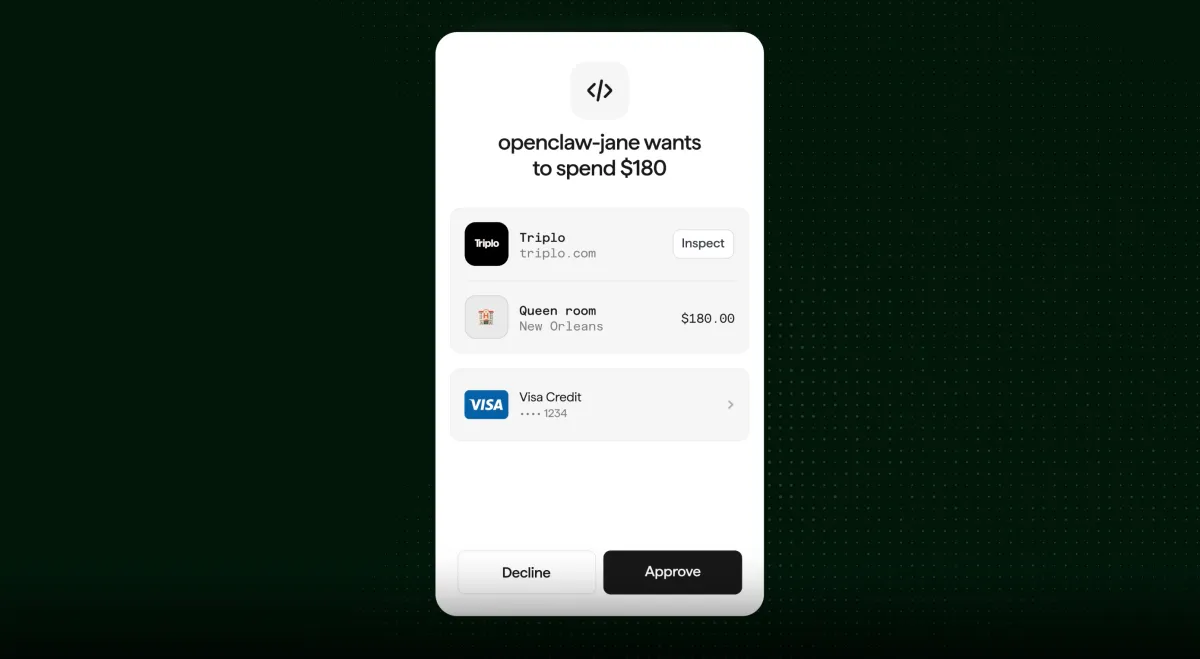
When an AI agent needs to make a purchase, it doesn’t just proceed autonomously. Instead, it creates a “spend request,” providing the user with full context about the proposed transaction – what is being bought, from whom, and for how much. This request triggers a notification – on mobile or web – allowing the user to review the details and provide explicit approval before any payment credential is shared or transaction processed. This vital step ensures that human oversight remains firmly in place, giving users peace of mind and ultimate control over their finances, transforming potential anxiety into controlled convenience.

Stripe isn’t stopping there. The company has outlined plans to introduce advanced controls, empowering users to customize their AI agents’ spending permissions further. Future iterations will allow for setting specific spending limits for agents or defining conditions under which agents can act without requiring explicit, real-time approval. This level of granular control is crucial for tailoring the AI experience to individual comfort levels and financial strategies, promising a truly personalized and secure interaction with autonomous systems.
Issuing for Agents: A New Paradigm for Programmatic Payments
Underpinning Link’s AI capabilities is Stripe’s new“Issuing for agents”platform. This sophisticated infrastructure enables the issuance of virtual cards specifically for AI agents to use. These virtual cards are not tied directly to a user’s primary bank account or credit card but are instead provisioned by Link, offering real-time authorization capabilities, customizable spending controls, and complete transaction visibility. This essentially creates a dedicated financial channel for AI agents, isolated from the user’s main accounts.
Users can choose between two primary methods for agent payments:
- Programmatic access to Link:This provides a one-time-use virtual card for a specific transaction, maximizing security by ensuring credentials are valid only for a single, approved purchase.
- Shared Payment Token (SPT):Backed by existing payment cards and bank accounts, SPTs offer a more persistent yet still secure way for agents to make purchases within defined parameters, ideal for recurring or frequent transactions.
Currently, Link integrates with traditional payment methods, but Stripe has confirmed that support for“agentic tokens,” stablecoins, and other emerging payment typeswill be added “soon,” signaling a future-proof approach to the evolving digital asset landscape and ensuring Link remains relevant in an increasingly diverse financial ecosystem.
Beyond AI: A Full-Featured Digital Wallet
While its AI integration is a headline feature, Link also functions as a comprehensive digital wallet designed to simplify everyday financial management. Available across web, iOS, and Android platforms, it offers a suite of expected functionalities that users have come to expect from modern digital payment solutions:
- Payment Method Consolidation:Users can securely connect and store various payment methods, including credit and debit cards, bank accounts, cryptocurrency wallets, and even popular buy now/pay later (BNPL) services, creating a single hub for all their payment needs.
- Streamlined Checkout:Link securely stores essential details like billing and shipping information, enabling faster and more convenient online checkouts across supported merchants, reducing friction in online shopping.
- Spending Insights:The wallet provides users with a clear overview of their expenditures, helping them track where their money is going and better manage their budget.
- Subscription Management:A particularly handy feature, Link allows users to track their recurring subscriptions in one place and, critically, update payment methods on file for these services as needed, preventing lapses or unwanted charges.
- Purchase Protection:For added assurance, Link offers 90 days of protection on eligible purchases from select merchants, mirroring the security features found in many premium credit cards and providing an extra layer of consumer confidence.
Empowering Developers and Shaping the Future of Payments
Stripe’s foray into AI-centric payments extends a crucial benefit to the developer community. Businesses and individual developers building their own autonomous agents or AI personal assistants can leverage Link’s robust wallet infrastructure instead of expending resources to build a secure payment system from scratch. This significantly lowers the barrier to entry for AI innovation, allowing developers to focus on core AI functionalities while relying on Stripe for the complex and critical payment rails. This accelerates the pace of innovation within the AI ecosystem, fostering the creation of more sophisticated and trustworthy agents.
This strategic move underscores Stripe’s ambition not just to process payments, but to define how payments will function in an increasingly automated and AI-driven world. By addressing the security and control concerns head-on, Link is poised to accelerate the adoption and practical utility of autonomous AI agents, making them a more integrated and trustworthy part of our digital lives. It solidifies Stripe’s position as a forward-thinking leader, adapting its core strengths to anticipate and shape the needs of the next technological frontier.
Bottom Line
Stripe’s Link wallet represents a pivotal development in the convergence of AI and finance. By offering a secure, permission-based pathway for autonomous AI agents to manage transactions, Stripe has tackled a fundamental trust issue hindering AI adoption. This innovation not only empowers users with greater control over their AI-driven spending but also provides a vital infrastructure for developers building the next generation of intelligent assistants. Coupled with its comprehensive suite of traditional digital wallet features, Link is more than just a payment tool; it’s a foundational component designed to unlock the full potential of AI-driven automation in our financial lives, firmly positioning Stripe as a key enabler and architect of the future of digital commerce.
When you purchase through links in our articles, we may earn a small commission. This doesn’t affect our editorial independence.
{content}
Source:{feed_title}