
Key Takeaways
- **Geopolitical Conflict Fuels Inflation:** The escalating Iran conflict is directly impacting global supply chains for critical electronic components, particularly Printed Circuit Boards (PCBs), leading to significant price hikes for raw materials and finished goods.
- **Electronics Sector Faces Margin Compression & Price Increases:** Manufacturers of smartphones, laptops, and AI servers are confronting soaring input costs (PCBs up 40%, copper foil up 30%), forcing a strategic dilemma: absorb costs and shrink margins, or pass them onto consumers, risking demand elasticity.
- **Consumer Impact Imminent:** While not immediate, consumers can anticipate higher prices and potentially reduced availability for a wide range of electronic devices by late summer and fall, coinciding with key retail seasons, as supply chain pressures trickle down.
Americans shopping for smartphones, laptops, or even home appliances may soon start feeling the compounding effects of the Iran conflict – not just at the gas pump, but profoundly impacting the broader technology market and, ultimately, their wallets at the checkout screen.
A severe disruption to an essential component in virtually all modern electronics – printed circuit boards (PCBs) – is currently driving up costs across the entire tech industry. This surge in input prices is significantly increasing the likelihood that consumers will face higher retail prices and fewer promotional deals in the months ahead, signaling a tightening market for electronic goods.
Market data already reflects this acute pressure. Prices for circuit boards have seen an alarming surge, jumping as much as 40% in April alone, according to detailed analysis from Goldman Sachs. Concurrently, other key inputs vital for PCB production, such as copper foil – which represents one of the largest cost components in these intricate boards – have climbed by as much as 30% this year. These sharp increases are not isolated incidents but rather indicators of a systemic shock rippling through the manufacturing sector.
The core of this disruption stems directly from the ongoing geopolitical tensions and military engagements with Iran. These events have severely impacted the supply of critical raw materials used to produce PCBs, which effectively function as the “nervous system” inside nearly every electronic device imaginable, ranging from personal smartphones and sophisticated computers to advanced automotive systems and high-performance AI servers. The interconnectedness of global supply chains means that regional instability in a critical production or transit zone can have far-reaching economic consequences.
GAS PRICES SOAR TO HIGHEST POINT SO FAR DURING UNSETTLED CONFLICT WITH IRAN
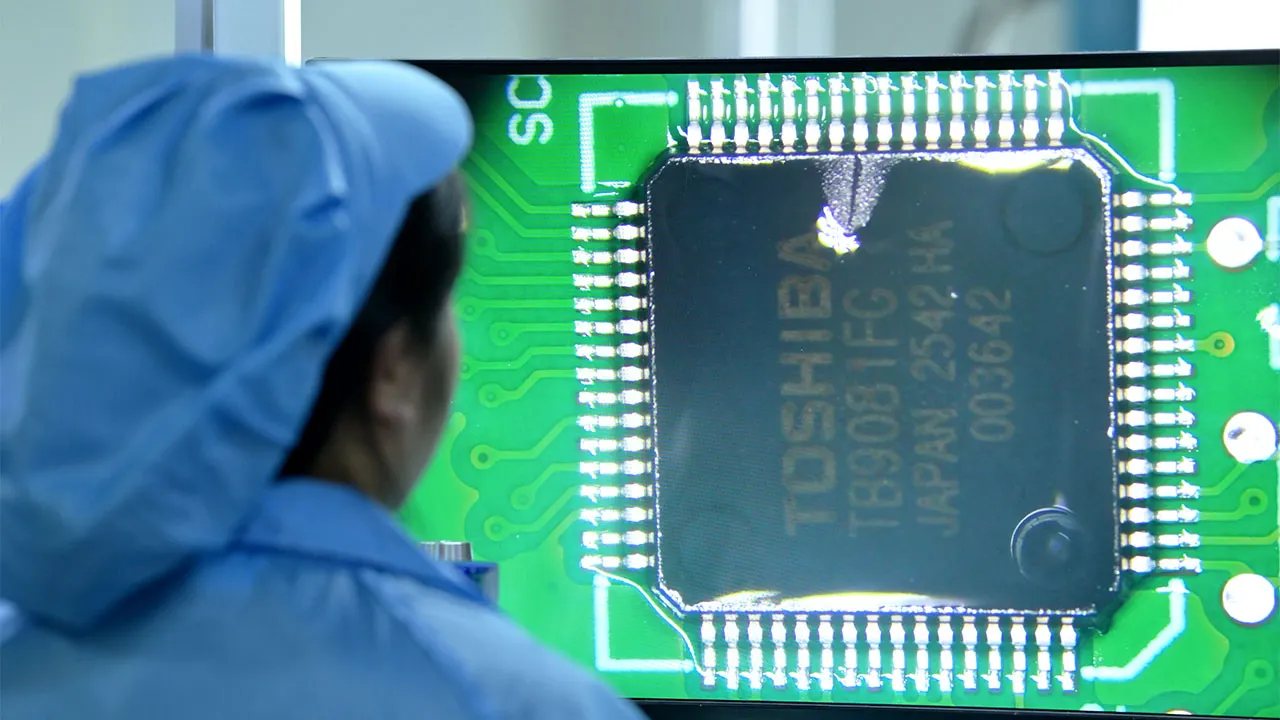
An engineer tests the quality of chips for the electronic control unit (ECU) steering controller at a workshop on March 5, 2026.(Lyu Bin/VCG via Getty Images)
At the epicenter of this particular supply chain upheaval was an Iranian strike on Saudi Arabia’s Jubail petrochemical complex in early April. This event, according to industry analysts, critically halted production of a vital resin used in circuit board manufacturing, thereby drastically tightening global supply. Compounding these issues, key shipping routes in and out of the Gulf region – a crucial artery for global trade – have also experienced significant disruptions, exacerbating delays and creating pervasive shortages across the logistics network.
CHEVRON CEO WARNS AVIATION STRAIN COULD WORSEN AS JET FUEL CRUNCH DEEPENS
Manufacturers worldwide are now engaged in a frantic scramble to secure necessary materials. This desperation is evident in the dramatic extension of lead times for some essential chemicals, stretching from a customary three weeks to an unprecedented 15 weeks, as reported by various industry sources. This pressure is not contained; it is cascading through the broader technology supply chain, affecting everything from fabrication to final assembly.
“It is not just PCBs,” observed Ben Bajarin, CEO of Creative Strategies, a prominent tech advisory firm. “Memory, storage, and wafer costs are all experiencing upward pressure, significantly increasing the overall bill of materials for devices. This reflects a broader inflationary trend within the semiconductor ecosystem.”

Buildings left in ruins from Israeli/U.S. airstrikes on April 4, 2026, in southern Tehran, Iran.(Majid Saeedi/Getty Images)
In response, technology companies are attempting to mitigate these escalating costs through various strategies, including aggressive negotiation of long-term supply contracts and absorbing a portion of these increases within their own margins. However, experts caution that this absorption capacity is finite.
Industry analysts unanimously agree that while shoppers may not witness immediate price hikes, the increases are an inevitable outcome of the current market dynamics. “For the average consumer shopping at Best Buy or Amazon, the pass-through won’t happen overnight,” explained Galen Zeng, a semiconductor supply chain analyst at IDC. “But expect it to materialize within the next few months, as inventories turn over and new, higher-cost components enter the production cycle.”
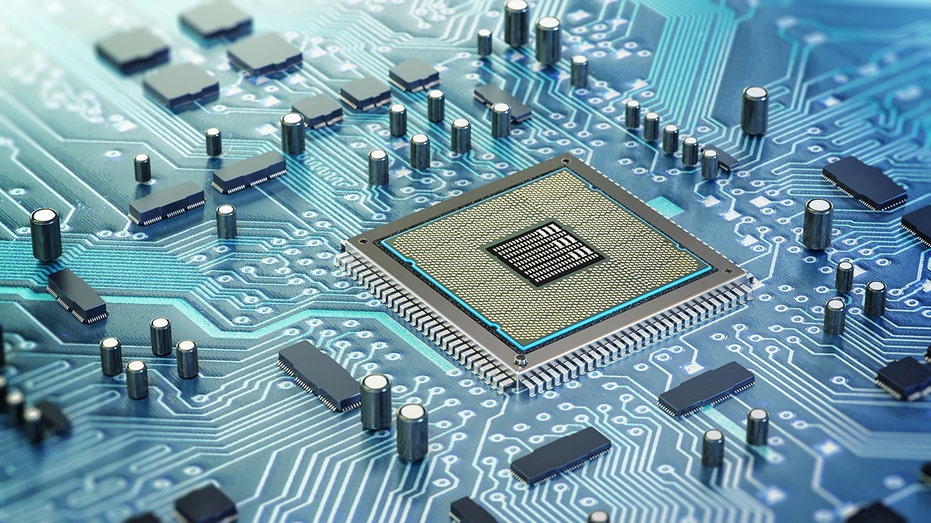
Prices for circuit boards have already surged, jumping as much as 40% in April alone, according to Goldman Sachs.(iStock)
Dan Ives, a prominent analyst at Wedbush Securities, reiterated this sentiment, suggesting that the full impact will likely become more distinctly visible later in the year. “There will be a lag as much of these costs are absorbed internally or by various tiers in the supply chain,” Ives noted. “However, the summer and fall timeframe could see consumer prices notably begin to rise.”
This critical timing coincides with traditionally robust retail periods, including back-to-school shopping and the crucial early holiday buying season, when consumer demand for electronics typically experiences its most significant acceleration. Such timing implies that increased prices could collide with peak demand, potentially dampening consumer enthusiasm or shifting purchasing patterns.
Data compiled by the Institute for Supply Management (ISM) consistently indicates that companies typically pass through at least a portion of significant cost increases to their customers, even if they absorb some of the initial impact through margin compression. According to ISM Manufacturing PMI Chair Susan Spence, this is a standard operational response to sustained input cost inflation.
While some analysts maintain a cautious view, suggesting companies might absorb costs in the short term to maintain market share, others issue a more dire warning: these price increases may be structural and long-lasting. “This is a structural, multi-year upcycle driven significantly by insatiable AI demand – not merely a temporary spike caused by a single event,” Zeng asserted. “The cost floor for advanced electronics is fundamentally shifting upward, driven by both geopolitical risk and robust secular demand trends.”
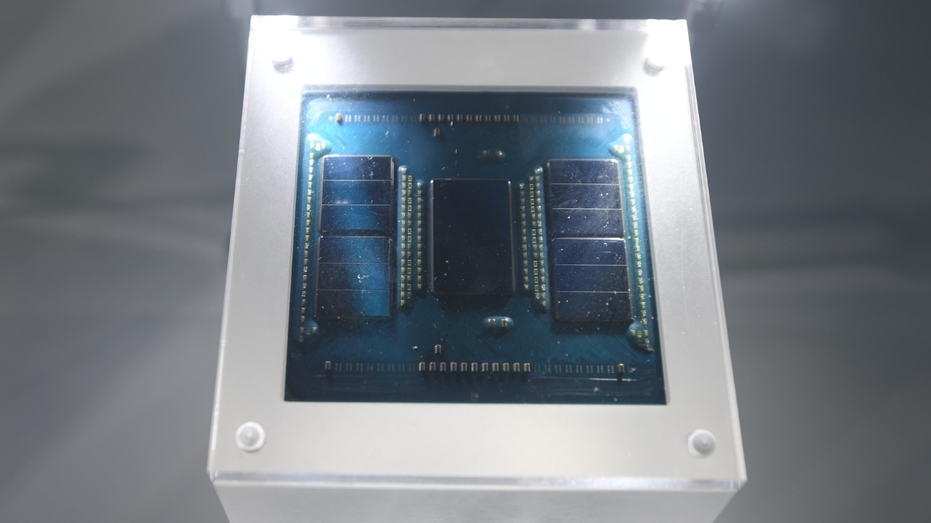
AMD AI chip showcased at an exhibition in Hangzhou, Zhejiang Province, China.(CFOTO/Future Publishing via Getty Images)
Indeed, the surging demand for AI infrastructure, particularly high-performance computing components, is already creating intense competition with consumer electronics for the limited global supply of key components. This dynamic further squeezes availability and drives up prices across the board. Even prior to the recent Middle East conflict, PCB demand had been rising rapidly, fueled by the explosive growth of AI server deployment, which had already contributed to tightening supply conditions.
Beyond the direct impact of higher prices, consumers may also encounter limited availability of certain devices. “As critical supplies are increasingly redirected toward AI and high-performance computing sectors due to higher margins and strategic importance, consumer electronics manufacturers are left competing for an effectively shrinking pool of available components,” Zeng elaborated.
The potential consequence of this resource reallocation and persistent supply disruption could manifest as product delays or widespread “out of stock” issues for some popular electronic products, particularly if the geopolitical instability and supply chain bottlenecks endure. This could lead to consumer frustration and a shift in purchasing priorities.
Ives acknowledged that while widespread shortages are not yet a certainty, they represent a significant and growing risk. “If the current rate of disruption and cost escalation continues, we could very well see shortages across certain product categories extending into the fall,” he cautioned.
Historically, supply chain shocks rarely translate into a direct, one-to-one increase in retail prices, as various market forces and corporate strategies come into play. However, these cost pressures seldom disappear entirely without leaving an imprint. The current confluence of geopolitical risk and structural demand suggests a more lasting impact.
CLICK HERE TO GET FOX BUSINESS ON THE GO
Ultimately, consumers are unlikely to entirely escape the financial reverberations of this escalating situation. The disruption may originate deep within the complex global supply chain, but its tangible effects are highly likely to surface in familiar places: higher price tags, fewer attractive discounts, and tighter inventory for a vast array of everyday tech products.
And with underlying global demand for electronics continuing its robust upward trajectory, particularly driven by emerging technologies like AI, market relief from these inflationary pressures and supply constraints may not materialize quickly, suggesting a prolonged period of elevated costs.
Reuters contributed to this report.
Market Impact
The current confluence of geopolitical instability in the Middle East and its direct impact on critical technology supply chains carries significant implications for global financial markets. **Inflationary Pressures** are expected to intensify, with rising input costs for electronics potentially feeding into broader Consumer Price Index (CPI) figures, challenging central banks’ efforts to manage inflation and influencing future interest rate decisions. For the **Technology Sector**, this translates to potential margin compression for hardware manufacturers (e.g., Apple, Samsung, Dell, HP) and semiconductor firms (e.g., Qualcomm, Intel, Broadcom) if they absorb costs, or a risk of demand destruction if price increases are fully passed to consumers. Companies with strong pricing power or diversified supply chains may weather the storm better, leading to a re-evaluation of tech stock valuations. Investors may shift focus to **Supply Chain Resilience** as a key differentiator, favoring companies that demonstrate robust sourcing strategies or have the capacity to build buffer inventories. Furthermore, the intensified competition for components between consumer electronics and high-growth sectors like **AI and data centers** underscores a structural shift in component allocation, potentially driving up costs for enterprise hardware and impacting the profitability of cloud service providers and AI infrastructure developers. Overall, the market anticipates increased volatility and a cautious outlook for consumer discretionary spending on electronics, with geopolitical risk premiums embedded across commodity and logistics markets.