
‘The Big Money Show’ announces the winners of FOX Business’ ‘Made in America’ contest.
Key Takeaways for Investors:
- Domestic Manufacturing Boost:Former President Trump’s intensified “Buy American” directives signal a significant policy push to re-shore production and prioritize U.S.-made goods in federal procurement, potentially driving investment and job creation in domestic manufacturing sectors.
- Supply Chain Re-evaluation:The emphasis on reducing reliance on foreign supply chains and combating fraudulent “Made in America” claims will force companies to rigorously review their sourcing strategies, potentially leading to higher costs but also increased supply chain resilience and transparency.
- Sector-Specific Opportunities and Risks:Industries like defense, infrastructure, automotive, and certain technology sectors poised to benefit from increased federal contracts and consumer preference for American-made goods, while importers or companies heavily reliant on foreign components may face operational and cost challenges.
Former President Donald Trump, in a move signaling a potential future administration’s economic priorities, recently reiterated his staunch commitment to prioritizing American-made products in government purchasing. His emphatic declaration, “ALL FEDERAL AGENCIES MUST BUY AMERICAN — NO EXCUSES!” on Truth Social, reverberates beyond a simple policy statement, setting a clear tone for market participants and corporate strategists regarding the future of federal procurement and industrial policy.
This directive is not merely a political slogan but carries substantial market implications, aiming to re-engineer decades of globalized supply chains. Trump critiqued past administrations for “sending Taxpayer Dollars overseas” and allowing “Foreign Countries rip us off,” assertions that resonate with segments of the electorate and certain manufacturing lobbies. For investors, this rhetoric translates into tangible policy shifts that could channel billions of dollars in federal spending directly into the domestic economy.
The core of Trump’s message centers on strengthening “MADE IN AMERICA Laws,” ending waiver loopholes, and halting federal purchases of foreign products when viable American alternatives exist. This commitment, if enacted with the full force of a presidential administration, could significantly alter the landscape for companies vying for lucrative government contracts. Defense contractors, infrastructure developers, and technology firms with robust U.S. manufacturing footprints stand to gain a competitive edge, potentially seeing enhanced revenue streams and increased demand for their domestically produced offerings.
“No more rubber-stamping exceptions for Foreign Products while American Workers get shafted,” Trump asserted, underscoring a protectionist stance designed to bolster domestic employment and industrial capacity. This focus implies a potential tightening of the rules governing foreign content in products sold to the government, a move that could compel multinational corporations to re-evaluate their production lines and potentially reshore parts of their operations to the U.S. to comply. This reshoring trend, while potentially increasing initial capital expenditure for businesses, could also lead to more stable supply chains, reduced geopolitical risk, and a stronger domestic industrial base, all factors closely watched by long-term investors.
The previous administration’s efforts, including Executive Order 14392, which aimed to crack down on fraudulent “MADE IN AMERICA” claims, provide a blueprint for future enforcement. This executive order explicitly directed the Federal Trade Commission (FTC) to prioritize enforcement against companies falsely labeling products as U.S.-made. From a market perspective, this heightens the importance of supply chain transparency and verifiable country-of-origin data. Companies that can genuinely demonstrate their American provenance will benefit from a level playing field, while those engaging in deceptive practices face not only reputational damage but also significant legal and financial penalties, including referrals to the U.S. Department of Justice.
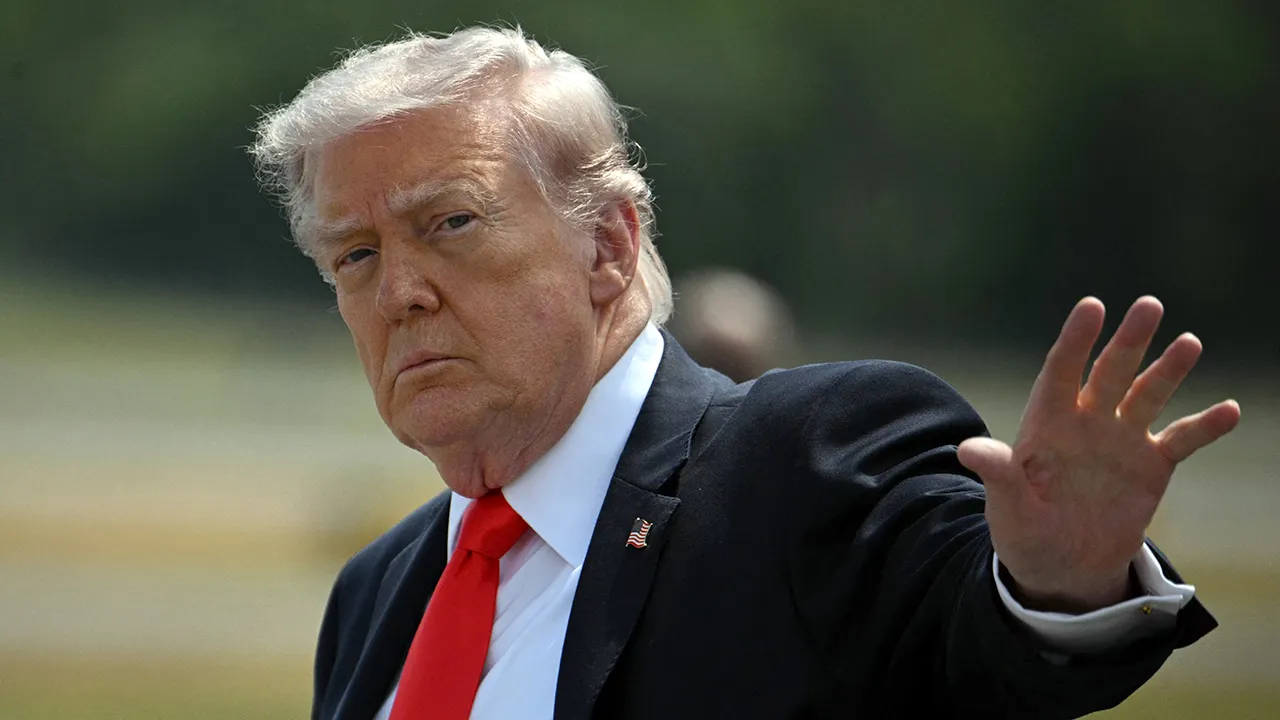
President Donald Trump said federal agencies must buy American-made products and stop using waiver loopholes to purchase foreign goods.( Jim WATSON / AFP via Getty Images / Getty Images)
This initiative aligns with a broader macroeconomic objective: to bolster U.S. manufacturing capabilities and reduce reliance on potentially vulnerable foreign supply chains. The COVID-19 pandemic starkly exposed the fragility of globalized supply chains, leading many nations, including the U.S., to reconsider the strategic importance of domestic production. Policies encouraging “Buy American” can be seen as a national security imperative as much as an economic one, aiming to ensure critical goods – from medical supplies to defense components – are produced on home soil.
In March, the former administration’s signing of an executive order to combat fraudulent “Made in America” labels further emphasized this commitment. This wasn’t merely a symbolic gesture; it directed federal agencies responsible for country-of-origin labeling to collaborate with the FTC on new regulations and consistent guidance. For businesses, this means increased scrutiny and a need for robust compliance frameworks to ensure their claims meet stringent federal standards. Companies that invest in authentic domestic production and transparent labeling practices will be well-positioned, while those relying on ambiguous or misleading claims will face heightened regulatory risk.
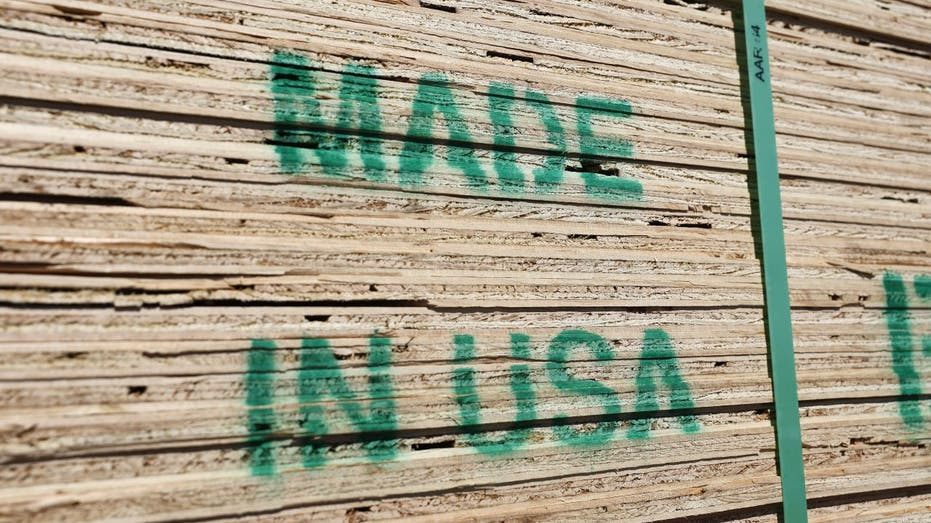
Stacks of U.S. lumber are stamped ‘Made In USA’ and available for sale at Home Depot on March 3, 2025, in Pasadena, California.(Mario Tama/Getty Images / Getty Images)
Beyond federal contracts, the spirit of “America First means BUY AMERICAN!” also aims to influence consumer behavior and private sector procurement. While direct mandates are limited to government agencies, a strong presidential endorsement can shift public sentiment, potentially driving demand for American-made goods across various retail sectors. This ripple effect could provide tailwinds for domestic brands and retailers that prominently feature U.S.-sourced products.
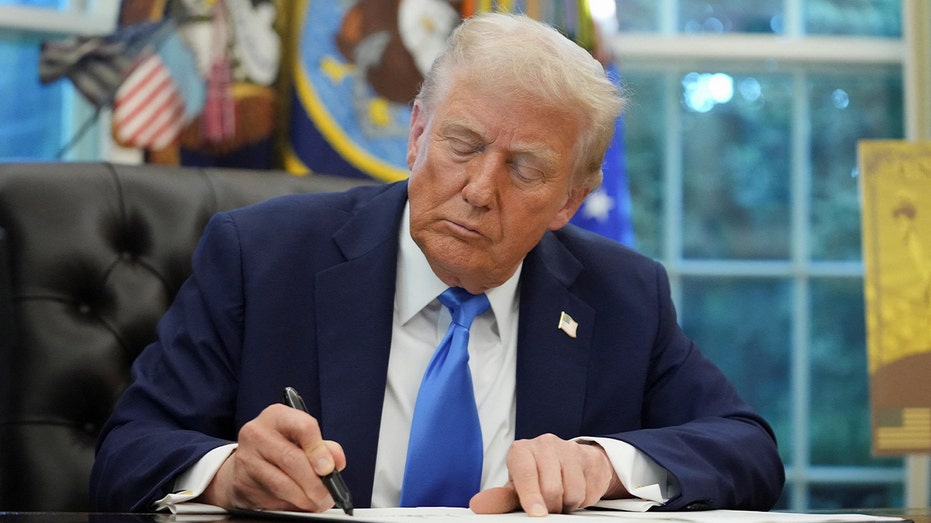
U.S. President Donald Trump signed an executive order in March to combat fraudulent “Made in America” labels by foreign manufacturers.(Ken Cedeno/Reuters / Reuters)
The emphasis on closing loopholes, particularly the “overuse of waivers,” highlights a pragmatic approach to policy implementation. Past “Buy American” rules have often been undermined by waivers granted due to lack of domestic availability, cost considerations, or specific performance requirements. A future administration determined to limit these exceptions would necessitate closer collaboration between federal agencies and domestic manufacturers to identify and develop American-made alternatives, potentially spurring innovation and investment in new production capabilities.
Ultimately, these policy directives underscore a strategic vision for economic nationalism. For financial markets, this translates into a potential re-allocation of capital towards domestic industrial assets, increased scrutiny on global supply chains, and a renewed focus on companies with strong U.S. manufacturing bases. While such policies can sometimes lead to higher production costs or trade tensions, the stated goal is to achieve greater economic independence, job growth, and resilience, factors that investors increasingly weigh in their long-term assessments of corporate value and national economic health.
Reuters contributed to this report.
Market Impact:
The renewed emphasis on “Buy American” policies, particularly if robustly enforced, is expected to create a discernible shift in market dynamics. Defense and infrastructure companies with established U.S. manufacturing will likely see increased government contract opportunities, potentially boosting their stock valuations. Manufacturers in sectors ranging from textiles to advanced electronics that can meet federal procurement standards could experience higher demand and investment. Conversely, companies heavily reliant on importing components or finished goods for their federal contracts may face operational headwinds, including the need to reconfigure supply chains, higher compliance costs, or even being edged out of bids. Overall, this policy direction favors domestic industrial growth, potentially stimulating job creation and capital expenditure within the U.S. while introducing a degree of uncertainty for firms deeply embedded in globalized supply chains. Investors should monitor company disclosures regarding their domestic content, supply chain resilience, and capacity to adapt to stricter “Buy American” requirements, as these will be key differentiators in a market increasingly shaped by national industrial policy.