
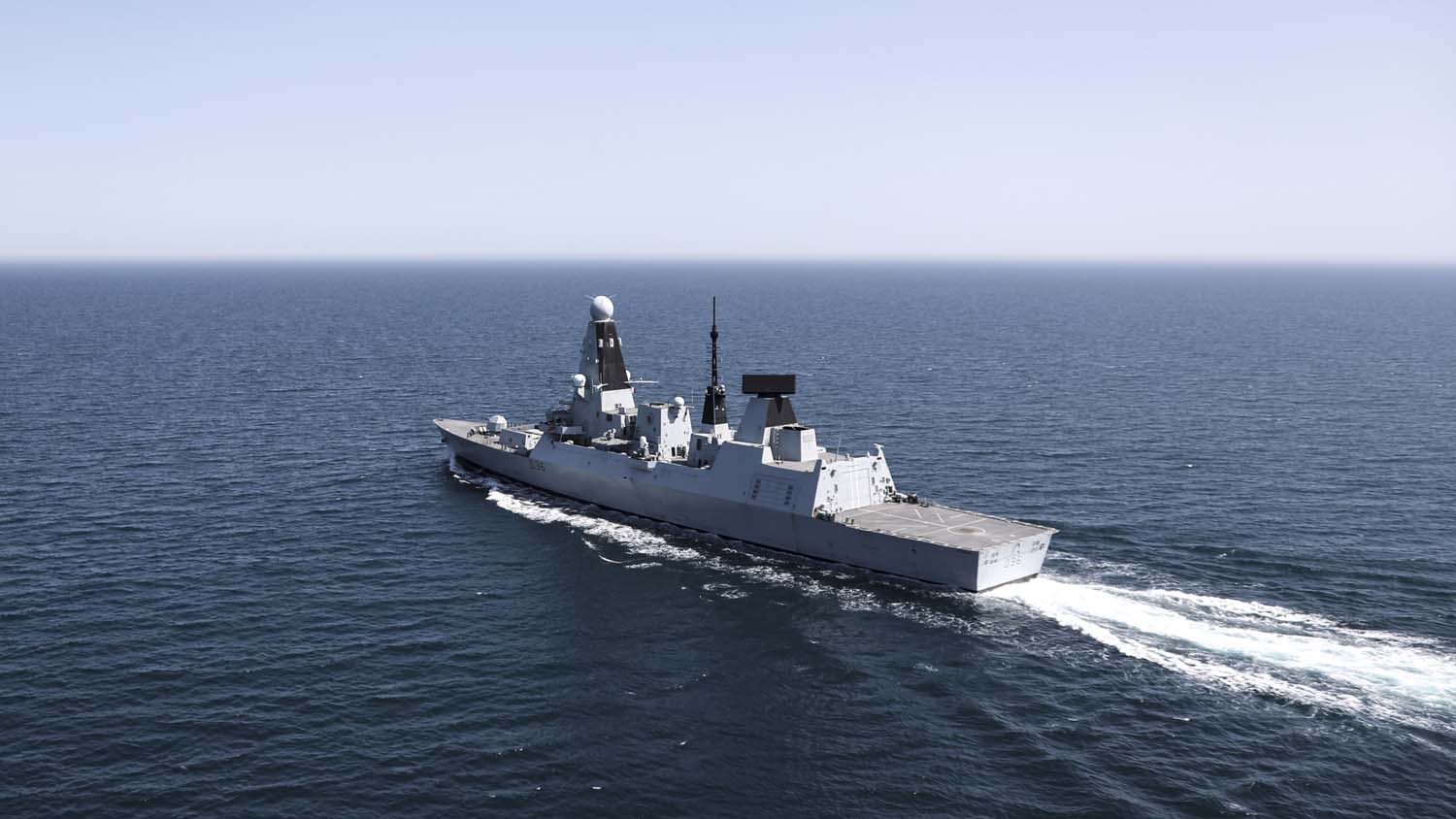
Tensions are escalating in the vital Strait of Hormuz following a strong condemnation from an Iranian official regarding a proposed multinational naval mission led by France and the United Kingdom. Ali Gharibabadi, an Iranian official, posted on the social media platform X on May 10, asserting that the deployment of “extra-regional destroyers” under the guise of protecting shipping constitutes an escalation and militarisation of the crucial waterway. His remarks, originally in Persian and translated by X’s automated system, outlined Tehran’s firm opposition to any foreign military presence in the strait.
Gharibabadi unequivocally stated that external powers have no legitimate role in the Strait of Hormuz. He argued that any such deployment represents “nothing but an escalation of the crisis, the militarisation of a vital waterway, and an attempt to cover up the true root of insecurity in the region.” This statement underscores Iran’s long-held position that security in the Gulf region is the sole responsibility of its littoral states, without outside interference.
He further elaborated on Iran’s perspective, asserting that “maritime security cannot be ensured through displays of military power; especially not by actors who, through their support, participation, or silence in the face of aggression and siege, are themselves part of the problems.” This comment appears to be a veiled criticism of Western nations, particularly the United States and its allies, implying their policies contribute to regional instability rather than resolving it.
The Iranian official went on to articulate Tehran’s stance on the fundamental causes of instability in the broader Middle East. He wrote, “The source of insecurity in the region lies in the illegal resort to force, the ongoing threats against coastal states, maritime sieges, and disregard for the United Nations Charter.” This narrative positions Iran as a defender against what it perceives as aggressive actions and violations of international law by other actors, contrasting sharply with Western views that often cite Iranian actions as a source of regional tension.
On the critical issue of sovereignty, Gharibabadi was unambiguous, emphasizing Iran’s rights over the strait. “The Strait of Hormuz is not the common property of extra-regional powers; it is a sensitive waterway adjacent to coastal states, and the exercise of sovereignty by the Islamic Republic of Iran over this strait and the determination of its legal arrangements is Iran’s right as a coastal state,” he declared. This assertion highlights Iran’s interpretation of international maritime law, particularly regarding strategic waterways that fall within the territorial waters of a coastal state, and its right to regulate passage, even as international law generally upholds the right of innocent passage through such straits.
Directly addressing recent French statements about the mission’s purpose, Gharibabadi reiterated that Tehran would reject any outside involvement, regardless of how it is characterized. French officials had indicated their deployed warship would be tasked with mine clearance and escorting vessels once calm is restored. In response, Gharibabadi stated, “We remind them that, whether in times of war or peace, only the Islamic Republic of Iran can establish security in this strait and will not allow any country to interfere in such matters.” This firm refusal to countenance any foreign role underscores Iran’s determination to maintain its perceived control over the strait.
The post concluded with a direct and stark warning to all nations considering participation in the proposed mission. “The presence of French and British warships, or those of any other country potentially accompanying the illegal and internationally unlawful actions of the United States in the Strait of Hormuz, will be met with a decisive and immediate response from the armed forces of the Islamic Republic of Iran. Therefore, they are strongly advised not to complicate the situation further,” Gharibabadi stated. This threat of military retaliation signals the high stakes involved and the potential for a dangerous confrontation should the Western mission proceed as planned.
These strong remarks from Tehran follow confirmation from the British government regarding the deployment of HMS Dragon, a Type 45 destroyer, to the Middle East. The warship is intended to pre-position ahead of a potential multinational mission aimed at protecting international shipping through the Strait of Hormuz. The mission, championed jointly by Prime Minister Sir Keir Starmer and French President Emmanuel Macron, has been characterized by the UK Ministry of Defence (MoD) as strictly defensive and independent. Crucially, the MoD specified that the mission is contingent on a cessation of fighting in the region before it commences, suggesting a desire to avoid exacerbating ongoing conflicts.
The Strait of Hormuz is recognized globally as one of the most strategically significant maritime chokepoints. Situated between Oman and Iran, it is the sole sea passage from the Persian Gulf to the open ocean, and through its narrow waters, approximately one-fifth of the world’s total petroleum consumption, and a substantial proportion of global liquefied natural gas (LNG) exports, transit daily. Its importance to global energy security cannot be overstated, making any increase in military presence or tensions a matter of international concern.
Why This Matters
The escalating rhetoric surrounding the Strait of Hormuz carries significant implications for global energy security, regional stability, and international law:
- Global Energy Security:The Strait of Hormuz is a critical artery for international energy markets. Any disruption, even minor, can trigger volatility in oil and gas prices, affecting economies worldwide. The threat of a “decisive and immediate response” from Iran raises the specter of direct military confrontation, which could severely impede shipping and lead to a global energy crisis.
- Regional Stability and Escalation Risk:The deployment of Western warships in close proximity to Iranian military assets, coupled with Tehran’s explicit warnings, creates a heightened risk of miscalculation or accidental escalation. The region is already fraught with geopolitical tensions, and an overt military standoff in such a sensitive waterway could quickly spiral into a broader conflict involving multiple regional and international actors.
- Sovereignty vs. Freedom of Navigation:The dispute highlights a fundamental clash between Iran’s assertion of absolute sovereignty over its territorial waters in the strait and the principle of freedom of navigation, which allows for innocent passage through international straits. How this tension is managed could set precedents for other strategic waterways globally and impact international maritime law.
- Geopolitical Dynamics:This situation underscores the ongoing friction between Iran and Western powers, particularly concerning security arrangements in the Gulf. The proposed mission by France and the UK, independent yet aligned with broader Western security interests, challenges Iran’s long-standing demand for regional solutions free from “extra-regional” interference. It also implicitly highlights the continued role of the United States, even if not directly leading this specific mission, in shaping regional security perceptions.
- Humanitarian and Economic Impact:Beyond energy, sustained instability in the Strait of Hormuz could disrupt global supply chains, increase insurance premiums for shipping, and deter investment in the region, ultimately impacting the livelihoods of millions and exacerbating existing humanitarian challenges in the broader Middle East.