
Emergency Medical Team Deploys to Remote Tristan da Cunha Following Suspected Hantavirus Case
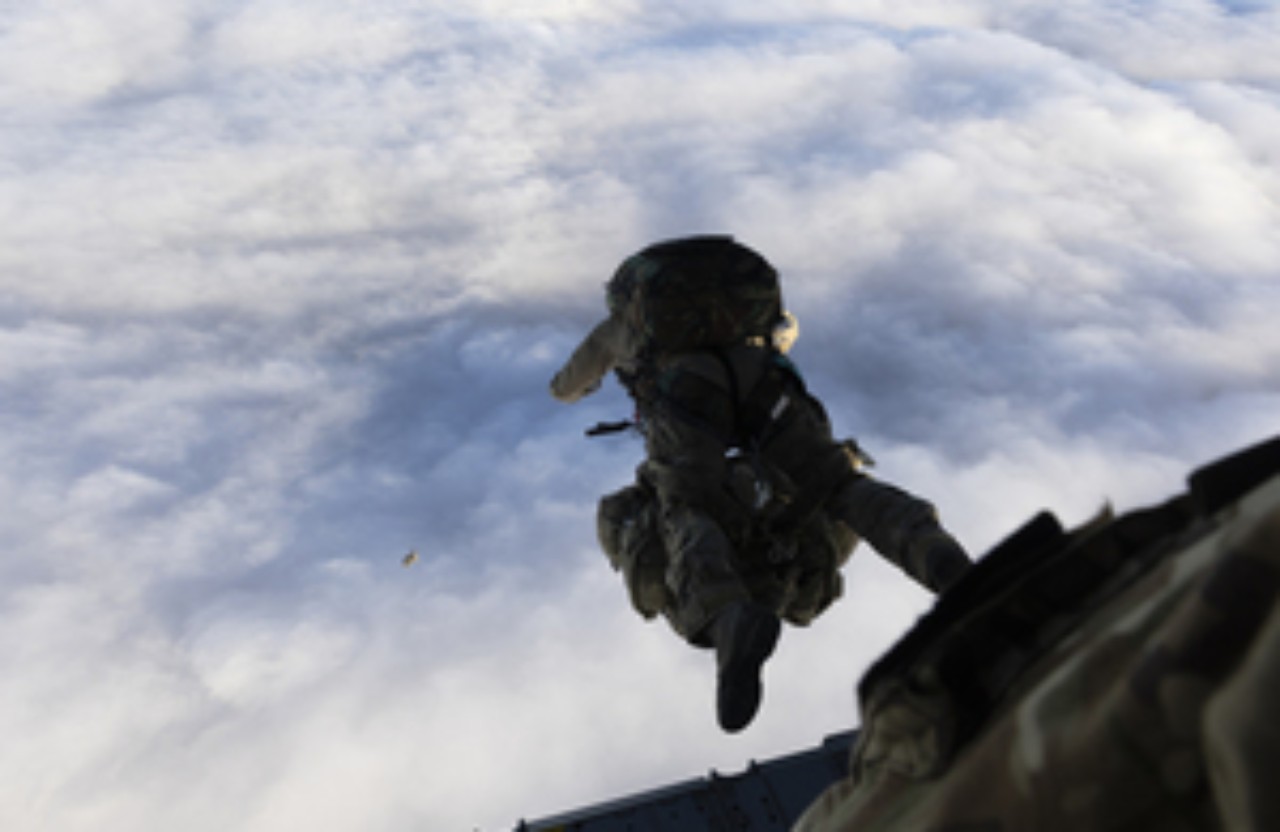
A specialized British military team has deployed to Tristan da Cunha, the world’s most remote inhabited island, to deliver urgent medical assistance following a suspected case of Hantavirus in a British national. The operation involved eight personnel, including six paratroopers and two military clinicians from the British Army’s 16 Air Assault Brigade, executing a parachute insertion onto the isolated South Atlantic territory.
Simultaneously with the personnel drop, critical medical supplies, including oxygen and diagnostic equipment, were airdropped from an RAF A400M transport aircraft. This mission marks a significant milestone, being the first instance of the United Kingdom military deploying medical personnel via parachute for a humanitarian support operation.
Tristan da Cunha, a British Overseas Territory with a population of approximately 221 residents, is renowned for its extreme isolation. Situated deep in the South Atlantic Ocean, the island lacks an airstrip, making sea travel its primary mode of access. This geographical constraint rendered traditional medical evacuation or supply delivery by aircraft impossible, necessitating the unconventional parachute and airdrop method as the sole viable solution for timely intervention. Reports indicated that the island’s existing oxygen supplies were critically low, further underscoring the urgency of the mission.
The intricate logistical operation commenced from RAF Brize Norton in the UK. The RAF A400M transport aircraft undertook an extensive journey, first flying approximately 6,788 kilometers to Ascension Island. From Ascension, the aircraft continued for an additional 3,000 kilometers across the open ocean to reach Tristan da Cunha. This challenging long-range flight was made possible by in-flight refueling conducted by an RAF Voyager tanker aircraft, demonstrating advanced aerial support capabilities.
Upon arrival at the destination, the mission faced severe environmental challenges. Weather conditions around Tristan da Cunha are notoriously volatile, with reports of average wind speeds frequently surpassing 25 miles per hour. Such conditions significantly increased the complexity and risk associated with precise parachute drops for both personnel and delicate medical equipment.
Foreign Secretary Yvette Cooper released a statement acknowledging the success of the operation and reiterating the government’s commitment to its citizens abroad. “I am deeply grateful to the personnel across the Armed Forces and the RAF who acted at pace to get urgent medical support to Tristan da Cunha,” Cooper stated. “This extraordinary operation reflects our unwavering commitment to the people of our Overseas Territories and to British nationals, wherever they are. The safety and well-being of all members of the British family is our number one priority.” She added that the government would “continue to work closely with international authorities and the Tristan da Cunha administration, keeping those affected informed and ensuring the right support is in place in the UK and across the Overseas Territories.”
Minister for the Armed Forces Al Carns commended the military personnel involved. “This was an extraordinary operation in incredibly challenging circumstances to get vital help to our citizens on Tristan da Cunha,” Carns remarked. “I want to pay a huge tribute to our brave personnel for carrying out their task with the utmost professionalism and composure under pressure. This is a real cross-government effort showing our determination to support our overseas territories and British nationals affected by the Hantavirus outbreak.”
Brigadier Ed Cartwright, Officer Commanding 16 Air Assault Brigade, highlighted the versatility of parachute operations. “This was a joint effort with the Royal Air Force and highlights the speed, reach and utility of parachuting,” Brigadier Cartwright said. “The arrival of paratroopers, medical personnel and medical supplies from the sky has hopefully reassured the people of Tristan da Cunha.”
This specific deployment to Tristan da Cunha is part of a wider governmental response to a suspected Hantavirus outbreak associated with the MV Hondius cruise ship. In parallel with the island operation, British nationals who were aboard the vessel are undergoing repatriation to the UK via a specially chartered flight. As a precautionary measure, all British passengers and crew returning from the cruise are subject to a mandatory 45-day isolation period upon their arrival in the UK. At the time of the repatriation announcement, no individuals aboard the chartered flight had reported symptoms of the virus.
The UK Health Security Agency (UKHSA), which officially confirmed the suspected Hantavirus case on Tristan da Cunha on May 9th, is actively engaged in monitoring all individuals potentially exposed. Furthermore, comprehensive follow-up protocols are being implemented for individuals who may have been in contact with confirmed cases and have since returned to the UK or are located in other British Overseas Territories, ensuring a broad public health response.
In a coordinated effort preceding the Tristan da Cunha mission, the Ministry of Defence (MoD) collaborated with the UKHSA to deliver vital diagnostic supplies, including PCR tests, to Ascension Island via military aircraft on May 7th. This pre-positioning of resources underscores the proactive approach taken by authorities to manage the potential spread of the virus. Despite these comprehensive measures, the government has maintained that the overall risk of Hantavirus to the general public in the UK remains very low.
Hantavirus is a zoonotic pathogen, meaning it is primarily transmitted from animals to humans. The most common route of infection is through direct contact with infected rodents, particularly their urine, feces, or saliva, or by inhaling aerosolized particles from contaminated environments. The disease can manifest in various ways, but severe cases can progress to Hantavirus Pulmonary Syndrome (HPS), a life-threatening respiratory illness characterized by fluid accumulation in the lungs. While Hantavirus infections are relatively rare globally, HPS carries a significant mortality rate, making prompt diagnosis and early medical intervention crucial for patient survival and recovery.
Why This Matters
The emergency deployment to Tristan da Cunha transcends a single medical incident, offering crucial insights into several interconnected domains, from national responsibility to global health security and military capability.
Upholding National Responsibility and Humanitarian Principles:This operation emphatically underscores the United Kingdom’s unwavering commitment to its Overseas Territories and its nationals, irrespective of their geographical isolation. Tristan da Cunha, by its very nature, presents immense logistical challenges for routine support, let alone emergency response. The decision to launch such a complex and costly mission highlights a fundamental principle of sovereignty and care: that no British citizen, no matter how remote, will be left without support in a crisis. It reinforces the ethical imperative of governments to protect the well-being of their populations, fostering trust and demonstrating the breadth of national care.
Showcasing Advanced Military Capability and Inter-Service Cooperation:The mission serves as a potent demonstration of the UK Armed Forces’ advanced capabilities, particularly in rapid deployment and humanitarian assistance under extreme conditions. The successful parachute insertion of medical personnel and supplies, supported by long-range air transport and in-flight refueling, showcases a highly specialized and coordinated operational readiness. It highlights the seamless integration between the British Army’s 16 Air Assault Brigade and the Royal Air Force, illustrating their capacity to project power and deliver critical aid to virtually any corner of the globe. This level of preparedness is vital not only for military objectives but also for responding to unforeseen civil and humanitarian crises worldwide, potentially setting a precedent for similar remote emergency interventions by other nations.
Reinforcing Global Health Security Frameworks:The Hantavirus outbreak, originating from a cruise ship and extending to a remote island, underscores the interconnectedness of global health. Even isolated communities are susceptible to infectious diseases, and the rapid, coordinated response involving the UK Health Security Agency, the Ministry of Defence, and the Foreign Office demonstrates the vital importance of robust national and international health security frameworks. The proactive measures, including extensive monitoring, isolation protocols, and the deployment of diagnostic capabilities, are critical in preventing wider outbreaks and protecting public health in a world where pathogens can travel quickly across borders and oceans.
Maintaining Geopolitical Influence and Territorial Integrity:While primarily a humanitarian mission, the operation also subtly reinforces the UK’s sovereign responsibility and presence across its scattered Overseas Territories. Ensuring the welfare of these territories’ populations is a cornerstone of maintaining their status and demonstrating effective governance. In an era where global influence is often measured by a nation’s ability to act decisively, such missions project a powerful message about the UK’s global reach and its dedication to its extended family of nations, contributing to its soft power and diplomatic standing.
Innovation in Disaster Response:The unique challenges posed by Tristan da Cunha’s lack of an airstrip necessitated an innovative solution. The use of parachute insertion for medical personnel in a humanitarian context is rare and represents a significant advancement in remote emergency response techniques. This methodology could be studied and adapted for future crises in other similarly inaccessible regions globally, offering a template for how to overcome severe logistical hurdles when conventional methods are unfeasible. It highlights the continuous evolution of emergency services and military support in adapting to unprecedented situations.