
United Refining Company Chairman and CEO John Catsimatidis joins ‘Mornings with Maria’ to discuss NYC Mayor Zohran Mamdani’s meeting with the JPMorgan Chase and Goldman Sachs CEOs, the announcement of a second city-run grocery store and more.
### Key Takeaways
1. **Pragmatic Outreach Amidst Ideological Divide:** New York City Mayor Zohran Mamdani, a self-described democratic socialist, is engaging directly with Wall Street’s top executives, signaling a potential pragmatic pivot to bridge ideological gaps despite earlier proposals for higher taxes on the wealthy.
2. **NYC’s Fiscal Health Hinges on Financial Sector:** These meetings underscore the critical economic dependency of New York City on its robust financial services sector, which is a major contributor to its tax base, employment figures, and overall economic competitiveness.
3. **Balancing Social Equity with Economic Competitiveness:** The discussions highlight the delicate balance municipal leaders must strike between addressing pressing social affordability concerns and fostering a business environment that retains capital, talent, and corporate headquarters.
***
New York City Mayor Zohran Mamdani met Monday with JPMorgan Chase CEO Jamie Dimon at the bank’s new headquarters in Manhattan, a significant overture as the self-described democratic socialist intensifies outreach to Wall Street leaders. This move comes following considerable backlash over earlier proposals to raise taxes on wealthy New Yorkers, signaling a strategic shift towards engagement with the city’s powerful financial engine.
The Mayor’s visit to JPMorgan’s new global headquarters at 270 Park Avenue marked his first in-person meeting with Dimon, according to parallel statements from City Hall and the financial institution. The tone of the meeting was described as “constructive and friendly” by a JPMorgan spokesperson, a crucial indicator given the previous ideological friction.
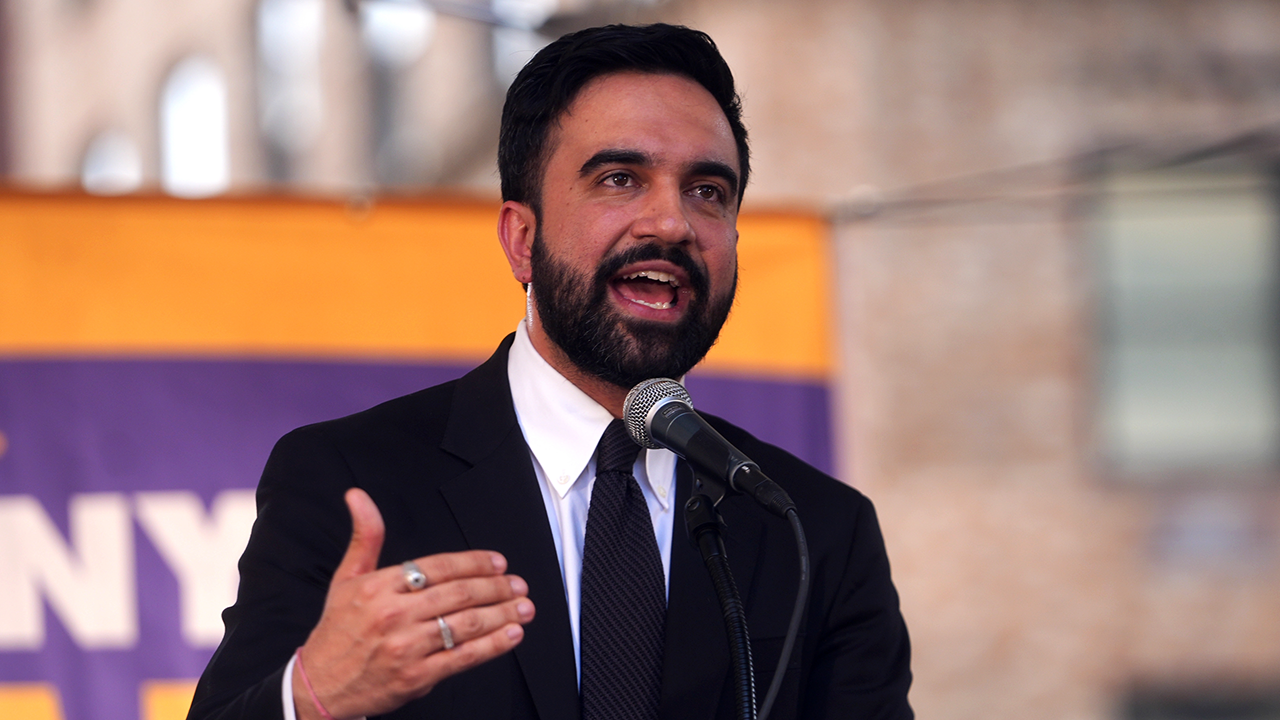
New York City Mayor Zohran Mamdani delivering remarks at a rally in NYC.(Selcuk Acar/Anadolu)
Discussions between Mayor Mamdani and Dimon spanned critical issues for the city’s long-term economic vitality. City Hall reported that topics included reducing government waste, streamlining bureaucratic processes tied to development projects, and exploring opportunities for expanding public-private partnerships. From JPMorgan’s perspective, the conversation also heavily focused on enhancing New York City’s overall economic competitiveness – a recurring theme for industry leaders concerned about capital flight and talent migration.
**MAYOR ZOHRAN MAMDANI SAYS FIRST OF NYC’S FIVE GOVERNMENT-RUN GROCERY STORES WILL OPEN IN THE BRONX NEXT YEAR**
This outreach represents a notable shift in strategy, particularly after Mamdani faced pointed criticism from prominent billionaire investors and business leaders. His earlier proposals, aimed at increasing the tax burden on affluent residents as a cornerstone of a broader affordability agenda (including rent freezes and efforts to reduce childcare and grocery costs), had ignited fears within the financial community about the city’s investment climate.
**WHITE HOUSE LAYS OUT FIXES FOR HOUSING AFFORDABILITY PROBLEM**
Citadel founder Ken Griffin, a high-profile financier, was among those who publicly criticized the mayor’s campaign proposals, drawing attention to the potential for significant capital and business relocation. Jamie Dimon himself has historically been a vocal proponent of maintaining New York’s competitive edge, cautioning policymakers about the perils of high taxes and excessive regulation. In past interviews, the JPMorgan CEO has explicitly warned that companies and their high-earning employees could continue migrating to lower-tax states if New York City fails to cultivate an attractive business environment, directly impacting the city’s tax base and economic dynamism.
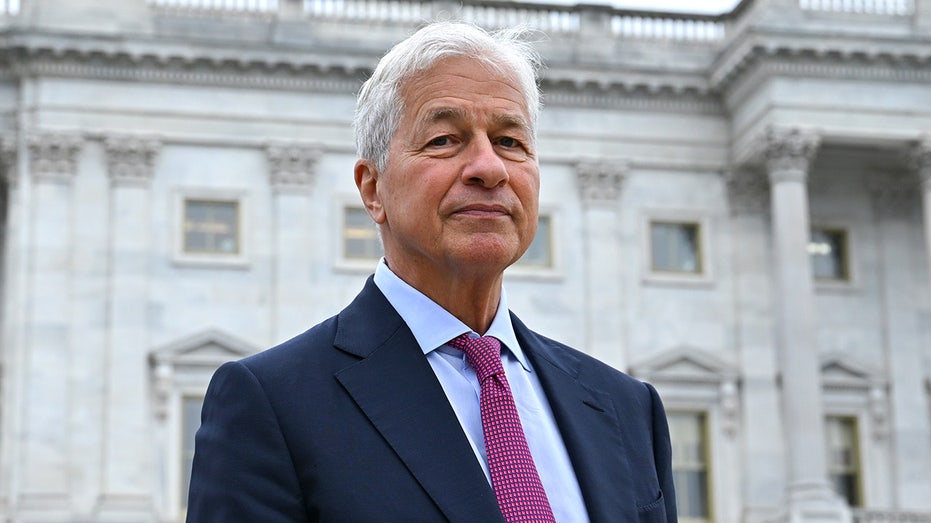
Mamdani visited JPMorgan’s new global headquarters at 270 Park Avenue for his first in-person meeting with Dimon.(Graeme Sloan/Bloomberg via Getty Images)
The JPMorgan meeting appears to be a cornerstone of a broader, concerted effort by Mayor Mamdani to cultivate working relationships with key financial industry leaders, despite inherent tensions over tax and economic policy. Later on Monday, Mamdani also engaged with Goldman Sachs CEO David Solomon at Gracie Mansion. Their discussions reportedly covered vital issues such as affordable housing initiatives, strategies for small-business investment, and policies designed to retain top-tier talent within New York City – all areas where financial institutions have both a vested interest and considerable influence.
| Ticker | Security | Last | Change | Change % |
|---|---|---|---|---|
| JPM | JPMORGAN CHASE & CO. | 300.73 | +2.92 | +0.98% |
| GS | THE GOLDMAN SACHS GROUP INC. | 946.36 | -2.11 | -0.22% |
In recent weeks, the Mayor’s schedule has also included high-level meetings with Bank of America CEO Brian Moynihan and Blackstone President Jonathan Gray, demonstrating a comprehensive approach to engaging the city’s most powerful economic stakeholders. This multi-front engagement suggests a recognition of the significant economic contributions of these firms.
JPMorgan remains one of New York City’s largest private employers, last year reporting an estimated annual contribution of roughly $42 billion to the city’s economy. The bank’s imposing new headquarters tower at 270 Park Avenue is designed to house approximately 10,000 employees, solidifying its immense footprint on the city’s commercial real estate market and local economy.
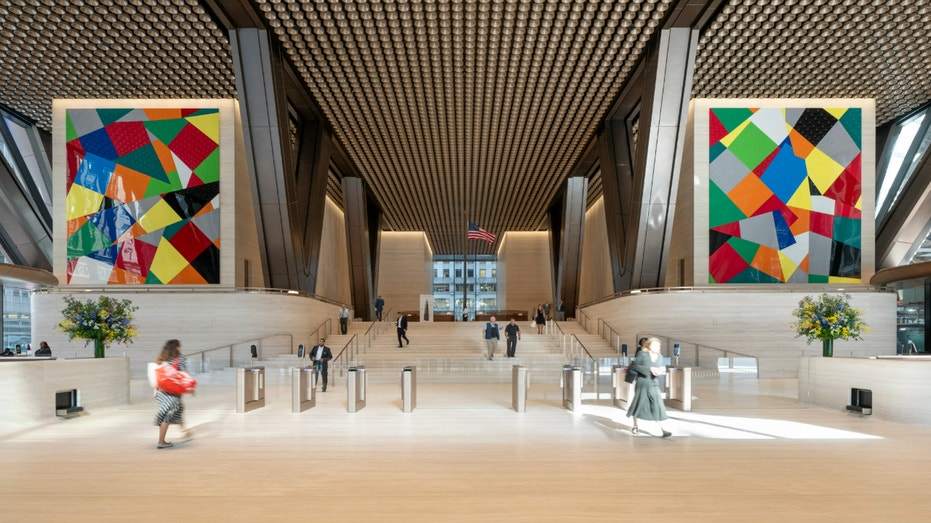
A lobby view of JPMorgan Chase’s new global headquarters at 270 Park Ave. in New York City.(JPMorgan Chase)
During the meeting, Dimon reportedly presented Mayor Mamdani with a copy of “Our Towns,” a book exploring efforts to revitalize communities across America, perhaps a symbolic gesture towards finding common ground on urban development and economic prosperity. While the Mayor continues to advance initiatives like city-run grocery stores as part of his social agenda, these direct engagements with Wall Street leaders indicate a more nuanced strategy, acknowledging the inextricable link between the city’s financial health and its ability to fund its social programs.
**CLICK HERE TO GET FOX BUSINESS ON THE GO**
FOX Business reached out to JPMorgan Chase and Mayor Mamdani’s office for additional comment, seeking further insight into the long-term implications of this critical dialogue.
### Market Impact
These high-profile meetings between Mayor Mamdani and Wall Street’s elite carry significant implications for various market segments. For **New York City’s municipal bond market**, the tenor of these discussions can directly influence investor sentiment regarding the city’s fiscal stability and future credit ratings. A perception of improved collaboration and a more business-friendly environment could lead to tighter spreads and lower borrowing costs for the city, while renewed tensions could have the opposite effect. The **commercial and residential real estate markets** in NYC are also highly sensitive to the financial sector’s outlook; sustained confidence among major employers like JPMorgan and Goldman Sachs helps anchor demand for office space and supports high-income employment, indirectly bolstering residential property values. While the stock performance of global giants like JPM and GS is driven by macro factors, a stable and predictable operating environment in their headquarters city reduces localized risks and operational uncertainties. More broadly, the dialogue signals a potential shift in the **investment climate** for urban centers struggling with progressive policy agendas versus economic competitiveness, offering a potential blueprint for other cities grappling with similar challenges.