
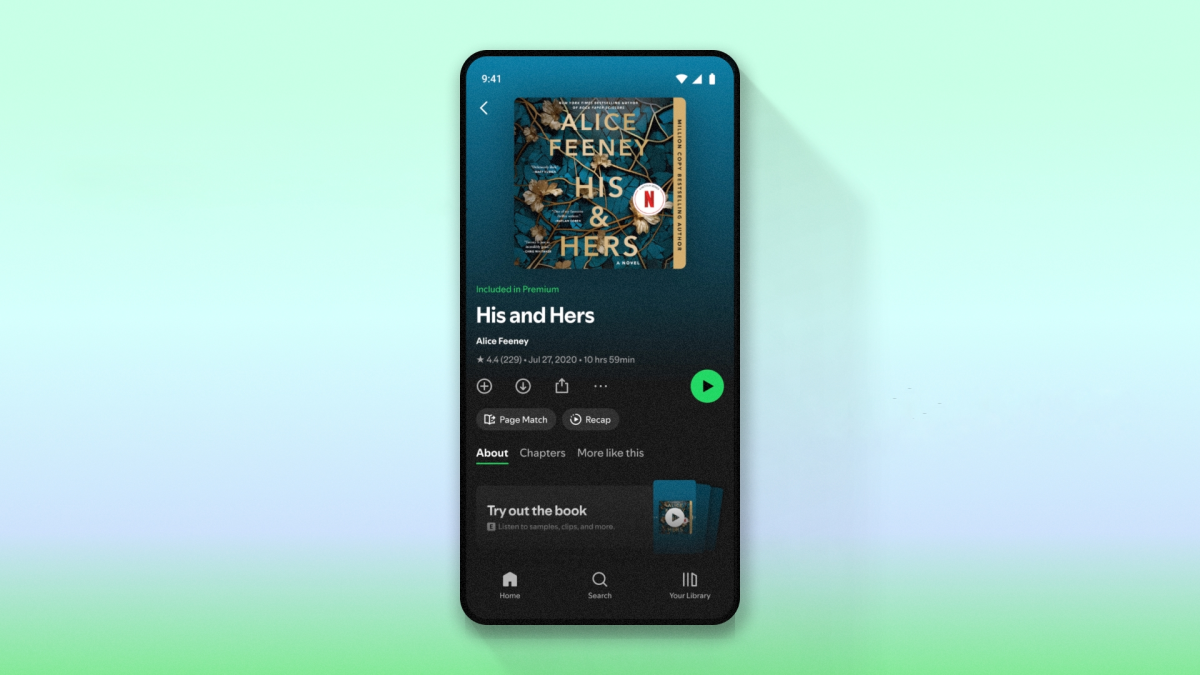
Spotify is launching an ElevenLabs-powered AI tool for authors to self-publish audiobooks, alongside a significant expansion of its audiobook ecosystem, including new languages, enhanced subscription plans, and AI-driven discovery features. This strategic push aims to cement Spotify’s dominance in the burgeoning audiobook market.
Key Takeaways
- AI-Powered Audiobook Creation:Spotify is introducing an ElevenLabs-powered AI tool for authors to self-publish audiobooks, starting in beta. This non-exclusive model offers a new, accessible avenue for content creation and distribution, democratizing audiobook production.
- Broad Ecosystem Expansion:Beyond AI narration, Spotify is significantly expanding its “Spotify for Authors” platform with support for 10 new languages, enhancing Audiobook+ plans with higher listening limits and new options, and rolling out advanced AI-driven discovery features like natural language search and prompt-based playlists.
- Strategic Market Push:These initiatives underscore Spotify’s aggressive, multi-faceted strategy to dominate the audiobook market, evidenced by a 60% year-on-year growth in listening hours and over a million Audiobook+ subscriptions, positioning it as a formidable challenger to established players.
Spotify Unleashes AI for Audiobook Creation, Bolstering Global Audio Ambitions
Spotify is once again pushing the boundaries of audio content, this time by democratizing audiobook creation through the transformative power of artificial intelligence. In a significant announcement made at its recent Investor Day event, the audio streaming giant unveiled an ElevenLabs-powered AI tool designed to allow authors to self-publish audiobooks directly within the ‘Spotify for Authors’ platform. This groundbreaking move, set to launch in an invite-only beta this June and initially supporting English, marks a pivotal moment in the evolution of content creation and Spotify’s aggressive expansion into the burgeoning audiobook market. It’s not just about AI narration; it’s part of a broader, strategic overhaul aimed at enhancing both author capabilities and listener experiences across its rapidly growing audiobook ecosystem.
Deep Dive: The AI Audiobook Generation Tool
At the heart of Spotify’s latest innovation lies its collaboration with ElevenLabs, a leading voice AI startup renowned for its highly expressive and human-like synthetic voices. This new tool empowers authors to transform their written manuscripts into fully narrated audiobooks with remarkable efficiency and potentially lower costs than traditional human narration. A critical feature distinguishing this offering is its non-exclusive nature; authors utilizing the AI-powered generation tool are free to publish their generated audiobooks on any platform they choose, breaking down traditional barriers to distribution and offering creators unprecedented flexibility.
The initial rollout will be a carefully managed beta program, invite-only, and will focus exclusively on English-language content. This phased approach suggests Spotify’s commitment to refining the technology and user experience before a wider release, addressing potential concerns about quality and nuances in AI-generated speech. For authors, particularly independent ones, this represents a monumental leap. It offers a gateway to the audiobook market that might have previously been inaccessible due to the prohibitive costs and lengthy timelines associated with professional voice actors. The ability to quickly and affordably produce an audiobook could revolutionize how written content reaches a wider, audio-first audience, potentially fostering an explosion of new titles and genres.
Context and Evolution: Spotify’s AI Journey in Audiobooks
This isn’t Spotify’s first foray into leveraging AI for audiobooks, nor its initial engagement with ElevenLabs. The company previously partnered with the voice AI startup, allowing writers to submit audiobooks already created using ElevenLabs’ advanced voice synthesis platform directly to Spotify. Furthermore, Spotify has had an existing partnership with Google Play Books for digitally narrated content. However, the continuous evolution of voice AI technology, particularly the advancements made by ElevenLabs in creating more expressive and nuanced vocal models, likely spurred Spotify to integrate this capability directly into its author platform.
The goal appears to be to offer authors access to the latest, most sophisticated AI voices available, ensuring a higher quality listening experience that more closely mimics human narration. This strategic decision also comes as ElevenLabs itself has recently released its own self-publishing platform for authors, a move that underscores the growing market for AI-narrated content and positions them as both a partner and potential competitor. This trend signals a broader industry shift towards AI-driven content creation and highlights Spotify’s proactive stance in what is becoming an increasingly competitive landscape for audio content.
Expanding the “Spotify for Authors” Horizon Globally
Beyond the innovative AI narration tool, Spotify is also significantly broadening the reach of its ‘Spotify for Authors’ platform by expanding support to 10 additional languages. These include French, Canadian French, German, Dutch, Latin American Spanish, Swedish, Finnish, Icelandic, Danish, and Norwegian. This multilingual expansion is a clear indicator of Spotify’s global ambitions for audiobooks, aiming to serve a more diverse international author and listener base.
By offering tools and distribution in these key markets, Spotify empowers authors worldwide to reach their local audiences and contributes to the platform’s growing catalog of non-English titles. This move not only enhances accessibility for creators but also enriches the content library for millions of non-English speaking listeners, solidifying Spotify’s position as a truly global audio hub and deepening its cultural relevance across various regions.
Enhancing the Listener Experience: Audiobook+ & Advanced Discovery
The commitment to audiobooks extends to enriching the listener experience, too. This year, Spotify plans to expand its Audiobook+ plans, promising higher listening limits and introducing new subscription options specifically tailored for students and families. While specific pricing and usage details for these enhanced plans are yet to be announced, the intent is clear: to offer more flexible and attractive subscription tiers to a wider demographic. The current success of Audiobook+ is already impressive, with Spotify having clocked in over a million subscriptions and on track to generate a substantial $100 million in annualized recurring revenue for the platform, demonstrating a strong market fit and demand.
Further improving user engagement, Spotify is introducing advanced discovery features. A new capability will allow users to ask questions using natural language for audiobook discovery, much like conversing with an intelligent assistant. For example, a user could ask, “Find me a thrilling mystery set in Victorian London,” and Spotify’s AI would intelligently suggest relevant titles. Building on this, the company will also expand its popular prompt-based playlist creation feature, currently available for podcasts and music, to include audiobooks this summer. This will enable listeners to generate curated audiobook lists based on themes, moods, or specific criteria, making content discovery more intuitive, personalized, and engaging than ever before.
Spotify’s Grand Audiobook Ambition: A Strategic Overview
Spotify’s recent announcements are not isolated initiatives but rather the latest accelerations in a multi-year, aggressive strategic pivot towards audiobooks. Over the past few years, the company has relentlessly increased its focus on this segment, steadily building its catalog to an impressive 700,000 titles. This expansion has been comprehensive, involving bringing the audiobook program to international markets, making substantial investments in non-English titles to cater to a global audience, enabling convenient in-app purchases to streamline the user journey, and introducing dedicated audiobook charts to highlight popular content and foster discovery.
Furthermore, in a bold move demonstrating a holistic approach to serving the literary community, Spotify even ventured into physical book sales in the U.S. and the U.K. this year. These concerted efforts are yielding significant returns. Spotify proudly claims a 60% year-on-year increase in audiobook listening hours, a testament to its successful strategy. Moreover, the company notes that more than half of its current audiobook listeners have joined the platform within the last year, indicating rapid user acquisition and a strong appeal to new audiences. This sustained momentum and strategic investment position Spotify not merely as a platform thathostsaudiobooks, but as a serious contender actively reshaping the audiobook publishing and consumption landscape, directly challenging established players like Audible and Apple Books.
Industry Implications and Future Outlook
The introduction of AI-powered audiobook generation carries significant implications for the wider publishing industry. For authors, especially those operating independently, it represents an unprecedented opportunity to bypass the traditional hurdles of cost and time associated with professional narration. This could lead to a democratization of audiobook publishing, allowing a wider array of voices and stories to find an audio format. However, it also raises questions about quality control, the authenticity of the listening experience, and potential impacts on human voice actors. While AI voices are becoming increasingly sophisticated, they still often lack the nuanced emotional depth and unique artistic interpretation that a human narrator brings. Spotify will need to carefully balance the accessibility offered by AI with the expectations of listeners for high-quality, engaging narration.
Looking ahead, this move solidifies Spotify’s vision of becoming the ultimate destination forallaudio, extending far beyond music and podcasts. By integrating AI into the creation pipeline and simultaneously enhancing discovery and accessibility across multiple languages and subscription tiers, Spotify is building an ecosystem designed to be sticky for both creators and consumers. The future of audio content on Spotify appears to be one where innovation in creation tools goes hand-in-hand with sophisticated distribution and personalized consumption, ultimately aiming for a larger slice of the multi-billion dollar audiobook market and potentially setting new industry standards for content creation and engagement.
The Bottom Line
Spotify’s latest announcements signal a clear and aggressive strategy: to become the unrivaled hub for audiobooks, leveraging cutting-edge AI to empower authors while simultaneously enriching the listener experience. By democratizing creation, expanding global reach, and refining discovery, Spotify is not just competing; it’s actively seeking to redefine the audiobook landscape, cementing its position as a pervasive force across the entire audio spectrum and laying the groundwork for a future where audio content is more accessible and personalized than ever before.
When you purchase through links in our articles, we may earn a small commission. This doesn’t affect our editorial independence.