
**Key Takeaways:**
1. **Amazon’s Marketplace Scrutiny:** This recall underscores the persistent challenges and liabilities Amazon (AMZN) faces in managing product safety across its vast third-party seller ecosystem, potentially impacting brand trust and necessitating increased compliance costs.
2. **Escalating Recall Costs & Supply Chain Risk:** For manufacturers like Giantex, even a relatively small recall (1,155 units) carries significant financial burdens from refunds, logistics, and reputational damage, highlighting broader vulnerabilities in global supply chains that affect investor confidence.
3. **Regulatory Pressure on E-commerce:** The CPSC’s proactive stance signals intensifying regulatory scrutiny on online retailers to enforce rigorous safety standards, suggesting a future landscape of higher compliance expenditures and increased legal exposure for platforms and sellers alike.
Novo Nordisk CEO Mike Doustdar details the company’s Amazon partnership, benefits of Ozempic beyond weight loss and more on ‘The Claman Countdown.’
**Product Recall Highlights E-commerce Supply Chain Vulnerabilities Amid Amazon’s Strategic Expansion**
In a recent development that casts a spotlight on the inherent complexities and risks within the global e-commerce supply chain, a lounge chair sold on Amazon.com is being recalled due to a severe “amputation risk.” The recall, initiated after a customer sustained a finger amputation while adjusting the chair, serves as a stark reminder of the operational challenges that even industry giants like Amazon face in ensuring product safety across their sprawling marketplaces.
While Amazon (NASDAQ: AMZN) continues to forge high-profile strategic partnerships, such as the one discussed by Novo Nordisk CEO Mike Doustdar regarding Ozempic and healthcare initiatives, the seemingly mundane issue of product recalls remains a critical area of operational and reputational risk. The immediate financial implications for the manufacturer, Giantex, are direct, but the broader market context reveals how such incidents can ripple through investor sentiment, regulatory frameworks, and consumer trust in the digital retail ecosystem.
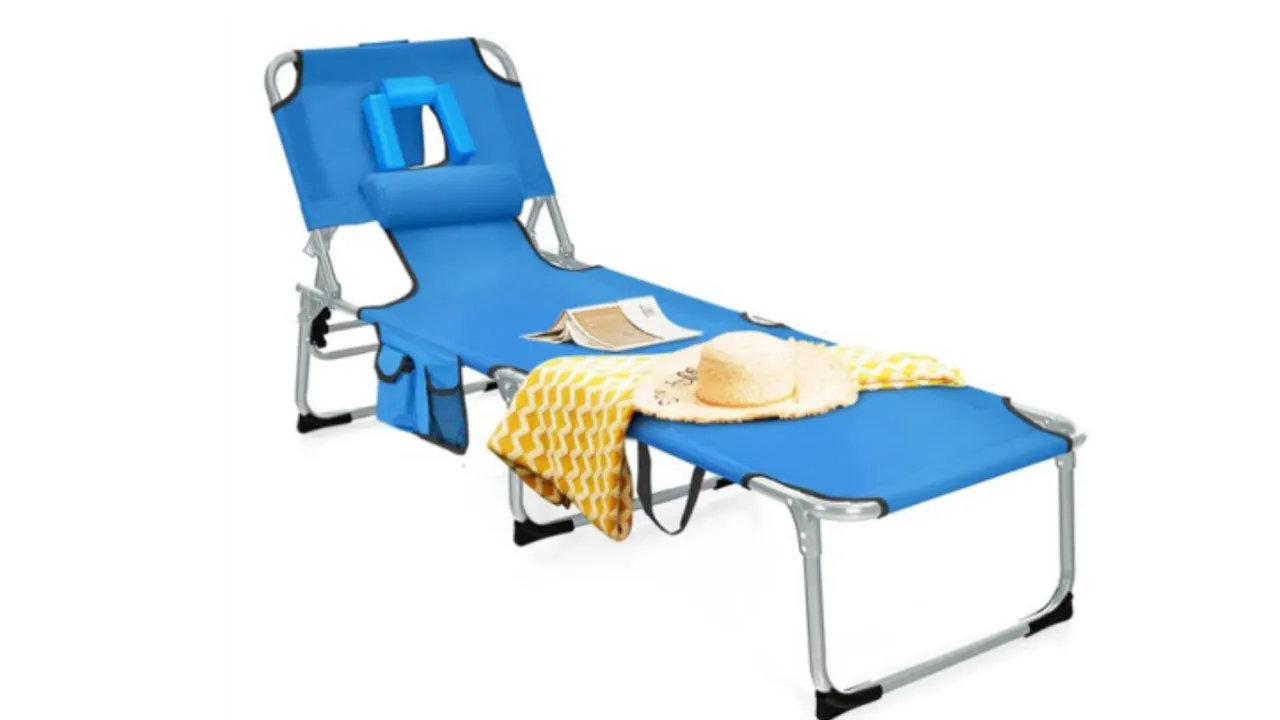
The U.S. Consumer Product Safety Commission (CPSC) issued a notice regarding the Giantex lounge chair, citing a dangerous “pinch point” in its five-position adjustable locking system. Around 1,155 units of the blue, 76-inch long chair, identifiable by model number NP10025NY on its packaging, are subject to this recall. These chairs were sold on Amazon.com and Giantex.com between August 2023 and October 2025, priced between $75 and $90.
The Recalled Giantex Lounge chair is being recalled after reports of a customer who had a finger amputated while adjusting it. (Fox News)
**Amazon’s Marketplace Model: Risk and Reward**
Amazon’s third-party marketplace model is a cornerstone of its business strategy, enabling a vast selection of products and driving significant revenue. However, it simultaneously introduces a complex web of quality control and liability challenges. While Amazon often positions itself as a facilitator rather than a direct seller for many items, its prominent branding on the sales platform invariably links it to product safety incidents in the public eye.
Each product recall, regardless of the direct manufacturer, can chip away at Amazon’s meticulously cultivated brand equity. Investors and analysts frequently monitor such events for indicators of operational oversight, potential legal liabilities, and the effectiveness of Amazon’s seller vetting processes. A pattern of significant recalls could trigger a re-evaluation of its risk profile, potentially influencing share price stability or necessitating increased investment in compliance infrastructure, which impacts profitability. The cost of enhanced oversight, including advanced AI-driven product screening and more rigorous seller auditing, could be substantial, cutting into the margins generated by its high-volume, low-cost marketplace model.
**The Financial Burden on Manufacturers and Supply Chain Fragility**
For Giantex, the Chinese manufacturer of the recalled lounge chair, the financial ramifications are immediate and tangible. Beyond the cost of managing the recall process—which includes processing refunds, potentially covering return shipping, and verifying product destruction through photographic proof—there are significant intangible costs. The estimated direct cost of refunds for 1,155 units, assuming an average price of $80, could exceed $92,000, not including administrative overhead, communication, and potential legal fees. This figure, while perhaps modest for a large corporation, can be a considerable hit for a smaller, privately held company like Giantex, impacting its cash flow and future investment capacity.
More importantly, the reputational damage can be enduring. A recall for an “amputation risk” is severe and can severely hamper Giantex’s ability to sell through major online retailers in the future. Supply chain resilience is a growing concern for multinational corporations and investors alike. This incident highlights how a single defect from an upstream supplier can create significant downstream disruptions and financial penalties, forcing retailers to reassess their supplier diversification and quality assurance protocols.
The Amazon logo is displayed on the façade of Amazon Germany’s headquarters in Parkstadt Schwabing, Munich, Bavaria, on Jan. 27, 2026.(Matthias Balk/picture alliance via Getty Images / Getty Images)
**Regulatory Landscape and Consumer Protection**
The CPSC’s role in consumer safety is becoming increasingly vital in the age of globalized e-commerce. Its actions, such as this recall, underscore a growing regulatory imperative to protect consumers from unsafe products proliferating across online platforms. The commission’s emphasis on immediate cessation of use and the provision of clear refund instructions reflects a toughening stance. This trend suggests that online marketplaces will face increasing pressure to take more direct responsibility for the safety of products sold through their channels, rather than solely deferring to manufacturers.
This incident is not isolated. Recent high-profile recalls, such as Whole Foods’ minestrone soup over undeclared allergens or Costco’s patio swings due to detachment risks leading to injuries, illustrate a pervasive challenge across various retail sectors. Each recall, irrespective of the product, contributes to a collective narrative of supply chain vulnerabilities and the constant need for vigilance. For investors, this translates into a heightened awareness of operational risks that can impact the bottom line of retailers, food companies, and manufacturers alike.
This picture taken on July 4, 2022, shows the logo of Amazon, a major online shopping company.((Photo by KAZUHIRO NOGI/AFP via Getty Images) / Getty Images)
**Market Impact**
While a single recall of 1,155 units of lounge chairs is unlikely to materially impact Amazon’s colossal market capitalization directly, its cumulative effect on investor sentiment and regulatory outlook is significant. Investors in e-commerce platforms like Amazon, eBay (EBAY), and Etsy (ETSY) should monitor product safety incidents as leading indicators of potential future compliance costs, legal challenges, and brand erosion. Increased regulatory scrutiny could lead to higher operational expenses for product vetting and seller compliance programs, potentially compressing margins. Furthermore, a perceived lack of safety could gradually shift consumer purchasing habits, impacting market share. For third-party sellers and manufacturers, such recalls underscore the urgent need for robust quality control and comprehensive product liability insurance, as the financial and reputational stakes continue to rise in an interconnected global marketplace.
GET FOX BUSINESS ON THE GO BY CLICKING HERE
Consumers are advised to stop using the recalled lounge chairs immediately and contact Giantex for a full refund. The recall instructions involve either requesting a prepaid return package or destroying the chair by detaching the headrest pillow, cutting the fabric, and providing photographic proof of destruction, underscoring the severity and urgency of the safety risk.