
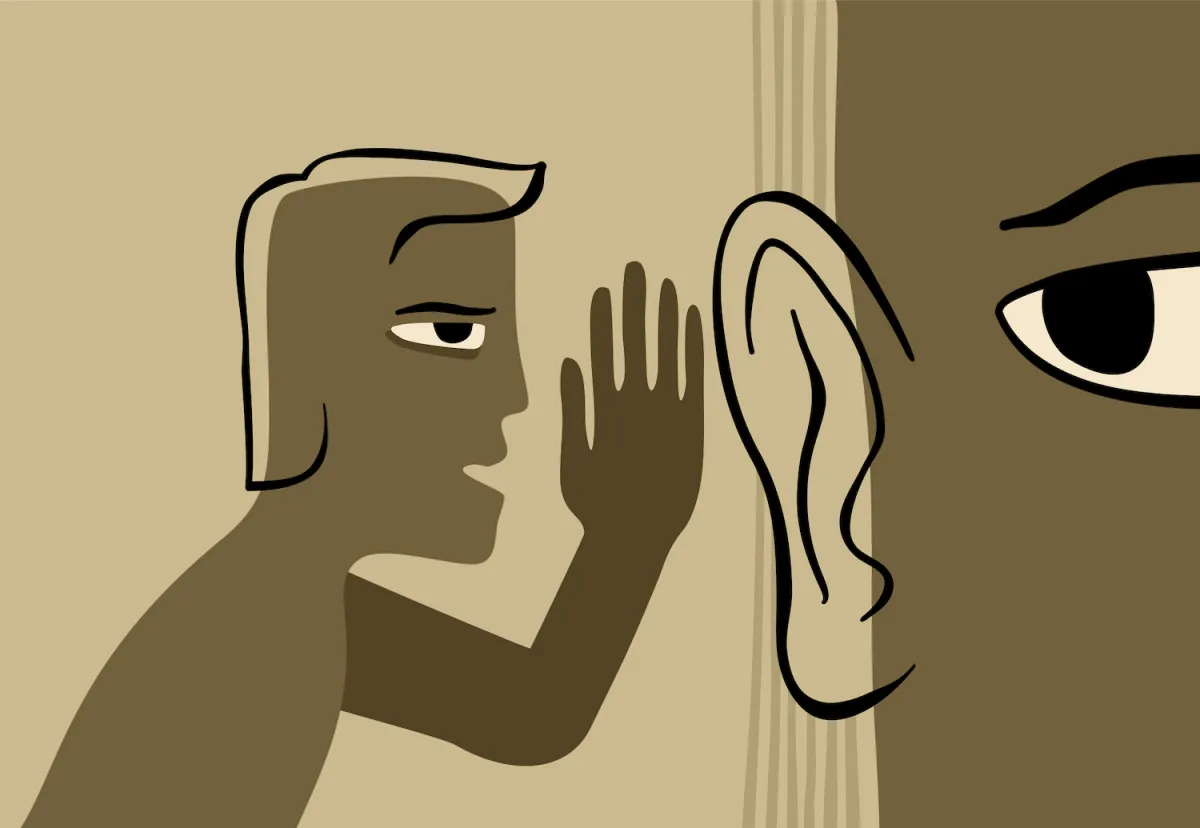
Asking venture capitalists for investment is a rite of passage for tech founders. This has led to another universal experience: the VC pitching horror story. A massive conversation sharing such stories has taken place all week on X, with the comments both funny and infuriating. We read through them all to find the most interesting ones so you don’t have to.
**Key Takeaways**
* **VC Conduct is Under Scrutiny:** A viral X thread has unearthed a widespread pattern of concerning VC behavior during pitches, from sleeping and ghosting to outright discrimination and unethical advice.
* **Power Dynamics Revealed:** The transparency of social media is empowering founders to openly critique a historically opaque fundraising process, highlighting the significant power imbalance between investors and startups.
* **Cost of Bad Behavior:** Anecdotes like a sexist pass on Cloudflare or VCs pulling term sheets underscore not only the emotional toll on founders but also the multi-billion dollar opportunities missed by short-sighted or biased investors.
***
## The Unfiltered Reality of Fundraising: When VC Pitches Go Wrong
The journey of a tech founder is often romanticized, a narrative of innovation, disruption, and rapid growth. Central to this tale is the crucial act of securing venture capital – a rite of passage that can define a startup’s trajectory. Yet, as a recent, explosive conversation on X (formerly Twitter) has starkly revealed, this path is frequently paved with more than just ambition and spreadsheets; it’s littered with frustrating, infuriating, and sometimes outright bizarre encounters with the very VCs meant to champion new ideas.
What began as a single anecdote quickly snowballed into a collective outpouring of “VC pitching horror stories,” creating a revealing exposé of the industry’s less glamorous side. We delved deep into the thousands of comments, unearthing the most common grievances, the truly stunning revelations, and what this unprecedented transparency means for the future of founder-investor relations.
### The Phenomenon of the Somnolent Investor
Greg Isenberg, a prominent startup podcaster, newsletter writer, and founder of Late Checkout Studio, ignited the conversation with a relatable, albeit absurd, experience. Isenberg, pitching for a substantial $15 million Series A at a top-tier VC firm, found one of the General Partners “fully fell asleep. Out cold for 30+ minutes. Nobody acknowledged it. Everyone just kept going.” His post, shared with a large following on X, struck a nerve, validating countless similar experiences.
The “sleeping VC” quickly emerged as the most prevalent horror story. Founders recounted partners not just nodding off, but entering a deep slumber, sometimes for the majority of the meeting. Zynga founder Mark Pincus described his experience as “‘weekend at bernies’ meets Silicon Valley” when a friend encouraging him to continue presenting despite the unconscious investor.
Perhaps the most baffling aspect of this widespread narcolepsy? It didn’t always preclude an investment. Multiple founders shared stories of receiving term sheets from partners who had dozed off during their pitch. Liz Wessel, co-founder of WayUp and now a partner at First Round Capital, recounted a “famous Midas lister” partner falling asleep and another scowling, only for her team to receive a term sheet two hours later. Wessel’s team ultimately declined the offer, much to the VC’s surprise, underscoring the perplexing nature of these interactions. Former a16z partner Arianna Simpson aptly summarized the sentiment, questioning, “Are VCs ok?? Narcolepsy appears to be running rampant.”
### The Ghosters, The Pull-Outs, and The Audacity
Beyond the sleepy encounters, a significant number of stories detailed VCs who either ghosted founders entirely or, even more gallingly, pulled term sheets at the eleventh hour. These incidents leave founders in limbo, often having turned down other potential investors based on a handshake or a signed document that ultimately meant nothing.
The audacity didn’t always end there. Some VCs who failed to close a deal or wired money reportedly continued to treat founders like portfolio companies, requesting updates or asking to be listed as references. One extreme case involved a VC demanding a share of post-acquisition proceeds despite never having invested. Such behavior highlights a profound lack of respect for founders’ time and effort.
Travis Kalanick, the famously tenacious co-founder of Uber, provided a memorable counterpoint to passive acceptance. Discovering a VC attempting to bail on a meeting and leave the building, Kalanick pursued the investor to his car, delivering his pitch from the passenger seat – a testament to the sheer determination often required in the face of VC indifference.
### When Principles Clash: Discrimination and Unethical Advice
While disengagement and flakiness were common themes, some stories moved beyond mere annoyance into the realm of outright discriminatory or unethical conduct. Cloudflare founder Matthew Prince offered some of the most stunning revelations, showcasing the long-term consequences of such behavior.
Prince recounted a Sequoia partner passing on Cloudflare “because he didn’t think a woman could lead a security infrastructure company.” The woman in question was Michelle Zatlyn, Cloudflare’s co-founder and COO. Given Cloudflare’s current market capitalization of $87 billion and projected annual revenue of $2.8 billion by 2026, that judgment has aged spectacularly poorly, costing Sequoia an unimaginable return. When Sequoia partner Shaun Maguire pressed for the name, Prince demurred, hinting at shared knowledge within the Valley’s inner circles.
Prince didn’t stop there. He also shared a chilling anecdote involving prominent investor Vinod Khosla, who, according to Prince, offered to invest but suggested Prince “fire” his co-founders and take their stock. “I think the charitable read was it was a test of my character. But I was so offended that we never spoke again. Literally blocked his number,” Prince wrote. He did add nuance, acknowledging Khosla’s “extremely smart/clever” mind and “incredible investor” track record, but concluded, “Just not the personality I’d choose to work with.” The candor from a billionaire founder like Prince, often referred to as “FU money,” resonated deeply, offering a rare glimpse into the unfiltered realities of high-stakes negotiations.
### Beyond the Bad: The Unexpected and the Humorous
Not all stories were tales of woe. Some founders reported consistently positive experiences, praising VCs who were genuinely helpful and engaged. These “love stories” served as an important reminder that the industry isn’t monolithically flawed, and many VCs are hardworking and ethical.
However, the sheer volume of negative experiences highlighted by the thread underscores Mark Pincus’s observation: “I f*cking love this moment, when founders no longer have to be afraid to call out VCs for dumb behavior.” This collective catharsis signifies a shift in the traditional power dynamic, where founders, often dependent on VC funding, felt compelled to silently endure poor treatment.
Among the more unexpected anecdotes, Prince shared a story about arriving for what he thought was a casual meet-and-greet with Marc Andreessen, co-founder of a16z. Instead, Andreessen appeared with his entire investment team, ready for a full-blown pitch. The ill-prepared Prince “did not impress” and later framed the rejection letter. It served as a lesson: when Andreessen agrees to meet, he means business.
Perhaps the most humorous story came from Julie Fredrickson, a founder-turned-investor, who received a pre-meeting call from a VC associate warning her about a rock formation outside the office window that, unbeknownst to the partners, resembled male genitalia. “The firm will forever in my mind be Dickrock Ventures,” she quipped.
### The Broader Implications
The X threads, extending beyond Silicon Valley to international VCs and even VCs pitching limited partners, offer more than just entertainment. They peel back the curtain on a fundraising process that has long been shrouded in opacity. They confirm that the power dynamic is incredibly real, and the often-whispered “horror stories” are far more common than the industry publicly acknowledges.
As Isenberg succinctly put it, “If you’re raising right now, just know: every founder has a story like this. The process is weird. The power dynamic is weird.” This collective airing of grievances is not just cathartic; it’s a vital step towards greater accountability and, hopefully, a more transparent, respectful, and equitable fundraising ecosystem.
**Bottom Line**
The recent flood of VC pitching horror stories on X is more than just a collection of embarrassing anecdotes; it’s a powerful indictment of a long-standing culture within venture capital that often prioritizes power and privilege over professionalism and respect. From VCs literally sleeping through pitches to actively discriminating against founders or offering unethical advice, these revelations expose the systemic flaws within the fundraising process. While not all VC experiences are negative, the overwhelming volume of shared frustrations signals a crucial shift: founders are finding their voice, leveraging platforms like X to challenge opaque practices and demand greater accountability. This newfound transparency could ultimately foster a healthier, more equitable environment where talent and innovation are valued above all else, forcing the industry to confront its shortcomings and evolve for the better.
When you purchase through links in our articles, we may earn a small commission. This doesn’t affect our editorial independence.
{content}
Source:{feed_title}