

‘The Big Money Show’ discusses President Donald Trumps predicted economic boom as new data show strong GDP growth and the highest PCE inflation reading since 2023.
Key Takeaways
- Persistent Inflationary Headwinds:The classic Fourth of July cookout cost surged 4% year-over-year to $73.82, closely tracking the broader U.S. inflation rate of 4.2%. This underscores the pervasive nature of sticky inflation impacting everyday consumer goods, despite robust GDP growth and high PCE readings.
- Commodity Market Volatility & Supply Shocks:Key protein prices, particularly beef (up 5.5% to a survey high), are being driven by multi-year supply constraints like drought-induced cattle herd reductions and elevated operating costs for ranchers. Regional weather events (Florida frost for strawberries) and industrial commodity prices (aluminum for canned goods) further contribute to price volatility.
- Consumer Purchasing Power Under Scrutiny:While the “purchasing-power cost” of the cookout basket remains flat year-over-year when deflated by CPI, the rising nominal cost at checkout signifies an undeniable increase in out-of-pocket expenses. This pressure on household budgets could influence discretionary spending patterns and overall consumer sentiment, a key metric for economic observers.
NEW YORK –As Americans gear up to celebrate Independence Day, the festive sizzle of backyard barbecues comes with a side of stubborn inflation, reflecting ongoing pressures across agricultural commodity markets and the broader consumer economy. A new report from the American Farm Bureau Federation (AFBF) reveals that the quintessential Fourth of July cookout, a barometer of household food costs, will hit a record high in 2026, signaling that inflationary forces remain firmly entrenched in the consumer basket.
The AFBF’s Summer Cookout Cost Survey, a closely watched indicator for food economists and market analysts, estimates that a classic barbecue spread for 10 people will cost $73.82 this year, translating to approximately $7.38 per person. This represents a notable increase of $2.90, or 4%, compared to the previous year. This rise is particularly pertinent given recent economic data, including strong GDP growth and the highest Personal Consumption Expenditures (PCE) inflation reading since 2023, which underscore a complex economic environment where robust expansion coexists with persistent price pressures. The ongoing debate around whether current economic growth is inherently inflationary, and thus merits a more hawkish stance from the Federal Reserve, gains traction from these micro-level observations.
The curated basket of goods tracked annually by the AFBF includes staple items crucial for any summer gathering: cheeseburgers, chicken breasts, pork chops, potato chips, pork and beans, fresh strawberries, homemade potato salad ingredients, fresh-squeezed lemonade, chocolate chip cookies, and ice cream. The 4% increase in this basket closely mirrors the broader U.S. inflation rate, which stood at 4.2% over the 12 months ending in May. “While this year’s total is the highest since Farm Bureau began conducting the summer cookout survey in 2016, the increase closely reflects broader inflation,” the group noted, emphasizing the pervasive nature of price hikes from farm to fork and the challenges faced by central bankers in taming these pressures.
Despite the nominal increase, the AFBF offered a nuanced perspective on consumer purchasing power. When adjusted for inflation using the Consumer Price Index (CPI), the real cost of this year’s basket in 1982–84 dollars is $22.03, marginally lower than the $22.06 observed last year. This suggests that while consumers are indeed paying more dollars at the checkout, the “purchasing-power cost” of the basket, relative to historical baselines, is nearly flat. However, for the average household, this distinction often feels academic as the tangible increase in grocery bills directly impacts disposable income and shapes immediate spending decisions, potentially leading to trade-downs or reduced overall consumption of non-essentials.
INFLATION ROSE AGAIN IN MAY AS ELEVATED ENERGY PRICES SQUEEZE CONSUMERS
The cost of a Fourth of July barbecue rose to the highest level since the American Farm Bureau Federation began tracking.(Ben Hasty/MediaNews Group/Reading Eagle via Getty Images)
A closer look at the individual components reveals the specific commodity market dynamics driving these price increases. Proteins, the anchors of any cookout, saw significant jumps. Two pounds of ground beef, the cornerstone of cheeseburgers, climbed 5.5% to $14.06—a record high in the survey’s history. This surge is largely attributable to persistent drought conditions impacting major cattle-producing regions, which have pushed the national cattle herd to a 70-year low. Ranchers also face elevated operating costs, including higher prices for feed, fuel, and labor, further squeezing margins and translating into higher retail beef prices. This long-term supply constraint for beef suggests that relief in this category may be slow to materialize, impacting both consumer choices and the profitability of food service and retail sectors reliant on beef supplies.
Chicken breasts, often a more economical alternative, were not immune, rising 3.5% to $8.06 for two pounds. Similarly, three pounds of pork chops saw a 4.7% increase to $14.79, although they remain below their 2024 peak, indicating some volatility and potential for price swings within the pork market. These increases reflect broad-based inflationary pressures affecting poultry and pork production, including rising feed costs exacerbated by global grain markets and labor expenses within processing plants, factors that directly influence futures contracts for these commodities.
SUMMER STICKER SHOCK: THE 14% ‘BURGER TAX’ HITTING YOUR BACKYARD BBQ THIS WEEKEND
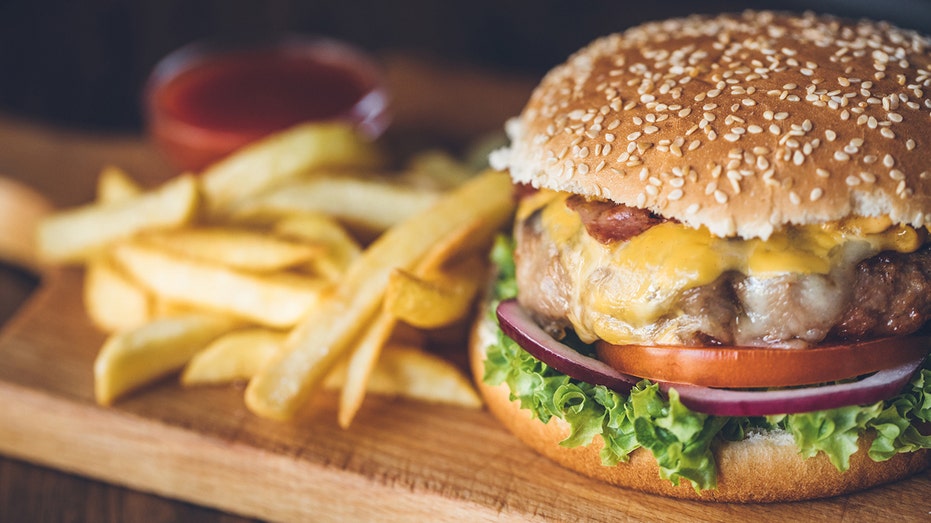
The rise in beef prices has contributed to the rise in the cost of the Fourth of July cookout.(iStock)
Fresh produce also contributed to the rising tab. Strawberries experienced one of the largest proportional price increases, with two pints now costing $5.27, a substantial 12.4% jump from last year. This spike is partly attributed to a damaging frost in Florida earlier in the spring, which severely impacted young plants and reduced anticipated yields. Beyond weather, higher costs for labor, refrigeration, and transportation continue to exert upward pressure on perishable goods, highlighting the fragility of agricultural supply chains to climate events and operational expenses. Lemonade costs also rose 3.9% to $4.54 for 2.5 quarts, primarily due to higher lemon prices, even as sugar prices remained relatively stable, showcasing specific commodity price movements within broader categories.
The largest percentage increase across the entire basket was observed in pork and beans, which surged 13.8% to $3.06 for 32 ounces. The AFBF pointed to elevated aluminum costs as a key factor in this rise, underscoring how industrial commodity prices can filter down to seemingly simple packaged goods. Global demand and energy prices influencing aluminum production have a direct impact on the cost of packaging, a critical input for many food products, and a factor watched closely by manufacturers and investors in the industrial metals sector.
BANK OF AMERICA CARDHOLDERS CAN VISIT 250 MUSEUMS FREE DURING JULY 4 WEEKEND

Ice cream costs have risen over 5% from a year ago.(Getty Images )
Dessert items also saw price hikes, with a pack of chocolate chip cookies rising 6.3% to $4.25 and a half-gallon of ice cream increasing 5.3% to $5.99 year-over-year. These reflect ongoing inflationary pressures on processed foods, including ingredients like dairy, sugar, and flour, as well as packaging and distribution costs, impacting the profitability of major food conglomerates.
In a few bright spots, two items in the basket saw price declines, offering a modicum of relief. Potato salad dropped a significant 17.8% from a year ago to $2.91. This reduction is primarily linked to the recovery of egg-laying flocks from avian flu outbreaks, which had previously driven egg prices sky-high. The increased supply of eggs has allowed prices to normalize, demonstrating the market’s ability to correct when supply constraints ease, and highlighting the elasticity of demand and supply in agricultural markets. Potato prices also contributed to this decline and to a modest 0.8% drop in the cost of a bag of potato chips to $4.76.
Regional variations in cookout costs also present an interesting market dynamic. Americans in the West continue to face the steepest prices, with their average cookout tallying an even $80 this year—a full $6 above the national average. This higher cost often reflects elevated logistics expenses, agricultural land values, and regional labor costs, factors that contribute to higher operating expenses for businesses in these areas. Conversely, the Northeast emerged as the most economical region at $71.35, followed closely by the Midwest at $71.45 and the South at $72.08. These regional disparities highlight localized supply chain efficiencies, competitive retail environments, and varying consumer demand patterns, offering insights for businesses considering market entry or expansion.
GET FOX BUSINESS ON THE GO BY CLICKING HERE
Market Impact
The persistent rise in Fourth of July cookout costs, mirroring broader inflation, carries significant implications for various market segments. For consumers, it translates directly into reduced purchasing power and could lead to shifts in spending habits, potentially favoring cheaper alternatives or driving demand for value brands at grocery retailers. This sustained pressure on household budgets may dampen discretionary spending beyond essential food items, impacting sectors ranging from retail to leisure. For food producers and agricultural companies, the report underscores the volatile input cost environment, from feed and fuel to packaging and labor. Companies unable to pass these costs onto consumers risk margin compression, while those that do may face resistance and volume declines. Investors in food retail, agricultural commodities, and consumer packaged goods should closely monitor these trends, as they provide a micro-level insight into the effectiveness of monetary policy and the resilience of consumer demand amidst inflationary headwinds. Furthermore, the regional cost disparities suggest varying competitive landscapes and operational challenges for businesses operating across different U.S. markets. Should these inflationary pressures continue, particularly in core consumer goods, the Federal Reserve may find increased justification for a more hawkish stance, potentially impacting interest rate expectations, bond yields, and broader market sentiment.