
Key Takeaways
- Structural Supply Bottleneck:Beyond interest rates, a critical and persistent skilled labor shortage in the homebuilding sector is a primary driver of high housing costs, significantly extending construction timelines and directly inflating new home prices.
- Exacerbated Housing Gap:The chronic deficit of construction workers actively impedes the delivery of new housing units, deepening the nation’s existing supply shortfall and maintaining relentless upward pressure on affordability in a market characterized by robust demographic demand.
- Multi-faceted Policy Imperative:Resolving the housing crisis requires a comprehensive strategy addressing both labor supply (through vocational training and immigration reform) and regulatory burdens, signaling potential opportunities and risks for investors across construction, education, and real estate sectors.
Rep. Warren Davidson, R-Ohio, discusses the housing bill and delivering on the SAVE America Act on ‘The Bottom Line.’
While the Federal Reserve’s aggressive interest rate hikes have undeniably cooled demand in some segments of the housing market, placing homeownership further out of reach for many Americans, a more insidious and structural challenge continues to plague the industry: a severe shortage of skilled labor. This issue is not merely a cyclical fluctuation but a deep-seated problem with profound implications for housing supply, affordability, and the broader economic landscape.
Behind the scenes, homebuilders are grappling with a deepening crisis in their workforce, an overlooked constraint that is critically slowing the pace of new construction and directly impeding efforts to close the nation’s widening housing gap. This isn’t just about the cost of borrowing; it’s about the fundamental ability to build.
Builders across the country report that the scarcity of skilled tradespeople — from framers and electricians to plumbers and roofers — is creating a substantial ripple effect throughout the entire housing ecosystem. This bottleneck delays project completions, drives up labor costs, and, crucially, limits the number of new homes entering the market at a time when underlying demographic demand continues to far outstrip available inventory.
BIDEN’S ILLEGAL IMMIGRATION SURGE CAUSED HIGHER RENT AND HOME PRICES, FED STUDY FINDS
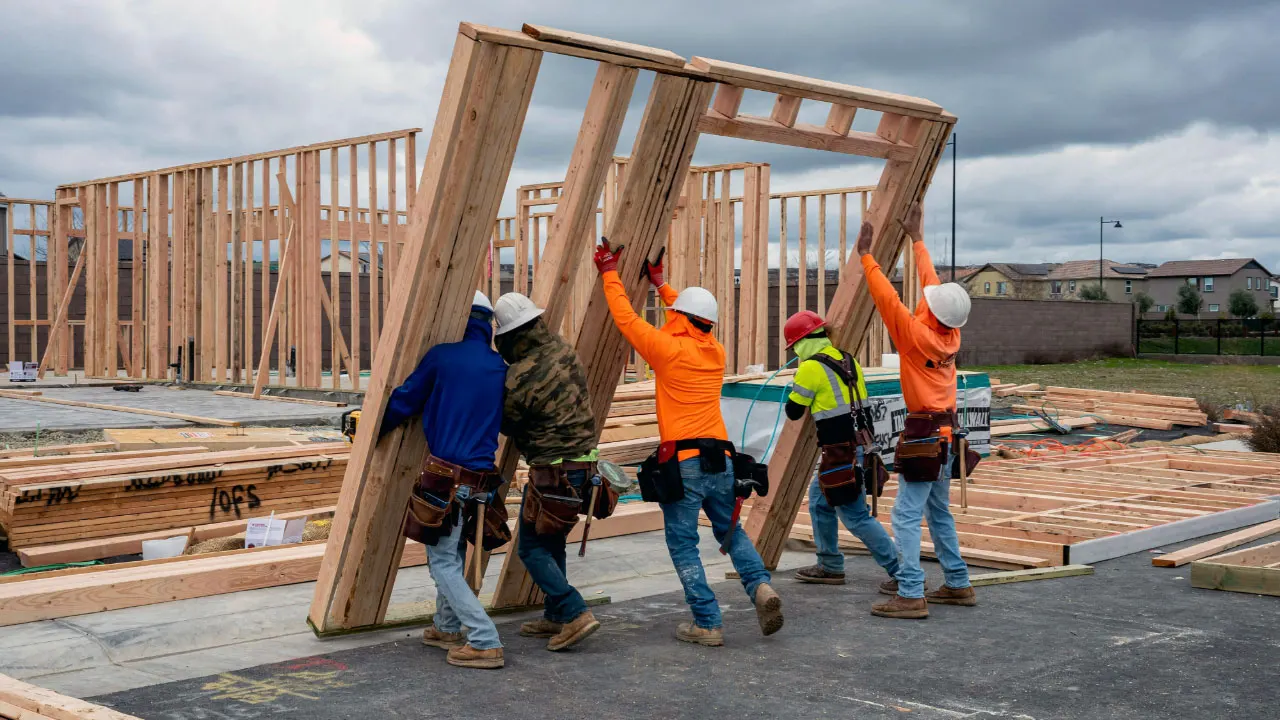
NAHB estimates government regulations add nearly $132,000 to the price of a typical new home.(Matthew Busch/Bloomberg/Getty Images / Getty Images)
“Labor is one of the largest and most expensive inputs when it comes to home production and land development, often representing a significant portion of a builder’s total cost basis,” Jim Tobin, president and CEO of the National Association of Home Builders (NAHB), told Fox News Digital. He emphasized that this isn’t a new or fleeting problem but a persistent drag on the industry’s capacity.
Tobin estimates that, on any given month, the construction industry faces a deficit of approximately 250,000 workers. “It’s been as high as 400,000 jobs short when we were really cooking along a few years ago,” Tobin noted, highlighting the cyclical variability but underlying structural nature of the shortage. This sustained lack of manpower translates directly into higher costs for developers, which are inevitably passed on to homebuyers, thereby contributing to the stubborn inflation seen in housing prices even as mortgage rates climb.
The market implications are stark. With housing starts struggling to meet demand, the existing supply of homes remains tight, propping up prices and exacerbating the affordability crisis. This labor constraint acts as a direct impediment to housing inventory growth, which analysts often cite as the single most critical factor in restoring balance to the housing market.
THE KEY STRATEGY RED STATES ARE USING TO LOWER HOUSING COSTS REVEALED
Housing industry leaders say states that have prioritized homebuilding have been better positioned to accommodate population growth and economic expansion.(David Paul Morris/Bloomberg via Getty Images / Getty Images)
Moreover, the industry’s labor needs are projected to intensify significantly in the coming years. A recent Home Builders Institute (HBI) and National Association of Home Builders report estimates builders will need roughly 723,000 new workers annually to keep pace with demand and help address the nation’s estimated 1.5 million-home housing gap. This isn’t just about filling current vacancies; it’s about building a robust talent pipeline for future growth.
Ed Brady, President and CEO of the Home Builders Institute, underscored the tangible impact of these labor constraints. “This shortage adds nearly two extra months to building timelines, inflating costs and delaying delivery,” Brady told Fox News Digital. From a market perspective, an additional two months of carrying costs for builders, coupled with delayed revenue recognition, squeezes profit margins and can deter new project commencements, further constricting future supply.
Beyond labor, regulatory burdens add another layer of cost. NAHB estimates suggest that government regulations alone contribute nearly $132,000 to the price of a typical new home. When combined with escalating labor costs, these factors create a formidable barrier to entry for potential homebuyers, particularly first-time purchasers already struggling with down payments and rising mortgage rates. The cumulative effect is a housing market that remains stubbornly supply-constrained and expensive, even amidst periods of economic uncertainty.
Builders are clear: replenishing the skilled trades pipeline is only part of the solution. It requires a concerted effort from educational institutions, government bodies, and industry associations to shift perceptions and provide accessible training pathways.
ONE TYPE OF PROPERTY IS QUIETLY SAVING AMERICANS THOUSANDS OF DOLLARS
Tobin highlighted that many construction jobs do not require a four-year college degree and can provide stable, middle-class careers with excellent earning potential. Yet, the home construction industry has struggled for years to attract enough new workers to replace a rapidly retiring cohort of experienced tradespeople. This demographic challenge, combined with a societal emphasis on four-year college degrees over vocational training, has created a structural imbalance that the market is now paying a steep price for.
Addressing this multifaceted crisis will require more than just adjusting monetary policy. It demands a holistic approach encompassing significant investment in vocational training programs, streamlining burdensome regulations at local and state levels (as some “red states” are attempting), and potentially exploring immigration policies that specifically target skilled labor shortages in critical sectors like construction. Without these foundational changes, the housing market will continue to be caught in a vicious cycle of undersupply and unaffordability, regardless of interest rate movements.
GET FOX BUSINESS ON THE GO BY CLICKING HERE

An “Open House” sign in front of a home for sale in the Woodland Hills neighborhood of Los Angeles, California on July 13, 2025. (Eric Thayer/Bloomberg/Getty Images / Getty Images)
Market Impact
The persistent skilled labor shortage in homebuilding represents a significant structural impediment to the housing market’s ability to self-correct. For investors, this translates into continued supply constraints, likely sustaining higher home prices and potentially benefiting existing homeowners and certain real estate sectors, such as land developers with secured, buildable lots. However, it also signifies compressed margins for builders and increased project risks due to extended timelines and unpredictable labor costs, impacting publicly traded homebuilders and construction material suppliers. The inflationary pressure from labor scarcity will continue to feed into the Consumer Price Index (CPI) and Producer Price Index (PPI), complicating the Federal Reserve’s efforts to manage overall inflation. Policymakers face increasing pressure to implement reforms, from vocational education funding to regulatory streamlining, to alleviate this bottleneck. Failure to address the labor crisis effectively will perpetuate housing unaffordability, potentially dampening consumer spending on other goods and services, and acting as a drag on broader economic growth, given housing’s significant contribution to GDP. This issue is not merely a sectoral problem but a macroeconomic challenge with widespread implications for financial markets and household wealth.