
While many top-tier venture firms keep raising massively larger funds, Greylock Ventures, one of the oldest and most prestigious venture firms in Silicon Valley, is intentionally resisting the trend of ballooning fund sizes.
**Key Takeaways**
* **Strategic Restraint:** Greylock Ventures, a Silicon Valley veteran, raised a $1.5 billion Fund 18, a 50% increase from its last fund, but deliberately capped it at a figure significantly lower than what it could have secured, bucking the industry trend of ever-larger funds.
* **Deep Partnership Focus:** The firm prioritizes intensive, early-stage partnerships with a small number of founders, committing to hands-on support and “betting on the person” even before a company is fully formed, rather than simply deploying vast sums of capital.
* **Flexible Approach to Growth:** While predominantly an early-stage investor, Greylock strategically allocates approximately 15% of its new fund to high-potential, later-stage companies, demonstrating a pragmatic willingness to invest in compelling opportunities even if initially missed.
—
Greylock’s Calculated Restraint: Why Silicon Valley’s Veteran VC Pumps the Brakes on Fund Size
In an era where venture capital funds seem to grow exponentially with each new cycle, often chasing ever-larger deal sizes and deploying unprecedented amounts of capital, Greylock Ventures is charting a distinctly different course. One of Silicon Valley’s most storied and prestigious venture firms, Greylock, has announced its 18th fund, a substantial $1.5 billion vehicle. Yet, the true story isn’t just the impressive sum, but the deliberate, strategic restraint behind it – a conscious decision to resist the gravitational pull of ballooning fund sizes that characterizes much of today’s venture landscape.
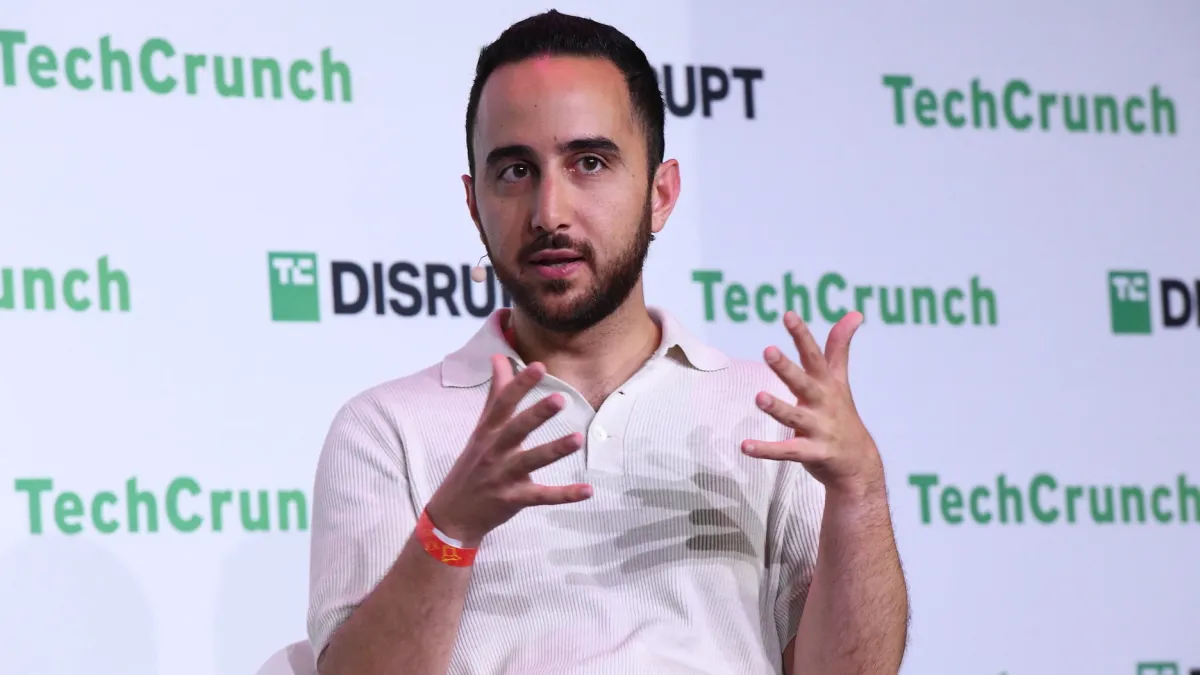
On Tuesday, the 61-year-old institution confirmed the closing of its $1.5 billion Fund 18. This figure represents a healthy 50% increase over its previous $1 billion fund from 2023, and roughly mirrors the combined capital the firm raised across its seed and flagship funds during the pandemic. However, the nuance, and indeed the headline, lies in Greylock’s intentional capping of this fund. Saam Motamedi, a partner at Greylock, revealed to TechCrunch that the firm could have “easily raised a multiple” of that $1.5 billion. This suggests a partnership deeply committed to a particular philosophy, one that values focus and depth over sheer financial firepower.
### The $1.5 Billion Question: Quantity vs. Quality in the Capital Cascade
The venture capital world has, in recent years, seen an escalating arms race of fund sizes. Firms across the spectrum are raising multi-billion-dollar vehicles, driven by the perceived need to write larger checks, compete for hot deals, and follow portfolio companies through increasingly capital-intensive growth stages. Greylock’s decision to pull back, even when facing significant demand from limited partners, is a powerful statement.
Motamedi articulated the firm’s guiding principle: “Our mission is to be the most important partner to the most important entrepreneurs.” This isn’t just a mission statement; it’s the rationale behind their fund size strategy. The argument is simple yet profound: to be “the most important partner,” a firm must offer more than just capital. It must provide unparalleled support, strategic guidance, and invaluable network access. Greylock prides itself on its ability to connect its portfolio companies with top-tier engineers, crucial talent, and potential customers. A prime example is Baseten, an AI infrastructure startup that Greylock first backed in its Series A in 2022 and which is now valued at $13 billion, benefiting directly from Greylock’s ecosystem. This level of personalized, intensive support, Motamedi contends, is only sustainable by keeping the number of companies backed relatively small and manageable.
### The Greylock Model: Deep Engagements, Early Bets, and a Bet on People
Greylock’s operational model reflects this commitment to depth. The firm’s lean team of 10 partners typically makes only one or two new investments each annually. This deliberate pace is projected to result in approximately 25 portfolio companies emerging from this new $1.5 billion fund. This disciplined approach stands in stark contrast to firms that might deploy capital across dozens, if not hundreds, of companies, often leading to a more diluted level of engagement per startup.
The new fund, like its predecessors, will primarily focus on incubating companies from their earliest stages and leading seed and Series A rounds. This is where Greylock has meticulously built its formidable reputation. The firm boasts a strong track record of nurturing companies from nascent ideas to industry giants. Notable successes include the cybersecurity behemoth Palo Alto Networks, which was famously launched inside Greylock’s offices 21 years ago, and the highly successful email security startup Abnormal, which Greylock incubated in 2018 and was last valued at an impressive $5.1 billion. These examples underscore Greylock’s unique ability to identify nascent potential and provide the foundational support needed for explosive growth.
Indeed, Greylock’s commitment to early-stage investing goes beyond mere company analysis. Motamedi highlighted the firm’s distinctive “bet on the person” philosophy. He noted that during their weekly Monday partner meetings to review the investment pipeline, the agenda primarily consists of people’s names rather than company names. “We’re getting to know people even before they start a company. It’s really a bet on the person,” he emphasized, adding, “Often the company doesn’t even exist.'” This deeply personal approach allows Greylock to forge relationships with visionary founders at their earliest conceptual stages, providing a crucial first check and strategic guidance when it matters most.
### Strategic Flexibility: The Late-Stage Exception that Proves the Rule
While Greylock’s identity is firmly rooted in early-stage investing, the firm also demonstrates strategic flexibility. It acknowledges that exceptional opportunities sometimes arise later in a company’s lifecycle. Consequently, Greylock will also back high-potential, later-stage companies, even if it “missed them early on,” as Motamedi put it. The firm’s 17th fund, for instance, included three such growth-stage bets: the AI powerhouse Anthropic, the fintech disruptor Revolut, and the cybersecurity unicorn Wiz.
The investment in Anthropic, particularly, stands out as a testament to this strategic adaptability. Greylock made its initial investment when the AI company raised its Series F at a staggering $183 billion valuation, marking it as “the largest investment in the firm’s history,” according to Motamedi. This significant bet highlights Greylock’s willingness to deploy substantial capital for transformative opportunities, regardless of stage, when the conviction is strong. However, this flexibility is carefully managed. Motamedi estimates that roughly 15% of the new fund will be deployed into these later-stage startups, steadfastly maintaining that Greylock remains fundamentally an early-stage investor. This allocation ensures that the firm can participate in major growth rounds without compromising its core mission or diluting its focus on foundational company building.
### Bottom Line: A Sustainable Model in a Changing Landscape
Greylock’s approach with its new Fund 18 represents a thoughtful counter-narrative to the prevailing trends in venture capital. In a market often characterized by an abundance of capital and a race for deal volume, Greylock is reaffirming its commitment to a more focused, high-touch model. By intentionally capping its fund size and prioritizing deep engagement over sheer financial scale, Greylock aims to maintain its position as a truly impactful partner to entrepreneurs. This strategy suggests a belief that sustainable returns and lasting influence are built not just on the size of the check, but on the depth of the partnership, the quality of the support, and the conviction in the people behind the ideas. In an increasingly complex and competitive landscape, Greylock’s strategic restraint might just be its most powerful asset, signaling a focus on long-term value creation rather than short-term capital deployment.
When you purchase through links in our articles, we may earn a small commission. This doesn’t affect our editorial independence.
{content}
Source:{feed_title}